
Pathogen drug permeability
- Submission status
- Open
- Submission deadline
 This Collection supports and amplifies research related to SDG 3.
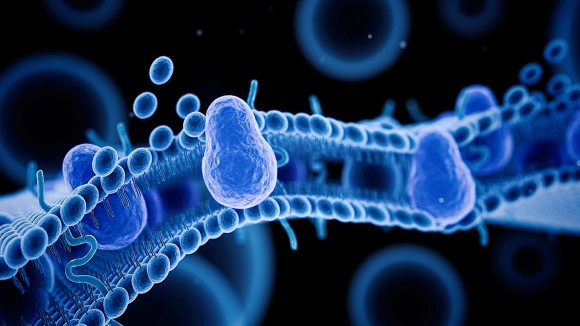
Antimicrobial target sites are frequently intracellular. To effectively inhibit microbial growth, these compounds must pass across cell envelope barriers. At minimum, cell envelopes consist of a hydrophobic lipid bilayer, but they typically include multiple physically and chemically distinct layers that must be traversed by inbound antimicrobials. Various layers in cell envelopes also include transporters, carriers, and enzymes that may each affect the transit of antimicrobials.
To advance the development of new antimicrobials, there is a significant need to understand cell envelopes as barriers to the movement of small molecules, and to determine the types of molecules that can pass across these barriers and stay inside cells. This collection aims to publish the latest advances in this field for all microbial pathogens.
The diverse topics that will be covered include:
- Bacterial, fungal and protozoal cell envelope barriers
- Pathways for the uptake of existing antimicrobials
- The activities of efflux pumps in preventing small molecule uptake
- Development of new antimicrobials that can effectively penetrate cell envelopes
- Drivers for small molecule uptake
- Small molecule penetration through extracellular layers and biofilms
Editors
-
Karl Hassan, PhD
The University of Newcastle, Australia
-
Georgina Cox, PhD
The University of Guelph, Canada
