
Post-Traumatic Parkinsonism: Bridging Neurotrauma and Neurodegeneration
- Submission status
- Open
- Submission deadline
 This Collection supports and amplifies research related to SDG 3: Good Health & Wellbeing.
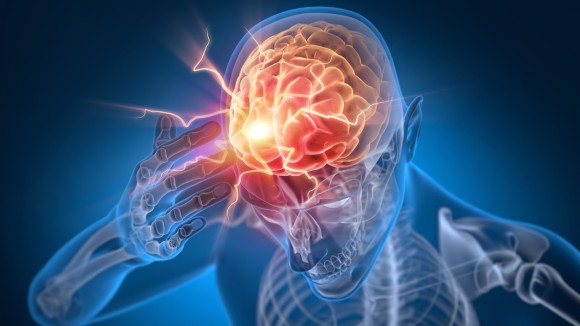
This npj Parkinson’s Disease Collection invites submissions advancing our understanding of Post-Traumatic Parkinsonism (PTP), the spectrum of Parkinsonian syndromes emerging after traumatic brain injury (TBI). Despite growing epidemiological and experimental evidence linking head trauma to dopaminergic degeneration, the underlying mechanisms, risk modifiers, and clinical trajectories remain unresolved. We welcome original research, reviews, and perspectives addressing molecular and cellular pathways of trauma-induced α-synuclein pathology, neuroinflammation, mitochondrial dysfunction, and circuit disruption, as well as clinical, imaging, and biomarker studies that distinguish PTP from idiopathic Parkinson’s disease (PD) and other secondary parkinsonism. By integrating insights across disciplines, from biomechanics to systems neuroscience, this Collection aims to define mechanistic links between neurotrauma and Parkinsonian neurodegeneration and to highlight emerging therapeutic and preventive strategies for at-risk populations.
For more than half a century, traumatic brain injury has been recognized as a potential precipitant of Parkinsonian symptoms, yet its mechanistic relationship to idiopathic PD remains poorly defined. Post-traumatic Parkinsonism is increasingly acknowledged as a distinct or accelerated form of parkinsonism that can manifest months to years after injury. With the global incidence of TBI exceeding ten million new cases annually, even a modest causal relationship carries significant public-health implications.
The goal of this Collection is to consolidate and advance understanding of how biomechanical, inflammatory, and proteostatic cascades triggered by head trauma converge on dopaminergic vulnerability. We encourage contributions spanning clinical epidemiology, neuropathology, molecular neuroscience, and translational modeling to illuminate the continuum between acute neurotrauma and chronic neurodegeneration.
Key themes and priorities include:
- Epidemiology and risk quantification: Large-scale population or cohort studies defining dose–response relationships between mild, moderate, and repetitive TBI and later Parkinsonian outcomes, including contributions from sports, military, and occupational exposures.
- Molecular and cellular mechanisms: Investigations into how mechanical strain, calcium dysregulation, mitochondrial injury, oxidative stress, and axonal transport failure initiate α-synuclein aggregation, and neuroinflammatory signaling.
- Circuit and connectome consequences: Neuroimaging, electrophysiology, and connectome studies mapping trauma-induced alterations in nigrostriatal and cortico-basal-ganglia networks that underlie motor and non-motor phenotypes.
- Pathology and biomarker development: Neuropathological, molecular, and fluid-biomarker signatures that differentiate PTP from idiopathic PD, chronic traumatic encephalopathy, or vascular parkinsonism.
- Therapeutic and rehabilitative strategies: Preclinical and clinical approaches aimed at interrupting trauma-induced α-synuclein propagation, enhancing dopaminergic resilience, modulating neuroinflammation, or improving long-term recovery.
Emerging evidence points to shared pathways linking trauma-induced and idiopathic Parkinsonian degeneration, including glial activation, neuroimmune signaling, and systemic metabolic stress. These processes may amplify α-synuclein misfolding, impair neurovascular integrity, and reduce dopaminergic resilience. Defining how such trauma-specific mechanisms interact with established PD pathways will be essential for early detection and intervention. Clinically, improved biomarkers, whether based on diffuse axonal injury patterns, cerebrospinal protein signatures, or peripheral inflammatory profiles, could enable earlier diagnosis and refine neuroprotective trial design by identifying patients in whom injury-related pathways are dominant and potentially modifiable.
Therapeutic innovation remains urgently needed. Emerging strategies, including anti-inflammatory agents, mitochondrial stabilizers, extracellular vesicle–based interventions, and neuromodulation, show early promise in mitigating post-traumatic neurodegeneration. Complementary rehabilitative approaches that combine physical therapy, cognitive training, and restoration of sleep–circadian rhythms may further enhance long-term recovery. The Collection therefore welcomes mechanistic, translational, and interventional studies that move beyond correlation to identify actionable therapeutic and preventive targets for individuals already living with or at risk for PTP.
Beyond clinical impact, the PTP framework provides a powerful model for probing brain resilience and repair. Traumatic brain injury constitutes a natural experiment in which neurodegenerative cascades are initiated at a known time point, enabling longitudinal tracking of molecular, synaptic, and network adaptations otherwise inaccessible in sporadic PD. Insights from these models can inform causal mechanisms, disease staging, and intervention timing across multiple neurodegenerative disorders, positioning PTP research at the frontier between acute injury science and chronic neurodegeneration.
Ultimately, this Collection aims to establish npj Parkinson’s Disease as a central forum for advancing the emerging field of post-traumatic neurodegeneration. By assembling cutting-edge work across epidemiology, basic neuroscience, and clinical translation, the Collection will define current knowledge, highlight methodological gaps, and inspire collaborative research that unites trauma biology with Parkinson’s disease.
Editors
-
Oliver Rawashdeh, MSc, PhD
The University of Queensland, Australia
-
Jana Vukovic, PhD
The University of Queensland, Australia
Oliver Rawashdeh, MSc, PhD, The University of Queensland, Australia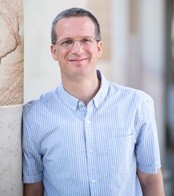
Dr Oliver Rawashdeh is an internationally recognised leader in chronobiology and sleep neuroscience whose work has helped define how biological timing influences brain function, memory, and neurodegeneration. He heads the Chronobiology and Sleep Laboratory at The University of Queensland (UQ) and serves as President of the Australasian Chronobiology Society. He is also an Associate Editor for npj Parkinson’s Disease. A central focus of his laboratory is understanding how circadian and sleep disruption accelerate molecular and circuit-level vulnerability in Parkinson’s disease, with the aim of developing timing-based therapeutic strategies that improve resilience and treatment response. Dr Rawashdeh is known for discovering a melatonin-dependent mechanism of memory consolidation, published in Science, and for creating CircaCompare, a widely adopted analytical tool for comparing rhythmic biological data. His research integrates molecular, systems, and behavioural neuroscience across invertebrates, rodent, primate, and human models. Before joining UQ, Dr Rawashdeh held research appointments in the United States and Germany, where he investigated how circadian signalling shapes neurodevelopment, ageing, and cognitive function. At UQ, he leads multidisciplinary collaborations that apply computational, electrophysiological, imaging, and behavioural approaches to map how circadian–sleep interactions contribute to PD pathophysiology and symptom progression. As President of the Australasian Chronobiology Society, Dr Rawashdeh champions research training and community-building initiatives that support early-career researchers and foster translation of circadian science into clinical practice. He is also an advocate for public awareness of circadian health, emphasising that alignment with our internal biological clocks is essential for long-term wellbeing and disease prevention. Dr Oliver Rawashdeh is an Associate Editor of npj Parkinson's Disease.
Jana Vukovic, PHD, The University of Queensland, Australia
Professor Jana Vukovic is a neuroscientist at the Queensland Brain Institute, The University of Queensland, where she leads the Neuroimmunology and Cognition team. She obtained her PhD in 2008 from The University of Western Australia, where she studied the repair of injured neuronal connections. Following her doctoral training, she joined the Queensland Brain Institute in 2009 to investigate the role of adult neurogenesis in behaviour and how microglia influence this process during ageing. Prof Vukovic now heads a multidisciplinary team of postdoctoral researchers and students exploring how the immune system shapes brain function in health and disease. Her laboratory focuses on microglia, the brain’s resident immune cells, and peripheral immune cells, examining their impact on learning and memory and how these processes are disrupted following brain injury, stroke, infection, cancer treatment and ageing. She is particularly interested in understanding how traumatic brain injury can initiate pathological cascades that increase vulnerability to Parkinsonian syndromes. By linking cellular and molecular mechanisms to behavioural outcomes, her research aims to harness the brain’s intrinsic regenerative potential to restore cognition. She has received numerous competitive fellowships including the prestigious Viertel Senior Medical Fellowship and holds a joint appointment with the School of Biomedical Sciences (Faculty of Medicine). Prof Vukovic is an Associate Member of the Australian Academy of Health and Medical Sciences and serves on the IBRO Australasian Committee. Her work has been published in leading neuroscience journals and has informed global research on neuroimmune interactions and brain repair. She is widely recognised internationally, frequently invited to speak at major conferences and contribute to global initiatives shaping the future of neuroscience. Prof Vukovic is passionate about advancing fundamental discoveries into strategies that improve cognitive health across the lifespan.
