
Cascading Hazards in Deglaciating Environments
- Submission status
- Open

This Collection supports and amplifies research related to SDG 6 - Clean Water and Sanitaion; SDG 13 - Climate Action
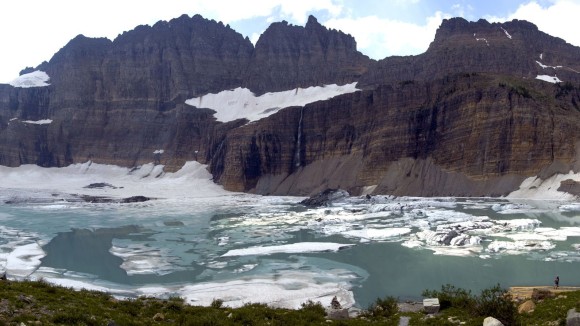
Climate change is rapidly transforming cold regions. Rising temperatures are resulting in the melting of glaciers in high-altitude mountains and the Arctic and Antarctic zones, thereby exposing new, unstable slopes and enlarging glacial lakes. Mass movements in these cold regions are particularly prone to initiate cascading hazards, more so than their counterparts in other parts of the globe. For instance, landslides may trigger glacial lake outburst floods. The slopes of deglaciating mountains are increasingly vulnerable to the changing climate, as rising temperatures compromise slope stability by melting internal ice. Additionally, the shifting patterns of precipitation, both in intensity and form (rain/snow), further complicate the role of temperature in these dynamics.
This Collection welcomes Original Research articles as well as Reviews, Perspectives, and Comments to address the following specific areas of focus that include, but are not limited to:
- Development of novel methods for detecting precursors to these natural hazards and improving predictive capabilities
- Enriching our understanding of the processes and impacts of these natural hazards
- Examining the effects of climate change on terrestrial surface processes that may lead to such hazard chains
Editors
-
Wentao Yang, PhD
Beijing Forestry University, China


