
About the Editors
Editor-in-Chief
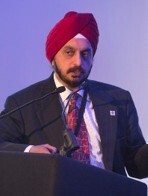
Harminder Singh Dua, CBE, CMLJ, DL, MBBS, DO, DO (London), MS, MNAMS, FRCS (Edinburgh), FEBO, FRCOphth, FRCP (Edinburgh, Hon.), FCOptom (Hon.), FRCOphth (Hon.), FAICO (India, Hon.), MD, PhD,University of Nottingham and Nottingham University Hospitals NHS Trust
Associate Editors
Winfried Amoaku, FRCSEd, FRCOphth, PhD, AFHEA, Nottingham University Hospitals NHS Trust; University of Nottingham, UK
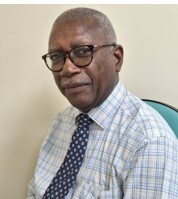 Winfried Amoaku is an Associate Professor/Reader in Ophthalmology and Visual Sciences, University of Nottingham, and Honorary Consultant Ophthalmologist at Queen’s Medical Centre, Nottingham University Hospitals Trust. His subspecialty interest is medical retina diseases and uveitis. His research complements his clinical practice, and focuses on the occurrence, pathogenesis and treatments of age-related macular degeneration (AMD) diabetic retinopathy, and other retinal vascular diseases. He has a range of national and international research collaborations and has published several manuscripts in learned journals.
He has led the undergraduate teaching of Ophthalmology in University of Nottingham Medical School since 1994. He chaired the Specials Teaching Committee (2014 - date) and the Clinical Phase 2 Committee (2018-2023). He serves as a GMC Associate (Appeals).
He has advised on previous Health Technology Assessments in retinal diseases and worked with NICE on several projects. He has also served on ad hoc Advisory Boards of different pharmaceutical companies on different aspects of AMD, diabetic retinopathy and macular oedema, non-infectious uveitis, and retinal vein occlusions.
He has served on the Editorial Boards of a few learned Ophthalmology journals, including Associate Editor for Eye, and BMC Ophthalmology. He is Chief Editor for Frontiers in Ophthalmology Retina from its inception. He is a member of the Editorial Board of MDPI International Journal of Translational Medicine (IJTM): 2019-date.
Winfried is the Editor in Chief of Eye’s cascade journal Eye Open.
He also is Scientific Reviewer for several other learned international journals.
He previously served The Royal College of Ophthalmologists (RCOphth) in different positions, including Senior Examiner for the Undergraduate Duke-Elder Examinations Committee, Examiner in different diets of MRCOphth/FRCOphth examinations, Member of Council, Executive Committee, Training, Education, Professional Standards and Finance Committees, Chair of the Medical Retina Service Provisions Subcommittee (2006-11), Vice-President and Chair of the Scientific Committee (2007-11), and President (2010 -11). He has contributed to several College guidelines.
He also served as Vice-President (2010-2011; 2013-14), and President (2011-2012; 2014-16) of the Convention for Biomedical Research Ghana (CoBReG).
Tin Aung - Singapore National Eye Centre, Singapore
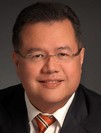 MBBS (Singapore), FRCS(Ed), FRCOphth (UK), MMed (Ophth) (Singapore), FAM (Singapore), PhD (London)
Professor Aung is currently:
1. Executive Director, Singapore Eye Research Institute;
2. Deputy Medical Director (Research) and Head, Glaucoma Department, Singapore National Eye Centre;
3. Professor, Department of Ophthalmology, Yong Loo Lin School of Medicine, National University of Singapore
Professor Aung is a clinician scientist, with clinical practice focusing on glaucoma and research interests in angle closure glaucoma and glaucoma genetics. With >450 publications, Professor Aung has been awarded >US$20 million in competitive research grant funding. He has received numerous awards including the Singapore Translational Research (STaR) Investigator Award in 2014, the Singapore National Medical Research Council-Clinician Scientist Awards in 2005 and 2008, the President's Science Award in 2009, the Nakajima (2007) and De Campo Awards (2013) from the Asia Pacific Academy of Ophthalmology and the Alcon Research Institute Award in 2013.
Professor Aung is a member of the Editorial Boards of Ophthalmology, Journal of Glaucoma, Eye, Graefe's Archive for Clinical and Experimental Ophthalmology, and 6 other journals. He is currently President of the World Glaucoma Association and also serves as a Board member of the Asia-Pacific Glaucoma Society and the Asian Angle Closure Glaucoma Club.
Christopher Brand, MBChB, FRCOphth, Sheffield Teaching Hospitals NHS Foundation Trust, UK
Tiarnan Keenan, BM BCh, MA, MSc, PhD, FRCOphth, National Eye Institute, National Institutes of Health, USA
 Tiarnan Keenan is a Staff Clinician at the National Eye Institute, National Institutes of Health (Bethesda, Maryland, USA). He is a clinician-scientist; as a Medical Retina specialist, his clinical practice includes a wide variety of common and complex retinal diseases. His research is focused primarily on age-related macular degeneration from a wide variety of disciplines: epidemiology, genetics, biochemistry, clinical research and deep learning.
Following medical training as a scholar at the University of Oxford, he undertook NIHR integrated clinical and academic training in the UK, predominantly at the Manchester Royal Eye Hospital and the Oxford Eye Hospital. He was awarded a PhD at the University of Manchester for laboratory research using human macular tissue to investigate the pathogenesis of age-related macular degeneration. This was followed by post-doctorate research on age-related macular degeneration as a Fulbright Scholar with Professor Gregory Hageman (Moran Eye Center, USA) and fellowship training at the National Eye Institute with Professor Emily Chew. In 2018, he was appointed Staff Clinician in the Division of Epidemiology and Clinical Applications at the National Eye Institute, where his research is funded by the Intramural Research Program.
Haoyu Chen,BMed, MMed, MD, Joint Shantou International Eye Center (JSIEC) of Shantou University & the Chinese University of Hong Kong, China
 Haoyu Chen is a professor and consultant at JSIEC of Shantou University and the Chinese University of Hong Kong. He completed his medical school at Sun Yat-sen University, and received Master and Doctor degree at Zhongshan Ophthalmic Center. He was a postdoctoral fellow at Moran Eye Center, University of Utah. Prof. Chen is a physician-scientist in the field of retina and ocular trauma. He has published 210 original articles, 9 reviews, and 16 book chapters. His H-index is 42 (Google Scholar). A keen teacher, Prof Chen supervises undergraduate teaching, postgraduate programs and resident training. He has supervised >50 postgraduate students in ophthalmology. He also developed the first Ophthalmology MOOC. Prof. Chen received APAO Achievement Award, Outstanding Ophthalmologist Award from the Chinese Ophthalmologist Association, and Publons Peer Review Awards (the top 1% of reviewers worldwide).
Ahmet Kaan Gunduz - University of Ankara, Ankara, Turkey
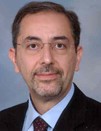 Ahmet Kaan Gündüz is currently Professor of Ophthalmology at Ankara University Faculty of Medicine, Ankara, Turkey. Dr Gündüz is Director of the Ocular Oncology Service at this institution. After obtaining his MD degree from Hacettepe University Faculty of Medicine, Ankara, Turkey in 1988, Dr Gündüz completed his residency at Ankara University Faculty of Medicine, Ankara, Turkey between 1998-1993. He did a two-year ocular oncology fellowship at Wills Eye Hospital, Philadelphia, PA, USA during 1996-1998 under the mentorship of Drs. Jerry and Carol Shields. Dr Gündüz attended an a two-week phacoemulsification training program in Nagpur, India in 1994 supervised by Dr Vikas Mahatme and peers. He completed a one-year clinical vitreous retina surgery fellowship at Mayo Clinic, Rochester, MN, USA during 1996-1997. His mentors at this institution were Dr Jose Pulido, Dr Colin McCannel, and Dr Sophie Bakri. Dr Gündüz published 140 papers in indexed journals and wrote or co-authored several book chapters and monographs. His main interests include eyelid, conjunctival, intraocular tumors, orbital diseases and surgery, vitreoretinal diseases and surgery, uveitis, and cataract surgery. Dr Gündüz serves as a section editor in the journal Eye, Middle-East African Journal of Ophthalmology and is an editorial board member in 2 other journals including Expert Review of Ophthalmology and International Journal of Biomedical Sciences. He is a member of the Turkish Ophthalmological Society, International Society of Ocular Oncology, and American Academy of Ophthalmology. Dr Gündüz is married and has one daughter. Personal website: www.kaangunduz.com.tr.
Heinrich Heimann, MD, FRCOphth, Royal Liverpool University Hospital, UK
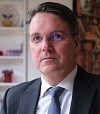 Heinrich Heimann is a Consultant Ophthalmic Surgeon at the Royal Liverpool University Hospital. He completed his Ophthalmology training at the University Hospital Benjamin Franklin of the Free University in Berlin, Germany, in 1998. Since 2005, he holds a Consultant post at St Paul´s Eye Unit at the Royal Liverpool University Hospital with the subspecialties Surgical and Medical Retina and Ocular Oncology. In 2013, Mr Heimann took over as the Clinical Lead of the Liverpool Ocular Oncology Unit, one of the four Highly Specialised NHS Services for Adult Ocular Oncology in the UK.
Following a MD in corneal surgery in 1995, Mr Heimann completed the German Habilitation degree coordinating a prospective multicentre study on retinal detachment surgery in 2006; he was awarded the title of a Clinical Professor at the Free University Berlin in 2010, and then became Honorary Professor at the Liverpool University in 2015. Heinrich Heimann worked as an elected Executive Board Member of the German Retina society between 2008-16. He currently is an Associate Editor of “Ophthalmologica” and the “Journal of Vitreoretinal Diseases”.
Mr Heimann has published more than 160 publications in peer-reviewed journals, mostly in the subspecialties of Vitreoretinal Surgery and Ocular Oncology. He has written more than 40 book chapters and co-edited five books on retinal imaging and vitreoretinal surgery.
Parwez Hossain - Southampton University, Southampton, UK
 Parwez Hossain is King James IV Professor of Surgery (Royal College of Surgeons, Edinburgh) and Associate Professor in Ophthalmology at the University of Southampton. He qualified in Medicine from Aberdeen University and trained in Ophthalmology in Aberdeen, Nottingham, Leicester & Bascom Palmer Eye Institute, Miami, USA. He sub-specializes in Cornea & External Eye Disease, and is head of the corneal service for the Southampton Eye Unit, Southampton University Hospital NHS Foundation Trust, takes care of a diverse range of corneal diseases with patients coming from different regions of the UK.
Parwez's clinician-scientist career started as Wellcome Trust Fellow at Aberdeen University where he studied the mechanisms of lymphocyte traffic in ocular inflammation. In his PhD thesis, he established a novel method for in vivo tracking of immune cells in the posterior segment of the eye. The technique allowed the observation of lymphocytes and inflamed vascular endothelium, in real-time. Following his PhD, Parwez moved to Nottingham University, where, as a Clinical Lecturer, his interest focused on investigating the innate immune mechanisms in corneal inflammation. He determined that the immune adhesion molecule CD34 is a unique marker for human corneal stromal keratocytes (corneal fibroblast) activation. Whilst at Nottingham, he also helped to establish the effectiveness of a new surgical technique called 'Fine Needle Diathermy' to treat long standing corneal vascularization. This treatment helps against chronic corneal vascularization and can restore vision in patients with vascularisation from herpes keratitis or chronic corneal graft rejection. Parwez also developed techniques in corneal confocal imaging and his work has highlighted the benefit of this in the early detection of diabetic peripheral neuropathy (published in The Lancet).
After his fellowship training period, Parwez moved to Southampton, to start a research programme in corneal infection. In his current role, he leads a corneal infection research group comprising a post-doctoral fellow, PhD & undergraduate research students. His research focus is to develop new diagnostic techniques for the rapid diagnosis and monitoring of corneal infections. His group have developed technologies such as anterior segment OCT & microfluidic impedance cytometry to allow rapid microbial diagnostic detection/monitoring. With collaboration with his surgical colleagues in Southampton, Parwez has developed an active surgical research programme with the aim to develop optimal surgical methods for corneal diseases. Developing method such as ultrathin DSEK and accelerated protocols for collagen cross-linking for Keratoconus. His surgical team are part of the UK Collagen Cross-linking Consortium and are major providers for collagen crosslinking therapy for the South Coast of the UK. In 2018, Parwez was awarded King James IV Professor in Surgery by The Royal College of Surgeons, Edinburgh for his sustained research in the development of real-time diagnostic methods/devices in Ophthalmology.
His work has been supported by research grants from the Royal College of Surgeons of Edinburgh, the British Council for the Prevention for Blindness, National Eye Research Centre, Engineering & Physicals Sciences Research Council (UK) and Medical Research Council (UK).
Anthony Khawaja, MA(Cantab), MBBS, PhD, FRCOphth, Moorfields Eye Hospital NHS Foundation Trust; University College London, UK
 Anthony Khawaja is Associate Professor at the UCL Institute of Ophthalmology and Honorary Consultant Ophthalmic Surgeon at Moorfields Eye Hospital, London. He is currently a UK Research & Innovation Future Leaders Fellow. Anthony completed his medical training at the University of Cambridge and University College London and has undertaken the majority of his ophthalmic residency training at Moorfields Eye Hospital. His research training began with a Wellcome Trust funded PhD programme at the University of Cambridge, including a Masters in Epidemiology for which he won the Nick Day Prize. He was also awarded the Berkeley Fellowship which supported a research period at Harvard Medical School.
Anthony’s research interests concern the genetic and environmental epidemiology of glaucoma, and learning about disease pathogenesis and optimal care pathways by probing routinely collected data. His ultimate aim is to develop clinical tools to personalise screening and treatment of glaucoma. Anthony is an active member of international multidisciplinary consortia for eye diseases, including the International Glaucoma Genetics Consortium and the European Eye Epidemiology consortium. Anthony established the Young Ophthalmologists section of the European Society of Ophthalmology and is director for the European Leadership Development Programme. He was recently voted in The Ophthalmologist's top 100 most influential thought leaders in ophthalmology globally. Anthony is chair of the Royal College of Ophthalmologists Informatics sub-committee.
Timothy Lai, MD, FRCOphth, FRCS, The Chinese University of Hong Kong, Hong Kong, China
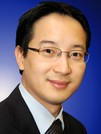 Dr Lai is an Honorary Clinical Associate Professor of the Department of Ophthalmology & Visual Sciences, The Chinese University of Hong Kong, and Director of 2010 Retina and Macula Centre, Hong Kong. His clinical and research interests lie in the medical and surgical management of retinal diseases, particularly polypoidal choroidal vasculopathy, choroidal neovascularization, central serous chorioretinopathy, myopic maculopathy, diabetic retinopathy; visual electrophysiology; and genetics of retinal diseases and uveitis. He has extensive experience in the conduct of clinical trials and is the principle investigator of over 15 industry-sponsored Phase II, III and IV clinical trials.
As one of the leading experts in vitreo-retinal diseases in the Asia-Pacific region, Dr Lai has published more than 180 papers in international peer-reviewed journals and co-authored and edited 10 textbooks. He has also delivered over 120 invited lectures worldwide and has received a number of
Andrew Lee, MD, Blanton Eye Institute, Houston Methodist Hospital; Weill Cornell Medicine, USA
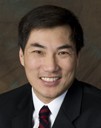 Andrew G Lee, M.D. is an honors graduate of the University of Virginia undergraduate school and an Alpha Omega Alpha graduate of the UVA School of Medicine. He completed his ophthalmology residency and was the chief resident at Baylor College of Medicine in Houston, Texas in 1993. Following eye residency, Dr Lee completed a clinical fellowship in neuro-ophthalmology with Neil R. Miller MD at the Wilmer Eye Institute and was a post-doctoral Fight for Sight research fellow at the Johns Hopkins Hospital in Baltimore, Maryland from 1993-1994. He was an Associate Professor at Baylor College of Medicine and Adjunct Associate Professor at the M.D. Anderson Cancer Center in Houston from 1994-2000. From 2000-2008, Dr Lee was Professor of Ophthalmology, Neurology, and Neurosurgery in the H. Stanley Thompson Neuro-ophthalmology Clinic at the University of Iowa Hospitals and Clinics. In April 2009 Dr Lee assumed the chairmanship of ophthalmology at The Blanton Eye Institute, at Houston Methodist Hospital in Texas and was appointed Professor of Ophthalmology, Neurological Surgery and Neurology at Weill Cornell Medical College.
Dr Lee has published over 260 peer-reviewed articles, 40 book chapters, and three full textbooks in ophthalmology. He serves on the Editorial Board of 12 journals including the American Journal of Ophthalmology, the Canadian Journal of Ophthalmology, and Eye. He has received the American Academy of Ophthalmology (AAO) Honor Award, the AAO Secretariat Award, and the AAO Senior Achievement Award. Dr Lee has been the invited guest speaker at over 140 national and international eye meetings.
Dr Lee’s area of research interest is in optic nerve disease. He was the Director of New Educational Initiatives in the Graduate Medical Education (GME) office at Iowa and has published extensively in the area of resident graduate medical education. In April 2009 Dr Lee assumed the chairmanship of ophthalmology at The Methodist Hospital in Houston, Texas and was appointed Professor of Ophthalmology, Neurological Surgery and Neurology at Weill Cornell Medical College.
Caroline MacEwen, MD, FRCS, FRCOphth, University of Dundee, UK
 Caroline (Carrie) MacEwen is a Consultant Ophthalmologist at Ninewells Hospital and Medical School and Head of the Ophthalmology Department at the University of Dundee (Honorary Professor). She trained in Glasgow, Dundee and London. Her clinical interests lie in the field of strabismus and ocular motility after carrying out her subspecialty training at Moorfields Eye Hospital under the guidance of John Lee. Research interests include paediatric naso -lacrimal disease, trauma, sports medicine, epidemiology and clinical research on strabismus management. She has been a member of the British Ophthalmic Surveillance Unit (BOSU) committee since its inception. International and national awards for her work include the Gregg medal for ‘contribution to medical science’, the Founder's Cup, Ian Fraser trophy, Spencer Walker prize and Foulds' trophy. She has published more than 150 papers, written or edited 3 textbooks and written 17 book chapters. Carrie is an associate postgraduate Dean in the East of Scotland.
She is Chair of the Academy of Medical Royal Colleges (2017–2020) and was President of the Royal College of Ophthalmologists (2014 – 2017). She represented the RCOphth in the development of the Faculty of Sport and Exercise Medicine (FSEM)
She is ophthalmology clinical co-lead for the Getting It Right First Time (GIRFT) project, was a member of the Right Care Clinical Improvement Group and chaired the Elective Care Transformation Ophthalmology Working Group.
She is Ophthalmology Specialty Adviser to the Scottish Government and leads the National Ophthalmology Workstream in Scotland and is a member of the National Access Collaborative. Professor MacEwen chaired the Scottish update of Certification of Vision Impairment and was a member of the UKCVI development board, the UK Vision Strategy Leadership Group and Transition Programme Board.
Carrie has worked nationally with all eye health care professionals to share and develop new ways of delivering ophthalmic care and has delivered a framework to support this. She has been made an honorary fellow of the College of Optometrists and the British and Irish Orthoptic Society, the Faculty of Sport and Exercise Medicine and the Royal College of Physicians, Edinburgh
Jonathan H Norris, MBChB, FRCOphth, MSc (Oxon), Oxford Eye Hospital, John Radcliffe Hospital, Oxford, UK
Mr Jonathan Norris is the Lead Consultant for Oculoplastic and Orbital surgery based at the Oxford Eye Hospital (UK), where he is also the Departmental Clinical Lead. He graduated in 2000 from Leeds University, where he won the Tomlin Prize in Ophthalmology and the Newham Prize in Physiology as an undergraduate. He is a current member of the British Oculoplastic Surgery Society (BOPSS) and previously sat on the BOPSS Executive Committee. In 2012, Mr Norris was awarded one of ten national Fellowships with the National Institute of Health and Clinical Excellence (NICE). In 2017, he completed an MSc in Surgical Science and Practice at The University of Oxford, passing with distinction, during which time he was awarded a Department for Continuing Education Scholarship. He is an Honorary Senior Clinical Lecturer in Ophthalmology at The University of Oxford and was appointed Training Programme Director for the Thames Valley Deanery in 2020. Mr Norris has published over 80 peer-reviewed papers, the majority of which are in the oculoplastic field.
Saaeha Rauz - University of Birmingham, Birmingham and Midland Eye Centre, Birmingham, UK
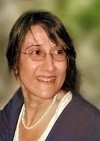 Dr Rauz is a clinical academic who has a specialist interest in complex, blinding immune-mediated ocular surface diseases at the University of Birmingham (UK) and the Birmingham & Midland Eye Centre, Birmingham (UK). She has an expertise in rare progressive conjunctival scarring disorders such as mucous membrane pemphigoid and Stevens-Johnson Syndrome / Toxic Epidermal Necrolysis together with secondary causes of inflammatory dry eye disease including Primary Sjögren’s Syndrome and Atopic Keratoconjunctivitis.
A Bedside-to-Bench-to-Bedside approach underpins her research portfolio, with patients pivotal for informing research directions. Key areas of research include (i) evaluating drivers of ocular surface inflammation and scarring, (ii) monitoring and measuring outcomes and (iii) translating technologies that modify biological processes.
The ultimate aim of her clinical and research portfolio is to improve disabling signs and symptoms that impact upon patient wellbeing and quality of life.
Federico Ricci, MD, University of Rome Tor Vergata, Italy
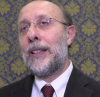 Federico Ricci is Associate Professor in Ophthalmology at the University of Tor Vergata of Rome (Italy), Department of Experimental Medicine. He received his Medicine degree from University la Sapienza of Rome and trained in Ophthalmology from the same University. He is the past president of Italian Retina Society and is an active member of the Italian Ophthalmological Society executive board. He is a member of CNIT (National Inter-University Consortium for Telecommunications) and is involved in projects of telemedicine and AI applications in Ophthalmology. Since 2006 he has been an “expert consultant” for AIFA (Italian Medicines Agency). Professor Ricci is the Director of "Retina Diseases Unit" at PTV Foundation Hospital of Rome. The Unit is a Regional Referral Centre and Clinical Trial Centre for AMD and blinding retinal diseases. His basic science and clinical and research interests are focused on angiogenesis in eye diseases and on management of degenerative and inherited retinal diseases. He has extensive experience in registration clinical trials and, since 2008, has been the principal investigator of over 40 trials.
Dalia G Said, MB BCh, MSc, MD, FRCS, FRCOphth, PgDip, CertLRS, Nottingham University Hospitals NHS Trust, Nottingham, UK

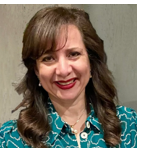
Mrs Said is a consultant ophthalmologist and undergraduate medical education lead at the Queens Medical Centre, Nottingham University Hospitals, NHS Trust, with special interest in cornea, ocular surface diseases and emergency eye care.
She is an Honorary Clinical Associate Professor in the University of Nottingham and involved in student teaching and medical school examinations.
She completed her residency and specialist training at the Research Institute of Ophthalmology, Cairo, Egypt and served as a clinical and research fellow in cornea and ocular surface/ oculoplastics for two and a half years before joining as a consultant in Nottingham University Hospital.
She has over 100 publications and has supervised several PhD and MD students. She was a member of the team that was awarded The Times Higher Education Award 2014 for ‘Research project of the year involving the discovery of Dua’s layer’
She has been an invited speaker in many national and international conferences and was involved in multicenter studies on keratoconus, infectious keratitis, collagen crosslinking and limbal stem cell transplantation
She is the regional representative for the ocular tissue advisory board.
Rupal Trivedi, MBBS, MSurg, MSCR, Medicial Univeristy of South Carolina, USA
 Dr Trivedi is a Research Associate Professor at Storm Eye Institute, Medical University of South Carolina, USA. She completed her residency in Ophthalmology from India in 1995. From 1995 to 2000, she worked at Iladevi cataract and IOL research center, India. She received her Master of Science in Clinical Research (MSCR) degree from Medical University of South Carolina. Dr Trivedi's research interests include cataract surgery, especially for children. She has published more than 100 articles in peer-reviewed journals and presented her research work at various national and international meetings. She is recipient of various awards including ASCRS foundation Binkhorst young ophthalmologist award, American Academy of Ophthalmology Achievement Award, RCMAR scholar award and Clinical Research Curriculum Award.
Managing Editor
Steve Beet, UK
