
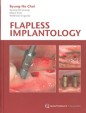
 Flapless implantology
- B-H. Choi,
- S-M. Jeong,
- J. Kim &
- W. Engelke
Flapless implantology has long been viewed as a technique with many limitations. It is thought that it requires an 'ideal' patient selection and without this can pose many problems. This book aims to dispel this belief by showing the reader that with the right planning and case selection, it is a far superior procedure compared to that involving raising of a flap.
Byung-Ho Choi's text is a detailed guide to flapless implantology consisting of 17 chapters. The chapters are well laid out, with a brief subject overview, and text split into thorough, easy to read segments on each chapter's topic. There is a summary at the end of the chapter, which is ideal for a review of its contents. The text is accompanied by a wealth of figures ranging from detailed clinical photos, radiographs, CBCT and other images aiding the reader in their comprehension of the subject. Due to the ethics of control trials with regards to comparing flap and flapless implant techniques on the same patient, a large proportion of the studies and photos used are those of canine models. This research is backed up with evidence from case and cohort studies using human subjects.
The first chapter is a 'comparison of flap and flapless implant surgeries' and acts as a summary of the chapters that follow, informing the reader why the flapless implants are an improved technique. The next two chapters are on the possibilities and limitations of the procedure and a comparison between the two flapless implant techniques - soft tissue punch and mini-incision. Chapters 4-7 begin with diagnosis and treatment planning and guide the reader through the flapless procedure to stage 2 surgery, which involves uncovering the implant when buried with the mini-incision technique. The next eight chapters show potential difficulties with patient selection such as deficient alveolar ridge, sinus bone grafting and early exposure of flapless submerged implants, and how these can be overcome.
I especially enjoyed the section 'clinical cases' which uses much of the previous chapters' information when leading the reader through seven interesting and varied treatment cases.
Overall this is an enjoyable book. The layout of the chapters means each segment is short but informative and the large amount of accompanying figures are both beneficial and helpful in digesting the text. I feel the book would be most appreciated for postgraduate studies or a clinician currently specialising in implantology.
Rights and permissions
About this article
Cite this article
Weir, D. Flapless implantology. Br Dent J 209, 586 (2010). https://doi.org/10.1038/sj.bdj.2010.1128
Published:
Issue date:
DOI: https://doi.org/10.1038/sj.bdj.2010.1128
