
AI Approaches in Drug Design
- Submission status
- Open
- Submission deadline
 This Collection supports and amplifies research related to SDG 3: Good Health & Wellbeing and SDG 17: Partnerships for the Goals.
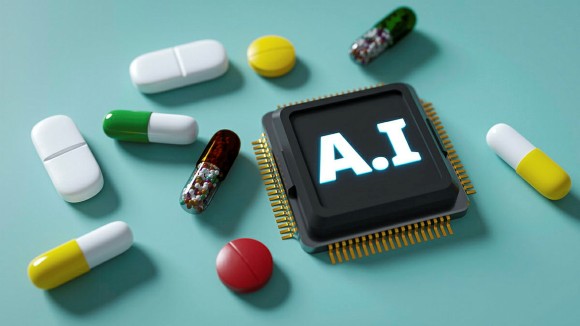
The rapid evolution of artificial intelligence (AI) is reshaping the field of drug design, bringing forth advanced methodologies that hold immense promise for precision oncology. This collection invites original research and reviews highlighting the latest AI applications across various drug discovery and development stages, from initial target identification to lead optimisation and drug candidate evaluation. We aim to showcase how AI can accelerate the discovery of new drugs, optimise existing therapies, and address resistance mechanisms in cancer treatment. AI-driven methods, including deep learning, reinforcement learning, and natural language processing (for sequential data), provide unprecedented opportunities to streamline drug design workflows. With the growing availability of biomedical data, machine-learning algorithms are being developed to identify and validate targets with high therapeutic potential. These methods allow researchers to analyse massive datasets, pinpoint disease-associated pathways, and understand complex molecular interactions, helping scientists develop drugs with greater specificity and fewer off-target effects.
This collection’s key focus is AI’s role in optimising drug efficacy and overcoming drug resistance. Cancer’s complex molecular landscape requires therapies that can target multiple pathways while minimising resistance, and this method is pacing every day and is now known as multitargeted drug designing. By identifying conserved binding sites, understanding mutation patterns, and predicting adaptive resistance, AI models enable the design of drugs that may remain effective against evolving cancer cells. Contributions exploring mutation analysis, structural bioinformatics, and simulations to guide drug optimisation and predict resistance are welcome. Additionally, AI can enhance pharmacokinetic and pharmacodynamic profiling, especially the toxicity predictions still questionable from traditional computations, ensuring that new drugs target specific proteins and demonstrate favourable absorption, distribution, metabolism, excretion, and toxicity properties. Research articles discussing AI’s role in predicting and improving these attributes to maximise drug efficacy and patient safety are of significant interest.
We also invite studies on how AI algorithms can facilitate the design of multitargeted or personalised therapies, leveraging big data to tailor drugs to individual patient profiles. Research that integrates AI with systems biology to design drugs with broader therapeutic windows and higher potency will contribute to the growing field of personalised oncology.
This collection seeks to bring together cutting-edge research that illustrates the transformative power of AI in drug discovery. We encourage submissions across diverse AI methodologies and stages of drug design, from cheminformatics and computational chemistry to clinical trials and post-market monitoring. Together, these works will provide insights into how AI can help address the complex challenges of precision oncology, paving the way for more effective, personalised cancer treatments.
Editors
-
Khalid Raza, PhD
Jamia Millia Islamia, India


