
Parkinson’s Disease and the Microbiome
- Submission status
- Closed
- Submission deadline
 This Collection supports and amplifies research related to SDG 3.
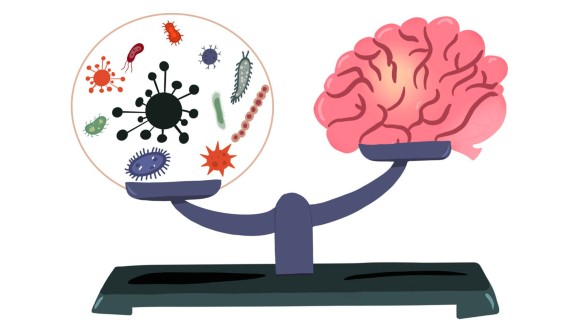
Over the past decade, the microbiome has emerged as a potential pathological facet of Parkinson’s disease (PD). Anatomical sites of microbiome colonization, including the gastrointestinal tract and olfactory system are dysregulated prior to and early in PD. Growing human studies have now identified that the microbiome, particularly of the gastrointestinal (GI) tract, is different in individuals living with PD, compared to those without. Emerging experimental studies have identified contributions of whole microbiomes and select microbes in modifying pathologies across a number of animal models.
Given that indigenous microbes impact physiologies well-beyond their inhabited sites, these data have spurned development and testing of therapeutics- such as fecal microbiome transplant and dietary interventions, that modify the structure and function of the microbiome, in PD. However, many gaps remain, including: When and why does the microbiome first become disrupted in PD?; How are beneficial or pathogenic microbes impacting pathology?; What are the roles of non-bacterial organisms in disease; Are other affected body sites (skin, oral, nasal) pathologically affected by microbes during PD?
This Collection will highlight new advances towards a deeper understanding of the pathological and therapeutic contributions of the microbiome in PD. We particularly welcome submissions on topics such as:
- Human and experimental studies addressing the prodromal phase and/or progression through stages of the disease
- Experimental studies defining mechanistic contributions of the gut microbiome or specific PD-associated microbes in various body sites to the severity, progression, or relief of pathologies, including cellular, behavioral, and cognitive outcomes.
- Studies defining microbiome-gene interactions and/or microbiome-toxicant interactions as they relate to PD
- Exploration of contributions of microbes outside the GI tract, such as skin and oral cavities, and their relationship to local or neurological pathologies.
- Human studies profiling the microbiome composition and/or function with a focus on examining non-bacterial and/or non-intestinal communities
- High-quality reviews will be considered, as well as formal meta-analyses that provide new insights into microbiome-PD interactions.
Editors
-
Timothy Sampson, PhD
Emory University School of Medicine, United States
-
Laura Cox, PhD
Brigham and Women's Hospital, United States
-
Paramita Chakrabarty, PhD
University of Florida, United States
-
Leah Beauchamp, PhD
Brigham and Women's Hospital, United States


