
Exercise, Eat, Sleep, Repeat: Daily rhythms and energy metabolism
- Submission status
- Open
- Submission deadline
 This Collection supports and amplifies research related to SDG 3: Good Health & Wellbeing and SDG 4: Quality Education.
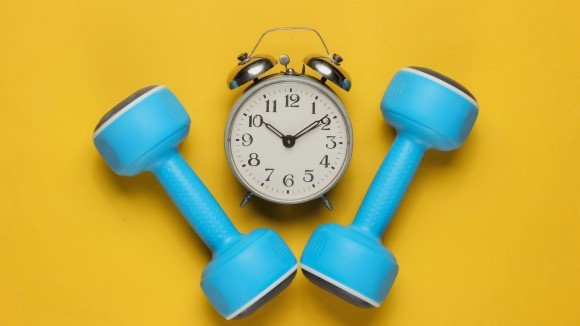
“Any time of exercise is better than no exercise” is a popular phrase in public debates about the optimal timing of physical activity to enhance performance and health outcomes. Traditionally, exercise prescription has focused on adjusting variables such as frequency, intensity, duration, and activity type. However, recent studies spanning cellular, animal, and human models have revealed that exercise functions as a Zeitgeber (a German term meaning “time-giver”) for the central clock in the brain as well as peripheral clocks in various organs. Exercise can hence resynchronize biological clocks and clock-dependent processes but is also known to influence sleep. Understanding whether its effects on sleep are independent or mediated through the circadian clock remains a research area requiring further exploration.
For this Collection, we invite submissions that showcase recent advances in elucidating the mechanisms by which exercise supports or disrupts circadian rhythms and sleep. We particularly welcome studies investigating the identification of exerkines (e.g. exercise-induced signaling molecules) that impact peripheral and central timekeeping processes, as well as sleep-related outcomes. Articles examining how exercise aligns with other daily rhythms in energy metabolism are of special interest, as such alignment represents a promising strategy with important implications for both clinical practice and research, integrating the disciplines of sleep and circadian biology with exercise physiology. Alongside original research conducted in human volunteers, animal models or cellular systems, we also encourage reviews, perspectives, and comments addressing these topics.
Editors
-
Jan-Frieder Harmsen, PhD
RWTH Aachen University, Germany
-
Charna Dibner, PhD
University of Geneva, Switzerland

