
Exercise, Eat, Sleep, Repeat: Daily rhythms and energy metabolism
- Submission status
- Open
- Submission deadline
 This Collection supports and amplifies research related to SDG 3: Good Health & Wellbeing and SDG 4: Quality Education.
“Any time of exercise is better than no exercise” is a popular phrase in public debates about the optimal timing of physical activity to enhance performance and health outcomes. Traditionally, exercise prescription has focused on adjusting variables such as frequency, intensity, duration, and activity type. However, recent studies spanning cellular, animal, and human models have revealed that exercise functions as a Zeitgeber (a German term meaning “time-giver”) for the central clock in the brain as well as peripheral clocks in various organs. Exercise can hence resynchronize biological clocks and clock-dependent processes but is also known to influence sleep. Understanding whether its effects on sleep are independent or mediated through the circadian clock remains a research area requiring further exploration.
For this Collection, we invite submissions that showcase recent advances in elucidating the mechanisms by which exercise supports or disrupts circadian rhythms and sleep. We particularly welcome studies investigating the identification of exerkines (e.g. exercise-induced signaling molecules) that impact peripheral and central timekeeping processes, as well as sleep-related outcomes. Articles examining how exercise aligns with other daily rhythms in energy metabolism are of special interest, as such alignment represents a promising strategy with important implications for both clinical practice and research, integrating the disciplines of sleep and circadian biology with exercise physiology. Alongside original research conducted in human volunteers, animal models or cellular systems, we also encourage reviews, perspectives, and comments addressing these topics.
Editors
-
Jan-Frieder Harmsen, PhD
RWTH Aachen University, Germany
-
Charna Dibner, PhD
University of Geneva, Switzerland
Jan-Frieder Harmsen, PhD, RWTH Aachen University, Germany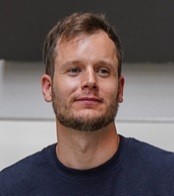
Dr. Jan-Frieder Harmsen received his B.Sc. and M.Sc. in exercise physiology in 2016 and 2019 from the German Sport University Cologne. In his PhD work at Maastricht University (The Netherlands) from 2019 to 2023, he investigated the impact of the biological clock on metabolism by manipulating zeitgebers (such as the timing of bright light and exercise) in insulin-resistant individuals. Since 2023 he is working as a postdoctoral researcher in the Healthy Living Spaces Lab at the University Hospital of RTWH Aachen University in Germany, as well as in the Department of Nutrition and Movement Sciences at Maastricht University Medical Center since 2025. His current research is focused on the role of environmental factors (such as light exposure) and their timing on cardiometabolic health. As a target population, he aims to develop evidence-based practical solutions for shift workers to lower their risk for cardiometabolic and other diseases.
Charna Dibner, PhD, University of Geneva, Switzerland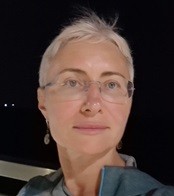
Dr. Charna Dibner is Professor of Circadian Endocrinology and Chronomedicine at the University of Geneva. She leads an internationally recognized team in Geneva dedicated to advancing our understanding of molecular circadian oscillators and their impact on physiology and disease. Her research explores the crucial role of circadian clocks in regulating metabolic processes, with a focus on the interplay between these biological rhythms and metabolic disorders like obesity and type 2 diabetes. Through innovative techniques, Dr. Dibner's lab investigates circadian mechanisms in human tissues, including pancreatic islet cells, skeletal muscle, and white adipose tissue, while also examining the link between circadian rhythms and cancer, particularly lung, parathyroid and thyroid malignancies, to inform new diagnostic approaches.
