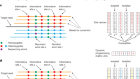
Your smartphone and laptop are made of electronic circuits. Genetic circuits, modelled on the electronic ones, are human-designed combinations of genetic components that interact to produce one or more proteins or RNA molecules, for example, in response to a given stimulus, such as a toxin. Under the right conditions, the circuit might be triggered to make “protein A, which then interacts with protein B to give outcome C”, says David Riglar, a synthetic biologist at Harvard Medical School in Boston, Massachusetts. But until a decade or so ago, these two kinds of circuits were made in very different ways.
Enjoying our latest content?
Log in or create an account to continue
- Access the most recent journalism from Nature's award-winning team
- Explore the latest features & opinion covering groundbreaking research
or



 How to hack the genome
 Biology software promises easier way to program living cells
 Living factories of the future