
Sex Differences in Aging Research
- Submission status
- Open
- Submission deadline
 This Collection supports and amplifies research related to SDG 3 and SDG 5.
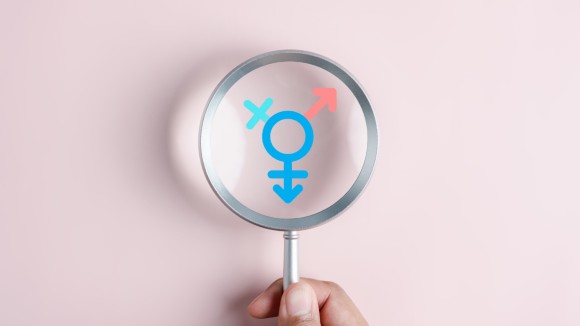
The exploration of sex and gender differences in biomedical research has garnered increasing attention in recent years, reflecting a growing recognition of the necessity for a more nuanced understanding of health and disease. Traditionally, medical research has often operated under the assumption that findings derived from male subjects can be universally applied, neglecting the potential variations in physiological, pharmacological, and pathological responses between sexes. As we face a multitude of health challenges that disproportionately affect one sex over the other, it is crucial to adopt a more inclusive approach to research design and interpretation. This Collection aims to catalyze scholarly dialogue and encourage innovative research that addresses these critical disparities, ensuring that our biomedical knowledge is both comprehensive and equitable.
There are known sex and gender differences in the aging process. At the population level, women tend to live longer but have greater frailty, while men have shorter average lifespans but lower levels of frailty. Additionally, the incidence and outcomes of age-related diseases are significantly influenced by sex. As in other fields, historically most aging research has ignored sex as a biological variable, with studies including only males or not considering the sex of their model organisms, cells and samples. However, this paradigm is shifting as growing evidence indicates that age-related sex differences have clear physiological, cellular and molecular underpinnings.
By focusing on sex and gender differences in aging, this Collection invites contributions that encompass a broad spectrum of disciplines, from basic biomedical sciences to clinical research and public health. We seek studies that investigate the biological underpinnings of sex-specific aging outcomes or mechanisms, treatment efficacy, and the role of social and environmental factors in health disparities. We also encourage interdisciplinary approaches that integrate gender perspectives into health systems and policy considerations. As the global health community strives to develop interventions that are effective and inclusive, the need to understand sex differences becomes paramount, thereby informing strategies that can improve health outcomes for all.
Editors
-
Alice Kane, PhD
Institute for Systems Biology (ISB), United States
-
Sarah Mitchell, PhD
Princeton University, United States
-
Marianna Sadagurski, PhD
Wayne State University, United States
