
Editorial Board
Our Editorial Board Members are active researchers recognized as experts in their field. They handle manuscripts within their areas of expertise, overseeing all aspects of the peer review process from submission to acceptance.
Editorial Board Members work closely with our in-house editors to ensure that all manuscripts are subject to the same editorial standards and journal policies.
For past members of our Editorial Board, please see our Editorial Board Alumni page.
Christian Agatemor, PhD, Bucknell University, USA

Dr Christian Agatemor is an Assistant Professor of Chemistry at Bucknell University, Lewisburg, USA. His research explores the interface of chemistry and biology, focusing on the molecular design of bioorthogonal chemical reporters to investigate post-translational modifications such as protein glycosylation and lactylation. His group also develops bio-derived ionic and deep eutectic solvents as biocompatible materials for drug delivery and as model systems for solvation and charge-transfer phenomena. Dr Agatemor received his Ph.D. in Chemistry from the University of Prince Edward Island (Canada) and completed postdoctoral research at Harvard University and Johns Hopkins University. His work has been featured in Nature Reviews Chemistry, Angewandte Chemie International Edition, Chemical Communications, and The Journal of Physical Chemistry B. He is a recipient of the NSF LEAPS-MPS award and the NSERC postdoctoral fellowship.
Rômulo Ando, PhD, Institute of Chemistry - University of São Paulo, Brazil
 Dr. Ando is an Associate Professor of Chemistry in the Molecular Spectroscopy Laboratory at the Institute of Chemistry, University of São Paulo (USP), Brazil. He earned his Ph.D. in Chemistry from USP in 2009, with research focused on the spectroscopic and theoretical analysis of molecular and ionic complexes of sulfur dioxide. Since joining the Institute of Chemistry as an Assistant Professor in 2010, Dr. Ando has developed a research program exploring CO₂ capture by ionic liquids through thermodynamic and spectroscopic approaches. In 2016, he completed a one-year research stay at The Ohio State University (Columbus, OH, USA), where he investigated the solvation of donor–acceptor molecular systems in ionic liquids using time-resolved vibrational spectroscopy. Promoted to Associate Professor in 2020, Dr. Ando now leads projects at the intersection of spectroscopy and materials science. His current research focuses on the use of resonance Raman (RR) and surface-enhanced Raman scattering (SERS) spectroscopy to investigate diverse systems, including charge-transfer complexes, frustrated Lewis pairs, dissolved gases in ionic liquids, environmental pollutants, and microplastics. His group also integrates advanced theoretical methods, such as multiconfigurational (CASSCF and CASPT2) and density functional theory (DFT) calculations, to support and interpret experimental results.
Lab webpage
Canan Atilgan, PhD, Sabanci University, Turkiye
 Dr. Canan Atilgan is a Professor of Materials Science and Nano Engineering at the Faculty of Engineering and Natural Sciences of Sabanci University, Türkiye. Dr. Atılgan expertise is on the computational and theoretical investigation of complex molecules. Her focus is on disclosing dynamical features of soft matter systems that lead to unique behavior identified, but not explained, through experiments. Protein dynamics, manipulation of protein conformations, understanding the antibiotic resistance problem at the scale of the three-dimensional structure of single proteins, and protein design are areas of current interest for her. She received her PhD from the Department of Chemical Engineering of Boğaziçi University in 1996. She was a postdoctoral research fellow at the Supercomputer Computations Research Institute of Florida State University through 1999. She is an elected member of Bilim Akademisi - Science Academy, Türkiye and served as its President for the 2021-2024 term. She is an elected member of EMBO and Academia Europaea. Lab webpage
Fang Bai, PhD, Shanghai Tech University, China
 Dr. Fang Bai is an assistant professor in the School of Life Science and Technology at Shanghai Tech University. She received her Ph.D. in Biomedical Engineering from Dalian University of Technology in 2014 and completed postdoctoral training at the Center for Theoretical Biological Physics at Rice University. Before joining Shanghai Tech University in October 2019, she served briefly as an assistant professor at the University of Texas Health Science Center at Houston. Dr. Bai's research centers on advancing computational methods for drug design, including the application of artificial intelligence algorithms. Her recent work emphasizes developing new approaches to design drugs against undruggable targets, such as protein-protein interactions, with a focus on designing degraders like molecular glues and PROTACs.
Lab webpage
Indranath Chakraborty, PhD, Indian Institute of Technology Kharagpur, India
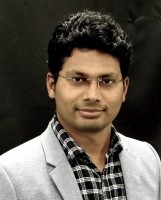 Dr Indranath Chakraborty is an Assistant Professor in the School of Nano Science and Technology at the Indian Institute of Technology Kharagpur, India. His research group investigates the emerging properties of atomically precise nanoparticles, structure-property correlations, and their functions. He obtained his Ph.D. in 2015 from the Indian Institute of Technology, Madras (India). He was then a postdoctoral research associate at the University of Illinois at Urbana–Champaign, IL, USA. In 2016, he moved to Philipps University of Marburg, Germany, as an Alexander von Humboldt Postdoctoral Research Fellow. In 2018, he moved to the Center for Hybrid Nanostructure, University of Hamburg, Germany as a research associate. Before Joining IIT Kharagpur (2022), he was an Assistant Professor in the School of Basic Sciences at IIT Mandi (India). He has received numerous awards for his research contributions, including the Humboldt Fellowship, Malhotra Weikfield Foundation Nano Science Fellowship Award, and J. C Bose patent award.
Lab webpage
François-Xavier Coudert, PhD, French National Centre for Scientific Research, France
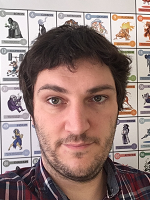 Dr Coudert is a Researcher at the French National Centre for Scientific Research (CNRS, France), where his group applies computational chemistry methods at various scales to investigate the physical and chemical properties of nanoporous materials, and in particular stimuli-responsive materials with anomalous behaviour. He obtained his PhD from the University Paris-Sud (France) in 2007, for his work on the properties of water and solvated electrons confined in zeolite nanopores. He worked as post-doctoral researcher at University College London (UK) on the growth of metal-organic frameworks on surfaces, before joining CNRS in 2008. FX has received the Early-Career Researcher award from the French Physical Chemistry division, was named a Distinguished Junior Member of the French Chemical Society, and was awarded the 2018 International Award for Creative Work by the Japan Society of Coordination Chemistry.
Lab webpage
André Dallmann, PhD, Humboldt Universität zu Berlin, Germany
 Dr. André Dallmann is head of the NMR department of the Chemistry institute at the Humboldt University in Berlin, Germany. He received his Dr. rer. nat. from Humboldt University in 2009 on the topic of structural and dynamic characterisation of fluorophore-labelled DNA duplex. He then moved on in 2010 to a Post-Doc at the TU Munich and Helmholtz Centre for Infectuous Diseases in the group of Prof. Dr. Michael Sattler, where he focussed on structural and dynamic investigation of functional RNA and pulse program development for Biomolecular NMR spectroscopy. From 2013 to 2014 he conducted postdoctoral research at the National Institute of Medical Research (now: Crick Institute) and University College London, where he focussed on structural investigations of the Syncrip protein RRM- and N-terminal domains. Since September 2015 he is back at the Humboldt University and focuses his research on a broad range of topics, including but not limited to structural aspects in material sciences e.g. perowskite materials and peptide mimetics; structure and dynamics of inorganic complexes; reaction pathway elucidation.
Lab webpage
Thu-Thuy Dang, PhD, The University of British Columbia, Canada
 Dr. Thu-Thuy Dang is currently an assistant professor and a MSHRBC Scholar in the Chemistry Department, UBCO. She's also a UBCO Principle Research Chair in Natural Product Biosynthesis and Biotechnology. She obtained her PhD from the University of Calgary (Facchini group, Canada) and EMBO postdoc from John Innes Centre (O’Connor group, UK). She is interested in understanding how plants use enzymes to produce molecules that we use as pharmaceuticals. Her research program integrates biochemistry, chemistry, bioinformatics, and molecular genetics to understand and engineer the biosynthesis of valuable chemicals from medicinal plants.
Lab webpage
Felipe García, PhD, Monash University, Australia
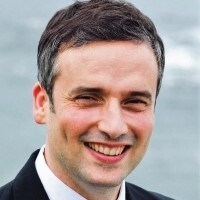 Felipe García is originally from the coastal town of Gijón (Asturias, Spain) and earned his BSc and MSc degrees in Chemistry at the local Oviedo University. In 2001, he moved to the University of Cambridge to pursue his graduate studies on main group imides and phosphides as a Cambridge European Trust and Newton Trust Scholar under the supervision of Prof. Dominic Wright. He then obtained a Junior Research Fellowship at Wolfson College (2005) and was appointed a College Lecturer in Inorganic Chemistry at Newnham and Trinity Colleges (2006) before joining Nanyang Technological University (Singapore) in 2011 as an Assistant Professor. In 2022, he returned to his alma mater under the Margarita Salas Senior Talent Attraction program funded by the Foundation for the Promotion in Asturias of Applied Scientific Research and Technology (FICYT). In 2024, he relocated to Monash University (Australia) to continue his research. Felipe has published over 100 papers on Main Group Chemistry and strives to develop new synthetic strategies for synthesizing novel compounds for industrial and biological applications.
Lab webpage
Michal Hocek, PhD, Institute of Organic Chemistry and Biochemistry of the Academy of Sciences of the Czech Republic, Czech Republic
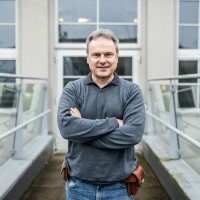 Michal Hocek is a Distinguished Chair group leader at the Institute of Organic Chemistry and Biochemistry of the Czech Academy of Sciences (IOCB) and a full-professor at the Dept. of Organic Chemistry, Faculty of Science of the Charles University in Prague. He graduated from the University of Chemistry and Technology Prague in 1993 and finished his PhD at IOCB in 1996. After a postdoctoral stay in Université Catholique de Louvain in Belgium, he joined the IOCB and started his own research group in 2003. He received numerous awards, including Praemium Academiae from the Czech Academy of Sciences and R. Lukes Prize from the Czech Chemical Society. His group is working on bioorganic and medicinal chemistry and chemical biology of nucleosides, nucleotides and nucleic acids.
Personal webpage
Satoshi Honda, PhD, Kyushu University, Japan
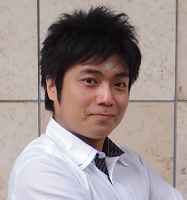 Dr Honda is Associate Professor of Chemistry at Kyushu University (Japan), where his research focuses on the development of novel polymers and stimuli-responsive soft materials, the construction of functional nanostructures, and the development of ultrasound-based devices for materials science. He received his PhD from Tokyo Institute of Technology in 2013 for his work on the synthesis and self-assembly of cyclic polymers with Professor Yasuyuki Tezuka. Following his PhD, he spent two years at the Tokyo University of Science as Specially Appointed Assistant Professor (2013-2015) and ten years at the University of Tokyo as Assistant Professor (2015-2025) and was named an Excellent Young Researcher in 2018. During his former position (2018-2019), he engaged in the ring opening polymerization of unusual cyclic molecules with organic catalysts with Professor Robert M. Waymouth at Stanford University as a Visiting Scholar. From 2025, he joined Institute for Materials Chemistry and Engineering at Kyushu University as Associate Professor. He is the recipient of the Young Scientists’ Prize, Commendation for Science and Technology by Japan Minister of Education, Culture, Sports, Science and Technology, 2020.
Lab webpage
Read our interview with Satoshi for Nature Japan (jp version; en version).
Chang-Yu Hsieh, PhD, Zhejiang University, China
 Dr. Chang-Yu (Kim) Hsieh is a Professor at the College of Pharmaceutical Sciences, Zhejiang University. Before joining Zhejiang University, he led the Theory Division at Tencent Quantum Lab in Shen-zhen, focusing on AI and quantum simulation for drug and material discovery. Prior to that, he was a postdoctoral researcher in the Department of Chemistry at MIT. His primary research interests lie in developing advanced computing algorithms, including AI and quantum computing, to simulate and model material and molecular properties.
Personal webpage
N M Anoop Krishnan, PhD, Indian Institute of Technology Delhi, India
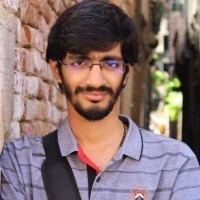 Prof. N M Anoop Krishnan is an Associate Professor in the Department of Civil Engineering at IIT Delhi with a joint appointment at the Yardi School of Artificial Intelligence. He leads the Multiphysics & Multiscale Mechanics Research Group (M3RG), focusing on AI-driven materials discovery, computational modeling of glasses and ceramics, and foundation models for scientific applications. Prof. Krishnan earned his Ph.D. from the Indian Institute of Science Bangalore and completed postdoctoral research at UCLA. He is a recipient of several recognitions including the W. A. Weyl International Glass Science Award, associateship of the Indian Academy of Sciences, recipient of Alexander von Humboldt Fellowship for experienced researchers, to name a few. He has published over 150 papers and holds three patents.
Personal webpage
Ga-Lai Law, PhD, Hong Kong Polytechnic University, Hong Kong
https://orcid.org/0000-0002-2192-6887
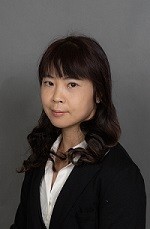 Ga-Lai Law is a Full Professor at The Hong Kong Polytechnic University at the Department of Applied Biology and Chemical Technology. She read Chemistry at The University of Manchester where she obtained her MChem, before moving across to Asia to The University of Hong Kong for a DPhil. Following, she pursued her interests in the f elements by joining David Parker’s group in Durham, and later Kenneth N Raymond at UC Berkeley, California. She then started her independent career at The Hong Kong Polytechnic University where she has established her research group. Currently her research focuses on interdisciplinary research with the f-elements. Some key areas are on lanthanide supramolecular compounds/complexes in developing molecular edifices for photoluminescence and bio-applications especially in the area of diagnostics, molecular imaging and chiroptical properties
Lab webpage
Teodoro Laino, PhD, IBM Research, Switzerland
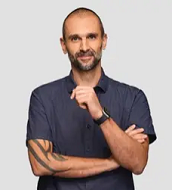
Dr Teodoro Laino received his Masters degree in theoretical chemistry in 2001 (University of Pisa and Scuola Normale Superiore di Pisa, Italy) and a doctorate in computational chemistry in 2006 (Scuola Normale Superiore di Pisa, Italy) defending a thesis on 'Multi-Grid QM/ MM Approaches in ab initio Molecular Dynamics'. From 2006 to 2008, Teo worked as a post-doctoral researcher at the University of Zurich, contributing to the development of the CP2K simulation package. In 2008, Teo joined the IBM Research - Zurich Laboratory (ZRL) as Research Scientist. He is currently Distinguished Research Scientist and manager.
Personal webpage
Michael Meanwell, PhD, University of Alberta, Canada
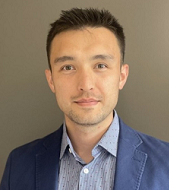 Dr Meanwell is the Manley and Marian Johnston Professor of Chemistry at the University of Alberta in Canada. His research is currently focused in three distinct areas: 1) leveraging electrocatalysis for the discovery of new chemical reactions, 2) invention of new processes for nucleoside analogue synthesis, and 3) total synthesis of bioactive natural products. He previously completed his PhD in 2020 at Simon Fraser University under the supervision of Professor Robert Britton where he worked on C-H functionalization and de novo glycoside synthesis. Dr Meanwell then continued his training as a Banting Postdoctoral Fellow in the laboratories of Professor Phil Baran at the Scripps Research Institute working on electrocatalysis and natural product synthesis. In 2022, he began his independent career at the University of Alberta.
Lab webpage
David Nelson, PhD, University of Strathclyde, UK
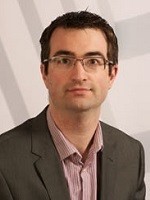 Dr Nelson is a Senior Lecturer in the Department of Pure and Applied Chemistry at the University of Strathclyde (UK). His research group study the mechanisms and structure/reactivity relationships of a range of reactions that are deployed in synthetic organic chemistry, most of which are catalysed by well-defined transition metal complexes. Current areas of focus include nickel-catalysed cross-coupling reactions and C-H functionalisation reactions. He obtained his PhD from the University of Strathclyde in 2012 for a thesis on structure/reactivity relationships in ring-closing metathesis (with Professor J. M. Percy) before carrying out postdoctoral research at the University of St Andrews (with Professor S. P. Nolan). He started his academic position at Strathclyde in 2014 as one of the inaugural cohort of 'Chancellor's Fellows' and was promoted to Senior Lecturer in late 2018. He was a Thieme Chemistry Journals Awardee in 2020.
Lab webpage
Jihye Park, PhD, University of Colorado Boulder, USA
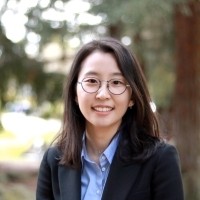 Jihye Park is an Assistant Professor of Chemistry at the University of Colorado Boulder since 2020. She received a PhD in Chemistry from Texas A&M University in 2016 under the guidance of Professor Hong-Cai (Joe) Zhou. Her doctoral work was recognized by receiving the ACS Young Investigator Award from the Division of Inorganic Chemistry. She conducted her postdoctoral research with Professor Zhenan Bao in the Department of Chemical Engineering at Stanford University. Dr. Park’s research program has received awards, including the ONR Young Investigator Program and the ACS Polymeric Materials: Science and Engineering Early Investigator Award.
Lab webpage
Kristyna Pluhackova, PhD, University of Stuttgart, Germany
 Dr. Pluhackova is a researcher at the Cluster of Excellence and Stuttgart Center for Simulation Science at the University of Stuttgart (Germany) where her group applies and improves multiscaling molecular dynamics simulation techniques to various systems ranging from small molecules over materials to complex biological systems. Among others, her group currently develops an artificial-intelligence aided methodology for reverse transformation of coarse-grained systems back to atomistic resolution, improves parameters for protein phosphorylation, and establishes a coarse-grained model for simulations of metal-organic frameworks and amorphous carbon materials. During her studies of physical chemistry at the Charles University in Prague (Czech Republic), Kristyna Pluhackova has worked on quantum-chemical problems at the Czech Academy of Sciences. Afterwards she obtained her PhD from the Friedrich-Alexander University Erlangen-Nürnberg (Germany) for development and application of methods for multiscaling molecular dynamic simulations of biomembranes. During her PostDoc at the ETH Zürich in Basel (Switzerland) she complemented atomic force microscopy experiments performed in the Biophysics group of Prof. Daniel Müller unravelling the molecular details of biological processes.
Lab webpage
Jenna Poonoosamy, Dr. rer. nat., Forschungszentrum Juelich GmbH, Germany
Research Areas: Coupled hydro-geochemical processes in porous media, radionuclide and contaminant mobility in the subsurface, mineral-fluid interactions and precipitation kinetics, nucleation and confinement effects, microfluidic experimental platforms, radiochemical synthesis of radionuclide-bearing minerals, thermodynamic and kinetic analysis, pore-scale and reactive-transport modelling, atomistic and multiscale simulations, synchrotron-based spectroscopy and imaging, X-ray computed tomography (X-ray CT), advanced electron microscopy including FIB-SEM and HAADF-STEM, AI-assisted experimental design and data analysis
 Jenna Poonoosamy is a physico-chemist and radiochemist, and Head of the Reactive Transport Team at Forschungszentrum Jülich (IFN-2). Her research focuses on chemical processes in porous media, aiming to understand how reactions, transport, and evolving microstructure interact across length and time scales. She develops microfluidic experimental platforms to interrogate nucleation, precipitation, and confinement effects, and couples these with synchrotron-based techniques, X-ray computed tomography, and advanced electron microscopy (including FIB-SEM and HAADF-STEM) to resolve processes from the micrometre to nanometre scale. Her work integrates thermodynamic analysis, atomistic and pore-scale simulations, and reactive-transport modelling, with increasing use of AI-assisted approaches to enhance experimental design, data extraction, and model parameterization. By combining quantitative experiments with multiscale numerical descriptions, she delivers mechanistic insight into mineral-fluid and radionuclide systems relevant to nuclear waste disposal, CO2 sequestration, hydrogen storage, and geothermal energy. She is an ERC Starting Grant awardee and recipient of the 2024 Nuclear Chemistry Division Award of the German Chemical Society.
Personal webpage
Nønne Prisle, PhD, Deutsches Elektronen-Synchrotron DESY, Germany
orcid.org/ 0000-0002-2041-6105
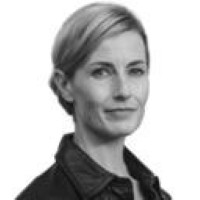 Nønne Prisle is the Lead Scientist for Chemistry in Aerosols, Atmosphere, and Aqueous Solutions (CIA3) at Deutsches Elektronen-Synchrotron DESY and W3 professor at the Institute of Inorganic and Applied Chemistry, University of Hamburg, Germany. She is a Lise Meitner guest professor at the Faculty of Engineering, Lund University, Sweden, and founding director of the Center for Atmospheric Research (ATMOS) at University of Oulu, Finland. She is a member of the Finnish Society of Sciences and Letters since 2024. Nønne Prisle received her PhD in Chemistry from University of Copenhagen, Denmark, in 2009, and has carried out postdoctoral research at the Finnish Meteorological Institute and the Institute for Atmospheric and Earth System Research, Helsinki University, Finland. Her field of scientific expertise is nanoscale aerosols, focusing on combining advanced Xray spectroscopic and imaging techniques with theoretical and computational approaches for investigating their chemical and microphysical properties. She is especially interested in surfactants, surface tension, and self-assembly, and how these uniquely affect the chemistry of submicron aerosols in the atmosphere and their global climate impacts.
Lab webpage
Debdas Ray, PhD, Shiv Nadar Institution of Eminence Deemed to be University, India
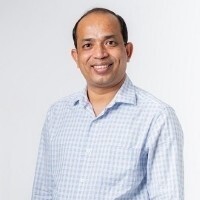 Debdas was born and raised in Cooch Behar, West Bengal. He then went to Kolkata for his higher studies. He received his BSc (2000) and MSc (2002) degrees from the University of Calcutta. He has received his Ph.D. degree (2008) from the Indian Institute of Technology Kanpur (IITK), India. His doctoral research was conducted under the supervision of Professor Parimal K. Bharadwaj and focused on designing various supramolecular receptors for sensing and nonlinear optical studies. He then carried out his first postdoctoral research in Professor Dario M. Bassani’s Group at the University of Bordeaux (2009-2011), where he focused on the synthesis of fullerene (C60) and anthracene monolayers on silicon surfaces as well as various fullerene derivatives having hydrogen-bonding recognition unit for organic electronics. He did his second postdoctoral research with Professor Ivan Aprahamian (2011-2012) at Dartmouth College, USA, where he focused on hydrazine-based rotary switches for coordination-coupled proton relay mimicking proton translocation in biological systems. His third postdoctoral research was carried out in Professor Takashi Nakanishi’s group (2012-2013) at the National Institute for Materials Science (NIMS), Japan, where he focused on neutral solvent-free liquid organometallic complexes of platinum(II) and iridium(III) for optoelectronic applications. He joined the Department of Chemistry at Shiv Nadar University as an Assistant Professor in July 2013 and was promoted to Associate Professor in July 2018, and full professor in January 2025. Debdas took on the role of Associate Head of Department in December 2025 followed by the position of Head of Department on 1 April 2026.
Lab webpage
Fredrik Schaufelberger, PhD, University of Warwick, UK
https://orcid.org/0000-0001-5298-4310
 Fredrik Schaufelberger is an assistant professor of synthetic chemistry at the University of Warwick and KTH Royal Institute of Technology, where he researches the use of mechanically interlocked molecules and materials in biology. He obtained his undergraduate degree from at KTH and ETH Zürich (2007-2012), followed by PhD studies at KTH in the area of supramolecular and dynamic covalent chemistry (with Olof Ramström). Following his dissertation, he moved to the group of David A. Leigh at the University of Manchester with a Marie Skłodowska-Curie Individual Fellowship (2017-2020). In Manchester, he was studying functional molecular knots and chemically fuelled molecular assemblies such as rotaxanes. After a research stay with Molly M. Stevens at Imperial College London (2020-2021), where he was working on biosensing and drug delivery, he took up a group leader position at KTH before relocating to Warwick in 2024. Fredrik is passionate about synthetic and supramolecular chemistry, biointeractions, soft materials and systems chemistry.
Lab webpage.
Alina Sekretareva, PhD, Uppsala University, Sweden
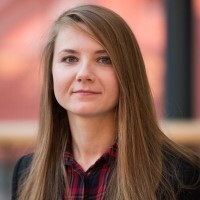 Dr Alina Sekretareva is an Assistant Professor and Docent in the Department of Chemistry-Ångström at Uppsala University, Sweden. Her research group focuses on understanding and controlling electron transfer processes in catalysis, encompassing a wide range of systems—from biological electron transfer in enzymes to photoelectrocatalytic processes on plasmonic nanostructures. The particular emphasis of the group is on the development of single-entity electrochemical methods for studying electron transfer processes at the single molecule/particle level. Dr Sekretareva earned her Ph.D. in Applied Physics at Linköping University, Sweden, working under the supervision of Prof. Anthony Turner and Prof. Mats Eriksson. With a prestigious Wallenberg Postdoctoral Fellowship, she subsequently joined Prof Edward Solomon's world-famous lab in the Department of Chemistry at Stanford University in the United States. Dr. Sekretareva is a recipient of the prize from King Carl XVI Gustaf's 50th-anniversary Foundation and the Göran Gustafsson Prize in Technical Physics.
Lab webpage
Marina Šekutor, Phd, Ruđer Bošković Institute, Zagreb, Croatia
orcid.org/0000-0003-1629-3672
 Dr. Marina Šekutor is currently Senior Research Associate at the Ruđer Bošković Institute, Zagreb, Croatia. She received her B.Sc.Eng. degree in 2008 and Ph.D. (under mentorship of Prof. Kata Majerski) in 2013, both from the Faculty of Science, University of Zagreb. After completing a Humboldt postdoctoral fellowship in the group of Prof. Peter R. Schreiner (Justus-Liebig-University, Giessen, Germany, 2015-2017) and upon returning to Zagreb she continued to pursue her interests in the chemistry of diamondoids. Dr. Šekutor received the Annual award to young scientists and artists in 2014, the Annual award of the Ruđer Bošković Institute in 2017, and the Award for organic chemistry "Vladimir Prelog" in 2019 (awarded by the Croatian Chemical Society). She is a lecturer at the Faculty of Science, University of Zagreb and the Faculty of Medicine, Josip Juraj Strossmayer University of Osijek, and also currently holds the position of Secretary of the Croatian Chemical Society (from 2021). Her research interests include preparation of diamondoid derivatives and other polycyclic cage compounds, their supramolecular host-guest chemistry, characterization and computational analysis of cluster assemblies in helium nanodroplets driven by intermolecular interactions, and use of functionalized diamondoids in materials science.
Lab webpage.
Ulyana Shimanovich, PhD, Weizmann Institute of Science, Israel
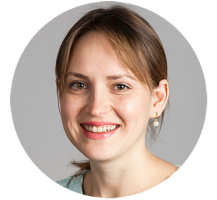 Dr Ulyana Shimanovich studied chemistry at the Bar-Ilan University where she obtained her PhD. In 2012 she was elected to a Fulbright fellowship as well as to a Women in Science fellowship, and she conducted her postdoctoral training at the Department of Chemistry, University of Cambridge UK. In 2016 Ulyana joined the Department of Molecular Chemistry and Materials Science, Weizmann Institute of Science (Israel) as a Senior Scientist (equivalent to Assistant Professor). She has published over 60 papers, and has an h-index of 25. She is the recipient of multiple national and international prizes, including the “Alon” Fellowship for Outstanding Young Researchers, Israeli Council of Higher Education (Israel) and the FEBS Scientific Excellence Award (Europe).
Lab webpage
Richa Singhal, PhD, BITS Pilani, K.K. Birla Goa Campus, India
 Dr. Richa Singhal is an Associate Professor in the Department of Chemical Engineering at BITS Pilani, K. K. Birla Goa Campus, India. She earned her PhD in Chemical Engineering from Drexel University (USA) in 2016, following an M. Tech in Chemical Engineering from IIT Delhi and a B. Tech in Chemical Engineering from Aligarh Muslim University (2008). Dr. Singhal's postdoctoral research at George Washington University (USA) focused on carbon dioxide capture and its conversion into carbon nanotubes. Before pursuing her doctorate, she served as a Scientist in the Biofuels Division at CSIR-Indian Institute of Petroleum, Dehradun. Her current research focuses on the synthesis and characterization of nanomaterials for applications in electrochemical energy storage and conversion devices, electrocatalysis, and renewable and sustainable energy technologies. In 2018, she received the Early Career Research award from Science & Engineering Research Board (SERB-DST), India. Lab webpage
Per-Olof Syren, PhD, KTH Royal Institute of Technology, Sweden
https://orcid.org/0000-0002-4066-2776
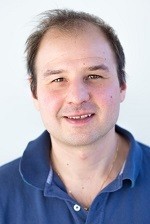 Dr Syrén is currently an Associate Professor in Chemistry for Life Sciences at KTH Royal Institute of Technology in Sweden. After spending 1 year at UC Berkeley (group of Prof. Jack F Kirsch) during his MSc studies, Dr Syrén performed his MSc thesis project in industry at AstraZeneca. He earned his Ph.D. in biotechnology from KTH in 2011 (supervisor Prof. Karl Hult). Following a postdoc in the laboratory of Prof. Bernhard Hauer in Stuttgart as an Alexander von Humboldt Fellow, Dr. Syrén returned to Sweden and KTH to start his independent scientific career. His research program bridges biotechnology and protein engineering with chemistry and material science for applications in green chemistry. In 2019, he was awarded the competence development award from his Majesty King Carl XVI Gustaf of Sweden and the Gunnar Sundblad Research Foundation for his pioneering work on polymer retrobiosynthesis as a tool to access monomers from biomass by biocatalysis.
Lab webpage.
James Walsh, University of Massachusetts Amherst, USA
https://orcid.org/0000-0003-3454-3428
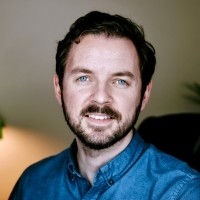 James Walsh is an Assistant Professor at the University of Massachusetts Amherst, where he leads a research group exploring solid-state synthesis and materials characterisation under extreme pressures. He specialises in experimental static and dynamic compression methods coupled to in situ techniques that include: X-ray and neutron diffraction; optical spectroscopies such as Raman, infrared, and UV-vis; and high-energy spectroscopies such as Mössbauer and X-ray absorption. He also works with data-driven methods to expand in silico predictive capabilities for high-pressure phases. James received both his master’s (2010) and his PhD (2014) from the University of Manchester, where he worked with David Collison on the study of exchange interactions in polymetallic molecular nanomagnets using electron paramagnetic resonance, inelastic neutron scattering, and magnetometry. Following his PhD, he carried out post-doctoral research at Northwestern working with Danna Freedman on the use of high-pressure synthesis methods to discover new transition metal–bismuth binary compounds. He has been an Assistant Professor in the Department of Chemistry at the University of Massachusetts since 2019.
Lab webpage.
Andy Wilson, PhD, University of Birmingham, UK
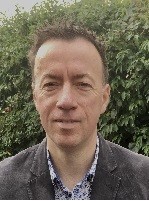 Prof Andy Wilson received a BSc (Hons) 1st class at The University of Manchester Institute of Science and Technology (UMIST) and then undertook his PhD in synthetic chemistry with Professor David A. Leigh FRS on Interlocked Architectures, firstly at UMIST then at The University of Warwick. He then carried out post-doctoral research at Yale University (USA) with Professor Andrew D. Hamilton FRS on the topic of protein surface recognition, followed by further postdoctoral research with Professors E. W. (Bert) Meijer and Rint P. Sijbesma at Eindhoven University of Technology (The Netherlands) on the topic of supramolecular polymers. In 2004 he took up his first independent academic position as a Research Lecturer at The University of Leeds, where he was promoted to Professor of Organic Chemistry in 2012 and served as Deputy Director of the Astbury Centre for Structural Molecular Biology (2012-2018). Andy moved to the University of Birmingham as Professor of Organic Chemistry in 2023. Andy’s research interests focus on understanding and modulating protein-protein interactions, studies of peptide and protein (mis)assembly, methods for structural and chemical proteomics, fundamental supramolecular chemistry and self-assembled materials. Andy’s research was recognized through the Royal Society of Chemistry (RSC) Bob Hay Lectureship (2012) and the RSC Norman Heatley Award (2016).
Group Webpage
Kristin Wustholz, PhD, William & Mary, USA
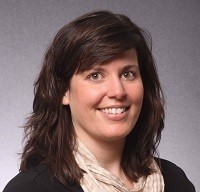 Dr Kristin Wustholz is an Associate Professor of Chemistry at William & Mary (USA), where her research group focuses on using spectroscopy to probe the optical and structural properties of chromophores in environments that are inherently complex. She received a Ph.D. in chemistry from the University of Washington in 2007, for her work examining molecular alignment and photophysics in dyed salt crystals. Her research as a postdoctoral fellow with Richard P. Van Duyne at Northwestern University focused on elucidating structure-property relationships in plasmonic materials using single-molecule and single-nanoparticle surface-enhanced Raman spectroscopy (SERS). In 2009 she was awarded the American Chemical Society Award for Excellence in Postdoctoral Research. Kristin joined the chemistry department at William & Mary in 2010, where her current research involves understanding the interfacial interactions and electron transfer properties of chromophores at semiconductor and metal interfaces for applications to solar energy conversion, super-resolution imaging, and art conservation. In 2016 she was awarded the Henry Dreyfus Teacher-Scholar Award.
Lab webpage
Zhimin Xue, PhD, Beijing Forestry University, China
 Zhimin Xue received her PhD degree from Renmin University of China in 2014. From 2018 to 2019, she was a visiting associate professor at the University of Tennessee, Knoxville. From 2024 to 2025, she was a visiting professor at Western Sydney University. She is currently a professor at the College of Materials Science and Technology, Beijing Forestry University. Her research interests cover the treatment and conversion of biomass, design and applications of green solvents. She has co-authored over 130 peer-reviewed scientific publications and three book chapters. Furthermore, she was awarded the Prize of Chinese Ministry of Education Natural Science Award(Second Class 2025), Liangxi Forestry Science and Technology Award (2019) and the Science and Technology Award of the China Association for Instrumental Analysis (2016). She was selected as the Top Youth talents of National Forestry and Grassland Administration in 2020 and the National High-level Talent Special Support Plan in 2021.
Personal webpage
Haiwang Yong, PhD, University of California San Diego, USA
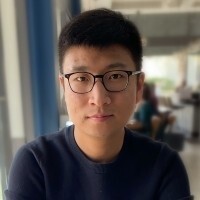 Prof. Yong is an assistant professor at University of California San Diego. He earned his Ph.D. in Chemistry from Brown University in 2021 and a B.S. in Physics from the University of Science and Technology of China in 2016. He previously served as a Postdoctoral Scholar at the University of California, Irvine from 2021 to 2023. He is a finalist for the LCLS Young Investigator Award at the SLAC National Accelerator Laboratory (2021) and a recipient of the Royal Society of Chemistry Faraday Division Horizon Prize (2021). His current research focuses on tracking quantum motions of electrons and nuclei in molecules using ultrafast diffraction and spectroscopic techniques.
Lab webpage
Wei Zhang, PhD, Jilin University, China
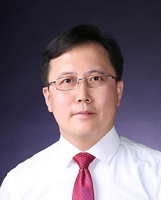 Dr Zhang is currently a full Professor (TANG Auchin Scholar-Leading Professor since 2020) and the director of the Electron Microscopy Center at Jilin University (China). He earned his PhD from the Institute of Metal Research, Chinese Academy of Sciences in 2004, for his work on clarification of microstructural evolution and mechanism of conventional materials under electropulsing. Then he held academic positions at the National Institute for Materials Science (Japan), Samsung Advanced Institute of Technology (South Korea), Fritz Haber Institute of the Max Planck Society (Germany), Technical University of Denmark, and CIC Energigune (Spain). In 2016, Dr Zhang was awarded Ikerbasque Research Professor. He discovered the battery-mimic mechanism and diffusionless phase transition-like conversion reaction promoted bulk-utilization in pseudocapacitance, and proposed a thin-film theory-based strategy of suppressing lithium dendrites via tuning surface energy. He was elected as deputy president for the Electron Microscopy Society of Jilin Province. His current research focuses on surface and interface chemistry of advanced materials toward applications in electrochemical energy storage and conversion, electrocatalysis, and heterogeneous catalysis.
Lab webpage
Jing Zhao, PhD, University of Connecticut, USA
orcid.org/ 0000-0002-6882-2196
 Dr. Jing Zhao is a Professor in the Chemistry Department at University of Connecticut. Dr. Zhao received her BS degree in Chemical Physics from University of Science and Technology of China in 2003. She received her PhD in chemistry from Northwestern University in 2008 under the supervision of Profs. George Schatz and Richard Van Duyne (deceased) studying plasmon-molecular resonance interaction. After that, she joined the laboratory of Prof. Moungi Bawendi (2023 Nobel Laureate in Chemistry) at Massachusetts Institute of Technology as postdoc working on fluorescence spectroscopy of single quantum dots. She became an assistant professor at UConn Chemistry in 2012 and is currently a tenured professor. She obtained the NSF Career Award in 2016, and was highlighted as emerging investigators by Materials Frontiers Chemistry, Journal of Materials Chemistry C in 2018, and won the Nano Research Young Innovators Award in Nanoenergy in 2019. Her current research interest includes plasmon-exciton interaction, electron and energy transfer from quantum dots to molecular acceptors, synthesis of metal and semiconductor nanoparticles, and their applications in catalysis and biological sensing and imaging.
Lab webpage
Xueyun Zheng, PhD, Pacific Northwest National Laboratory, USA
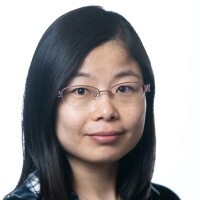 Dr. Zheng is a staff scientist in the Biological Sciences Division at Pacific Northwest National Laboratory (PNNL). She received her B.S. degree in Chemical Biology from Xiamen University and her PhD degree in Physical Chemistry from University of California Santa Barbara in 2015 studying Alzheimer’s disease related amyloid protein aggregation and small molecule inhibitor screening using state-of-the-art ion mobility spectrometry coupled with mass spectrometry. She joined the Integrative Omics group as a postdoc at PNNL, where she continued to develop mass spectrometry technology to study small molecules in biological and environmental systems. She worked as a research scientist in the Chemistry department at Texas A&M University for a short time before rejoining PNNL as a staff scientist in late 2019. More recently she has focused on development of mass spectrometry-based proteomics, metabolomic, and lipidomic analysis. Her research involves the development of high-throughput analytical platforms with high resolution separation and high structural specificity, with the goal to provide valuable insights into the biological and environmental systems.
Lab webpage
Interested in joining the editorial board?
We will be expanding our editorial board as the journal grows. If you are interested in becoming an Editorial Board Member for Communications Chemistry, please complete this form. Please note that your personal information, including name and email address, will be kept by the in-house editors for the sole purpose of identifying potential editorial board members. If you would like us to delete your information at any time, please contact us.
