
Editorial Board
Our Editorial Board Members are active researchers recognized as experts in their field. They handle manuscripts within their areas of expertise, overseeing all aspects of the peer review process from submission to acceptance. Editorial Board Members work closely with our in-house editors to ensure that all manuscripts are subject to the same editorial standards and journal policies. To learn more about our collaborative editorial model, read this October 2019 editorial from our sister journal Communications Biology.
It is the goal of Communications Engineering to work with and for the engineering communities. Our Editorial Board Members play an important role in developing the journal so that it addresses the specific publishing needs of all engineers.
Ali Behnood, PhD, University of Mississippi, USA
orcid.org/0000-0003-2537-1863
Research areas: Civil Engineering, Data Analytics, Construction Materials, Sustainability, Resilience, Transportation Engineering, Pavement Design, Geotechnical Engineering
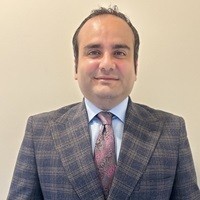 Dr. Ali Behnood serves as an assistant professor in the Department of Civil Engineering at the University of Mississippi. He earned his Ph.D. from the Lyles School of Civil Engineering at Purdue University, where he also spent three years as a post-doctoral research associate followed by two years as a research associate within the same institution. Prior to joining the University of Mississippi, Dr. Behnood gained valuable experience as a design engineer at the Indiana Department of Transportation. Dr. Behnood's research interests encompass the fields of data analytics, construction materials, transportation engineering, with a focus on advancing sustainable and resilient infrastructures and smart cities. He actively contributes to various committees of esteemed organizations such as the American Society of Civil Engineers, the Academy of Pavement Science and Engineering, and the Transportation Research Board. Dr. Behnood's scholarly contributions have garnered recognition, including being listed in the Clarivate™ list of Highly Cited Researchers™, ScholarGPS Highly Ranked Scholar, and being ranked among the Top 2% scientists globally. Additionally, his expertise has been acknowledged through his selection as an outstanding reviewer for esteemed journals, such as the ASCE Journal of Materials in Civil Engineering, for three consecutive years.
Lab webpage
Emanuela Bosco, PhD, University of Eindhoven, Netherlands
orcid.org/0000-0003-1985-2150
Research areas: multi-scale mechanics, multi-physics problems, fibrous materials, granular materials, degradation of cultural heritage materials, damage and fracture
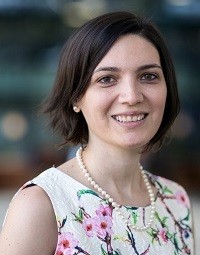 Emanuela Bosco is an Associate Professor in the Chair of Applied Mechanics at the Eindhoven University of Technology (TU/e). Her research focuses on multi-scale and multi-physics problems, including damage and fracture, the mechanics of fibrous and granular materials, cement degradation, and the mechanics of cultural heritage objects. Emanuela obtained her Ph.D. in Numerical Methods for Engineering from the University of Brescia (Italy) in 2013. Subsequently, she joined TU/e as a postdoc in the Mechanics of Materials group. She has spent different research periods abroad, at the Oak Ridge National Laboratory and MIT, USA. In 2017 and 2022, she was awarded two personal research grants (VENI and a VIDI) from the Dutch Research Council (NWO). She is also the project leader in other NWO projects. In addition, she has been the technical manager and WP coordinator in the European Project Horizon 2020 CollectionCare. Emanuela holds a Music-Diploma in Viola, obtained at the Conservatorium Marenzio in Brescia, Italy.
Lab webpage
Yu-Cheng Chen, PhD, Nanyang Technological University, Singapore
orcid.org/0000-0002-0008-5601
Research areas: biophotonics; nanophotonics; optical sensors; microlasers
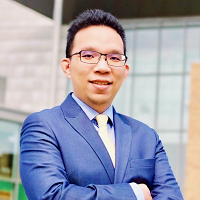 Dr. Yu-Cheng Chen is currently an assistant professor at School of Electrical and Electronics Engineering and in Nanyang Technological University, Singapore. He received a Ph.D degree in Biomedical Engineering from the University of Michigan, Ann Arbor in 2017 and worked as a postdoctoral fellow at the Michigan Center for Integrative Research in Critical Care before he joined Singapore. His research focused mainly on the development of novel photonic sensors, optical microcavity, biophotonics, bioimaging, and on-chip laser devices. He has already published more than 60 top journals and proceedings, which are widely reported by more than 200 media outlets worldwide. Being as the pioneer in the field of biolasers, Dr. Chen’s research group is devoted in inventing novel mechanisms to achieve tiny lasers with programmable and bio-intelligent functions for on-chip disease diagnosis, neuro-analysis, and cancer detection.
Lab webpage
Wan-Ting (Grace) Chen, PhD, University of Massachussetts at Lowell, USA
orcid.org/0000-0003-2294-1461
Research areas: Chemical recycling of plastic waste into fuels, polymers, and chemicals; Biofuel and biodegradable plastic material development; Microplastic pollution mitigation; Green solvent formulation.
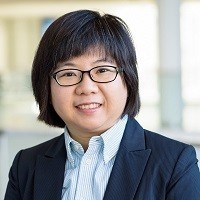 Wan-Ting (Grace) Chen is an assistant professor in the department of Plastics Engineering at the University of Massachusetts Lowell (UMass Lowell), where she directs the Plastics & Environment Research Laboratory. Grace received her B.Sc in Chemical Engineering from National Taiwan University, M.S. and Ph.D. in Agricultural and Biological Engineering from the University of Illinois at Urbana-Champaign, a postdoctoral training in Chemical Engineering from Purdue University. Her research group has extensive experience in the sustainability area. Prof. Chen’s current research focuses on four topics: 1) Chemical recycling of plastic waste into fuels, polymers, and chemicals, 2) Biofuel and biodegradable plastic material development, 3) Microplastic pollution mitigation, and 4) green solvent formulation. Her lab is equipped with reactors for hydrothermal processing of plastic waste and biowaste, as well as characterizations for fuel/polymers/thin films/microplastics. In addition, her lab also has a license to a specialized software, Hansen Solubility Parameters in Practice (HSPiP), to study polymer dissolution/precipitation behavior, coating removal, polymer diffusion, and packaging failure mechanisms. The Chen Group’s research program contributes to the development of new multi-disciplinary materials on the topic of plastic waste recycling, biobased/biodegradable plastic material, microplastics and safer solvents design. Prof. Chen is affiliated with American Institute of Chemical Engineers (AIChE), American Chemical Society (ACS), Society of Plastics Engineers (SPE), and American Society of Agricultural & Biological Engineers (ASABE). To date, she has published 30+ peer-reviewed articles, one book chapter, and one U.S. patent, with a total citation of 1800+ and an H-index of 21.
Lab webpage
Irene Dedoussi, PhD, University of Cambridge, UK
orcid.org/0000-0002-8966-9469
Research areas: Sustainable aviation, Combustion emissions, Environmental impacts, Alternative fuels, Systems design, Numerical modelling
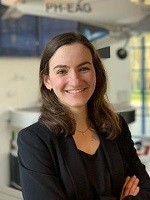 Dr Irene Dedoussi is an Associate Professor in the Department of Engineering at the University of Cambridge. Her research focuses on the environmental impacts of emissions from aviation and other energy and transportation sectors. Dr Dedoussi’s work aims to help make informed engineering, systems design, and operational and policy choices towards the sustainable growth of these sectors. Dr Dedoussi obtained her PhD in Aeronautics and Astronautics from MIT. She also holds an SM from MIT, and an MEng (Hons with Distinction) and a BA (Hons) in Engineering from the University of Cambridge.
Personal webpage
Danielle Densley Tingley, PhD, University of Sheffield, UK
orcid.org/0000-0002-2477-7629
Research areas: Circular Economy, Embodied Carbon, Built Environment, Buildings, Sustainability, Retrofit
 Danielle is a Senior Lecturer in the Department of Civil and Structural Engineering at the University of Sheffield, UK. She is a Director of the Urban Flows Observatory, leading research on understanding the use and stock of resources in cities. She is the principal investigator of the EPSRC funded grant 'multi-scale, circular economic potential of the non-residential building stock and the co-creator of regenerate - a tool that explores 'how circular is my building' - in order to engage design teams to embed circular economy strategies into building design. Danielle is passionate about reducing the impact of the built environment on the planet. She particularly focuses on methods to reduce the demand for new material use, e.g. through increased retrofit to extend building lifetimes and reduce operational carbon, as well as applying circular economy principles to new built environment design.
Personal webpage
Zhijie (Sasha) Dong, PhD, Southeast University, China
orcid.org/0000-0003-0979-812X
Research areas: transportation and logistics, optimization, machine learning, emergency management

Zhijie Dong (Sasha Dong), Ph.D., is a Junior Chair Professor at the School of Transportation, Southeast University. She is a recipient of the China National Young Talent Program. Dr. Dong received her Bachelor’s degree from Kuang Yaming College at Nanjing University in 2011, her Master’s degree in Civil Engineering from Columbia University in 2012, and her Ph.D. in Civil Engineering from Cornell University in 2015. In 2024, she joined Southeast University’s School of Transportation as a full-time Professor. Before returning to China, she was an Associate Professor in the Department of Construction Management and Industrial Engineering at the University of Houston and a Senior Operations Researcher at FedEx. She was recognized among the World’s Top Women in Supply Chain in 2022, one of the Top Ten Outstanding Young Chinese in the U.S. in 2021, and received the NSF CRII Award (mini CAREER) in 2020. Dr. Dong’s current research focus is on improving the efficiency of transportation and supply chain systems using machine learning and optimization. She has received numerous international academic awards from NSF, INFORMS, IISE, among others. Dr. Dong serves as Associate Editor of Sustainable Futures and as an Editorial Board Member for Frontiers in Future, Communications Engineering, and the Journal of Traffic and Transportation Engineering. She is also a Guest Editor for a few journals, including Sustainability and Natural Hazards. She holds/held leadership positions as the Chair of the Freight Transportation Section of the INFORMS Transportation Science and Logistics Society and Chair of the Logistics and Supply Chain Division of the Institute of Industrial and Systems Engineers (IISE). In recent years, she has led over ten research projects funded by organizations such as the U.S. National Science Foundation (NSF), Federal Highway Administration (FHWA), U.S. Department of Energy (DOE), International Logistics and Supply Chain Association, and Texas Department of Transportation, with total funding of approximately $3.5 million.
Personal webpage
Parisa Esmaili, PhD, Politecnico di Milano, Italy
orcid.org/0000-0002-4101-4981
Research areas: Electrical and optical measurement systems, sensors and instrumentation for industrial applications, diagnosis and prognosis of industrial assets, soft computing methods.
Parisa Esmaili was born in Marand, Iran, in 1988. She received the B.S. degree in electronics engineering from Azad University, (Urmia Branch), Iran in 2011, M.S. degree in electrical engineering from Universiti Teknologi Malaysia (UTM), Malaysia in 2014, and Ph.D in Electrical Engineering in 2020 from Politecnico di Milano, Italy. She pursued her research activity as a post-doc fellow to develop innovative sensors and measurement systems for Industrial and safety applications in Politecnico di Milano. She is currently a junior assistant professor (RTDA) in the Department of Electronics, Information and Bioengineering (DEIB) of Politecnico di Milano.
Lab webpage
Manabu Fujii, PhD, Tokyo Institute of Technology, Japan
orcid.org/0000-0001-7319-6014
Research areas: Environmental Engineering, Water Treatment, Environmental Conservation, Sustainable Development
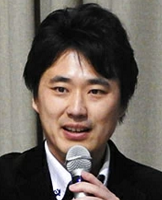 Manabu Fujii is an Associate Professor at the Department of Civil and Environmental Engineering, School of Environment and Society, Tokyo Institute of Technology, Japan. He received his doctoral degree from the Department of Civil Engineering, Graduate School of Engineering, Tohoku University in 2007 for his research on the trace metal dynamics in environmental waters. After he worked as a postdoctoral fellow of the Japanese Society for the Promotion of Science (JSPS, PD) for three years at Tohoku University and University of New South Wales, Australia, he moved to an Assistant Professor position at Tokyo Institute of Technology. Since 2015, he has been working as an Associate Professor at Tokyo Institute of Technology and visiting faculty member at Egypt-Japan University of Science and Technology (E-JUST, Egypt). His primary research interests include water science and engineering such as development of sustainable water and wastewater treatment technologies and the characterization of affected water environment, which are particularly relevant to SDG 6, SDG 11 and SDG14.
Lab webpage
Carmine Galasso, PhD, University College London, UK
orcid.org/ 0000-0001-5445-4911
Research areas: Catastrophe Risk Engineering, Civil and Structural Engineering, Uncertainty Modelling and Quantification
 Dr Carmine Galasso is the Professor of Catastrophe Risk Engineering in the University College London (UCL)’s Department of Civil, Environmental & Geomatic Engineering, UK. Before joining UCL, Carmine worked as a Catastrophe Risk Modeler at Applied Insurance Research (AIR) Worldwide, San Francisco, USA; and as a Postdoctoral Research Associate in the Department of Civil and Environmental Engineering at the University of California, Irvine, USA. He earned his MSc in Engineering Management (2007) and his PhD in Earthquake Engineering (2011) from the Università degli Studi di Napoli Federico II, Italy. Carmine’s research focuses on developing and applying probabilistic and statistical methods and computational/digital tools for catastrophe risk engineering and disaster risk reduction. He is investigating risks to building portfolios and infrastructure exposed to multiple natural hazards, including earthquakes, strong wind, and flooding, with particular emphasis on low-income countries and community-based infrastructure (schools, hospitals, heritage assets). The ultimate goal is to provide society with a sustainable, safer, and more resilient built environment through new engineering research and solutions. Carmine’s research is mainly funded by the UK Research Councils, the European Commission, the British Council, the World Bank and its Global Facility for Disaster Reduction and Recovery, the Motorola Solution Foundation, and the Willis Research Network. Carmine is a key investigator of the newly funded £20M Global Challenges Research Fund Urban Disaster Risk Hub by UK Research and Innovation, where he leads a Risk Working Group. The Hub works in a number of cities in the Global South, collaborating with local, national, and global organizations to strengthen disaster risk governance by undertaking integrated, multi-scale and cross-disciplinary research to better understand natural multi-hazard risk and its drivers.
Lab webpage
Yasaman Ghasempour, PhD, Princeton University, USA
Research areas: Wireless systems, Wireless security, Terahertz , millimeter-wave
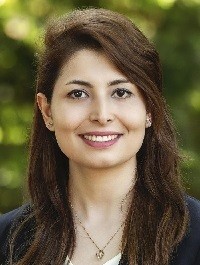 Yasaman Ghasempour is an Assistant Professor of Electrical and Computer Engineering at Princeton University. She received her Ph.D. and master’s degree from Rice University and her bachelor's degree from the Sharif University of Technology. Yasaman is the recipient of the NSF CAREER Award (2022), the 2020 Marconi Young Scholar Award, and the Excellence in Teaching Award (Princeton SEAS). Yasaman is listed as one of 10 stars worldwide in Computer Networking and Communications in 2022. Her group is focused on next-generation wireless networks and sensing systems, including novel devices and protocols for millimeter-wave and terahertz WLANs.
Lab webpage
Christina Harvey, MSc, PhD, University of California, Davis, USA
Research Areas: Biological aerodynamics and flight dynamics, morphing wings and aircraft, bio-inspired UAV design and control, experimental aerodynamics, in vivo studies of bird flight
 Dr. Christina Harvey is an Assistant Professor in Mechanical and Aerospace Engineering at UC Davis, where she leads the Biologically Informed Research and Design (BIRD) lab. Her group studies how, when, and why flying animals adjust to their environment with the goal of improving the maneuverability and adaptability of future uncrewed aerial vehicles (UAVs) as well as advancing our fundamental understanding of biological flight. She is a 2023 Packard Fellow and 2021 Amelia Earhart Fellow. She holds a PhD in Aerospace Engineering from the University of Michigan, a M.Sc. in Zoology from the University of British Columbia and a B.Eng. in Mechanical Engineering from McGill University.
Personal webpage
Inge Herrmann, PhD, ETH Zurich, Switzerland
orcid.org/0000-0002-3018-6796
Research areas: Materials Innovation, Biomedical Engineering, Advanced Analytics, Process Engineering
 Inge Herrmann is a chemical engineer with additional training in (pre)clinical research. After graduating with a PhD from ETH Zurich, she underwent further training at the University Hospital Zurich (USZ), the University of Illinois (US) and the Imperial College London (UK). Since 2015, she is heading a research group at Empa specialized on nanoscale materials and devices for healthcare. In 2019, Inge Herrmann joined the Department of Mechanical and Process Engineering at ETH Zurich where she is heading the Nanoparticle Systems Engineering Lab. She is an expert in nanoparticle synthesis and characterization, spectromicroscopy and translational nanomedicine. She has spearheaded several translational nanomedicine projects, and serves as a scientific advisor of the spin-off companies hemotune, anavo and veltist commercializing technologies emerging from her lab.
Lab webpage
Chaoran Huang, PhD, Chinese University of Hong Kong, China
orcid.org/0000-0001-6997-758X
Research areas: Optical computing and signal processing, integrated photonic circuits, optical communications
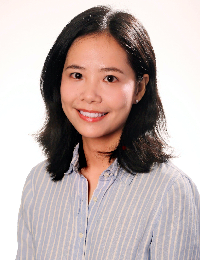 Chaoran Huang received the Ph.D. degree from the Chinese University of Hong Kong, Hong Kong, in 2016. She was a Postdoctoral Research Fellow at Princeton University, Princeton, NJ, USA, from 2017 to 2021. She is currently an Assistant Professor at the Chinese University of Hong Kong (CUHK), Hong Kong. She has wide research interests in optical computing, photonic integrated circuits, and optical communications. Her current research focuses on developing novel photonic devices, integrated circuits, and complementary algorithms for high-performance AI computing and information processing. She has been the co-chair and TPC member of several international conferences and is a frequent reviewer for different journals in IEEE, Optica, and the Nature Publishing Group. She was the recipient of the 2019 Rising Stars Women in Engineering Asia and Optica 20th Anniversary Challenge Prize.
Lab webpage
Josie Hughes, PhD, EPFL, Switzerland
orcid.org/0000-0001-8410-3565
Research areas: Soft robotics, manipulation, tactile sensing, agricultural robotics, computational design
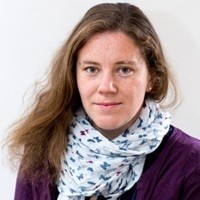 Josie Hughes is an Assistant Professor at EPFL where she established the CREATE Lab in the Institute of Mechanical Engineering in 2021. She undertook her undergraduate, masters and PhD studies at the University of Cambridge, joining the Bio-inspired Robotics Lab (BIRL). Her PhD focused on examining the role of passivity in bio-inspired manipulators, and methodologies for exploiting morphology soft large area soft sensing. Following this, she worked as a postdoctoral associate at the Computer Science and Artificial Intelligence Laboratory, Massachusetts Institute of Technology in USA in the Distributed Robotics Lab. Her research focuses on developing novel design paradigms for designing robot structures that exploit their physicality and interactions with the environment. This includes the development of robotic hands, soft manipulators and automation systems for applications focused on sustainability and science.
Lab webpage
Sunghoon Hur, PhD, KIST Electronic Material Research Center, Republic of Korea
orcid.org/0000-0001-6985-5937
Research areas: Thermal management, thermometry, energy harvesting, electrothermal phenomena, ferroelectrics
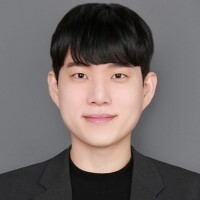 Sunghoon Hur is a senior research scientist at the Korea Institute of Science and Technology (KIST) after joining in 2020. He received his Ph.D. in Mechanical Engineering from the University of Michigan, Ann Arbor, USA, in 2019. He has a wide interest in thermal science, energy harvesting, and the electrothermal properties of ferroelectrics. Specifically, understanding the correlation between electrical, thermal, and mechanical stimuli in materials is of interest. Dr. Hur’s research group is devoted to measuring the characteristics and properties of energy-conversion materials.
Lab webpage
Manman Hu, PhD, The University of Hong Kong, China
orcid.org/0000-0001-5091-0289
Research areas: Environmental Geomechanics, Constitutive Modelling, Multi-physics Instability in Geomaterials, Pattern Forming Instability in Porous Systems
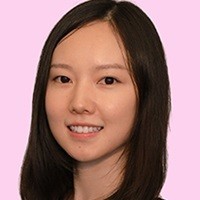 Dr. Man-Man Hu is an Assistant Professor in the Department of Civil Engineering, Faculty of Engineering, The University of Hong Kong (HKU). She holds a Ph.D degree in Geomechanics from Duke University (USA) in 2015 and a B.Eng degree from Zhejiang University (China) in 2009. Prior to joining HKU, Dr. Hu worked as Vice Chancellor’s Research Fellow at UNSW, Sydney (Australia). Dr. Hu’s research work has been focusing on the interdisciplinary field of Environmental Geomechanics driven by modern-day geo-engineering activities, emphasizing on the fundamental understandings of the behaviour of geomaterials (soils and rocks) in response to environmental perturbations of various sorts. Her research group focuses on tackling the multi-scale Multiphysics THMC (thermal-hydro-mechanical-chemical) processes in geomaterials concerning cracks, instability and localization, which play an essential role in a wide range of geoenvironmental and geoenergy circumstances pertinent to carbon neutrality and geo-engineering adaptation to Climate Change, including enhanced geothermal systems (EGS), Carbon Capture Utilisation and Storage (CCUS), unconventional resources recovery, sediment aging, geochemical inception of land motion, effect of ocean acidification, emerging geomaterials for sustainability and resilience, etc.
Lab webpage
Helena Junicke, PhD, Technical University of Denmark, Denmark
orcid.org/0000-0002-2513-2486
Research areas: Green chemical production, Mixed and pure culture fermentation, Process scale-up/down, Mechanistic and data-driven modeling, Thermodynamics, Process analytical technology
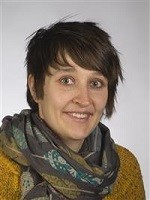 Assistant Prof. Dr. Helena Junicke leads a group in Fermentation Scale Translation (scale-up/scale-down) at the Technical University of Denmark and is an expert for the design and analysis of sustainable bio-processes with a particular focus on producing biofuels and high-value chemicals from various sources. Helena obtained her Master’s degree in Biochemistry from Free University Berlin and holds a PhD in Environmental Biotechnology from Delft University of Technology. During her PhD, she studied the fundamental kinetic and thermodynamic regulation of interspecies electron transfer during biogas formation. As Marie Skłodowska-Curie postdoctoral fellow (H.C. Ørsted Fellows Programme), she combined lab fermentations and advanced process simulations to elucidate green chemical production in mixed microbial cultures across scales. Helena has gained industry experience within several companies, including her own firm developing data science solutions for the bio-based industry.
Lab webpage
Yan Li, PhD, The Pennsylvania State University, USA
Research Areas: Cyber-physical energy systems, quantum computing, machine learning, data-driven modeling and control, stability, resilience analysis, cybersecurity
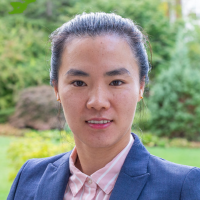 Dr. Yan Li received her Ph.D. degree from the University of Connecticut, Storrs, CT, U.S., in 2019. She also received a Ph.D. degree from Tianjin University, Tianjin, China, in 2013. Both are in electrical engineering. She is currently a Charles H. Fetter Endowed Fellow Assistant Professor at the School of Electrical Engineering and Computer Science at Pennsylvania State University, University Park, PA, U.S. Dr. Li has received several prestigious awards, including the Outstanding Service Award of the IEEE Computer Society Annual Symposium on VLSI, IEEE Power and Energy Society Outstanding Engineer Award, etc. She also serves as an IEEE representative for the Quantum Economic Development Consor-tium and chairs the IEEE Power and Energy Society Quantum Task Force.
Personal webpage
Pengfei Liu, PhD, Wuhan University, China
orcid.org/0000-0003-2158-5442
Research areas: Offshore renewable energies, green and net-zero clean maritime operations, propeller-propfan hydro-aerodynamics, numerical/CFD tool development and simulation, and experimental testing of propulsors, high-performance computing (HPC), including cloud computing in marine hydrodynamics, AI and Digital Twin enabled marine propulsion and renewable energy turbines performance evaluation, design and optimisation, artic class propeller design and optimisation coupled strength/integrity with hydrodynamic performance, novel maritime technology and new energy-saving device invention and R&D.
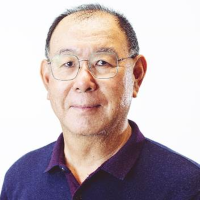
Pengfei (Leo) Liu is currently a Distinguished Professor in the School of Naval Architecture, Ocean, Energy and Power Engineering at Wuhan University of Technology, China, establishing and leading a research team of around 20 academic staff members. He is also a Fellow of the American Society of Naval Architects and Marine Engineers (SNAME), a Fellow of the Royal Institute of Naval Architects (RINA) and a Fellow of the Canadian Academy of Engineering (CAE). He received his B.Eng. degree in Naval Architecture and Ocean Engineering (NAOE) from Wuhan University of Technology, China, and his M.Eng. and PhD in NAOE at Memorial University of Newfoundland, Canada. He was a Senior Research Officer (SRO) at the National Research Council Canada, where he worked for about 20 years. He joined Newcastle University as a Professor of Marine Hydrodynamics in 2019. He has served as an adjunct professor/researcher at Memorial University of Newfoundland (2000-2016), China Ocean University (2002-2005), Institute of Mechanics, Chinese Academy of Sciences (2005-2008), Harbin Engineering University, China (2008-2010), Australian Maritime College, the University of Tasmania (2019-2022), Harbin Institute of Technology Weihai (2017-2021), distinguished adjunct professor of Nanjing University, China (2023-2026), and standing member of the Academic Committee of the Chines Institution of Navigation.
Charles Mackin, PhD, IBM Research, USA
orcid.org/0000-0001-8413-5583
Research areas: Analog in-memory compute, 2D materials, sensors
 Charles Mackin obtained his Ph.D. in Electrical Engineering & Computer Science at Massachusetts Institute of Technology in 2018 developing graphene chemical and biological sensor systems. He is a Senior Research Scientist at IBM Research – Almaden working on algorithmic and hardware modeling aspects of analog in-memory compute for the acceleration of deep neural networks. He also works on large language models for code explanation and generation tasks specific to hardware description languages and electronic design automation.
Lab webpage
Massimo Mastrangeli, PhD, Delft University of Technology, The Netherlands
orcid.org/0000-0003-3265-5768
Research areas: organ-on-chip, microphysiological systems, microfabrication, MEMS, self-assembly, micromanipulation
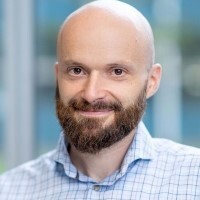 Massimo Mastrangeli is an Associate Professor in the department of Microelectronics of TU Delft (the Netherlands), where he investigates the design and fabrication of innovative microelectromechanical organ-on-chip devices and processes for ultra-high throughput assembly of microcomponents. Massimo received B.Sc. and M.Sc. degrees cum laude in Electronic Engineering from Universitá di Pisa, (Pisa, Italy) with specialization in microsystems, and the Ph.D. degree in Materials Engineering from University of Leuven (Leuven, Belgium) with a dissertation on fluidic self-assembly of microsystems. As post-doctoral researcher, he later joined the École Polytechnique Fédérale de Lausanne (EPFL, Switzerland) to study the convergence of micro/nanosystems and distributed robotics into smart minimal agents, the Université Libre de Bruxelles (ULB, Belgium) to investigate surface tension-based micromanipulation and nanoparticle assembly, and the Max Planck Institute for Intelligent Systems and Max Planck ETH Center for Learning Systems (Stuttgart, Germany) to focus on soft micro-robotics, bio-inspired adhesion, and programmable self-organization. Massimo is currently also Guest Lecturer at the EDMI Doctoral School of EPFL and board member of the EUROoCS.
Lab webpage
Or Perlman, PhD, Tel Aviv University, Israel
orcid.org/0000-0002-3566-569X
Research areas: Medical Imaging, MRI, AI, Machine Learning, Cancer, Neurological Disorders, Neuroscience, Molecular Imaging
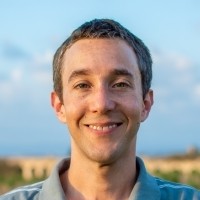 Dr. Or Perlman is a Senior Lecturer (Assistant Professor) at the Department of Biomedical Engineering and Sagol School of Neuroscience, Tel Aviv University (TAU), Israel. He received his BSc (Cum Laude) and MSc (Cum Laude) from Ben-Gurion University and his PhD from the Technion, Israel, all in Biomedical Engineering. Before TAU, He was a Postdoctoral Research Fellow at the Department of Radiology, Harvard Medical School, and Massachusetts General Hospital. Dr. Perlman is the head of the molecular MRI and translational machine intelligence (MOMENTUM) lab, which aims to develop clinically relevant molecular MRI methods for the early diagnosis and characterization of neurological diseases.
Lab webpage
Damien Querlioz, PhD, Université Paris-Saclay, France
orcid.org/0000-0002-0295-1008
Research areas: nanoelectronics, spintronics, neuromorphic engineering
 Damien Querlioz is a CNRS Researcher at the Centre de Nanosciences et de Nanotechnologies of Université Paris-Saclay. His research focuses on novel usages of emerging non-volatile memory and other nanodevices, in particular relying on inspirations from biology and machine learning. He received his predoctoral education at Ecole Normale Supérieure, Paris and his PhD from Université Paris-Sud in 2009. Before his appointment at CNRS, he was a Postdoctoral Scholar at Stanford University and at the Commissariat a l'Energie Atomique. Damien Querlioz is the coordinator of the interdisciplinary INTEGNANO research group, with colleagues working on all aspects of nanodevice physics and technology, from materials to systems. He is a member of the bureau of the French Biocomp research network. In 2016, he was the recipient of an ERC Starting Grant to develop the concept of natively intelligent memory. In 2017, he received the CNRS Bronze medal. He has also been a co-recipient of the 2017 IEEE Guillemin-Cauer Best Paper Award and of the 2018 IEEE Biomedical Circuits and Systems Best Paper Award.
Personal webpage
Ahsan Ul Haq Qurashi, PhD, Khalifa University, United Arab Emirates
orcid.org/0000-0001-7892-253X
Research areas: Advanced Materials, Materials Chemistry, Energy Storage, Electrocatalysis
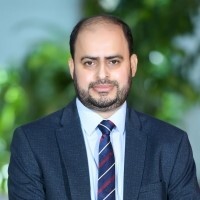 Ahsanulhaq Qurashi. Dr. Ahsan is Associate Professor in Department of Chemistry and Founding director of Advanced Materials Chemistry Center (AMCC) in Khalifa University. He received his PhD in 2008 Jeonbuk National University, South Korea, and completed post doctorate fellowship from Toyama University, Japan (2008-2010). He served as faculty in KFUPM from 2010-2019. He also remains visiting faculty in EPFL Switzerland, Tokyo University and Nagoya University, Japan. He is trained as nanotechnologist and published more than 125 articles in peer reviewed SCI journals, presented over 75 papers in international conferences proceedings various invited talks and keynote speaker worldwide. He contributed 7 book chapters and edited book on “Metal Chalcogenide Nanostructures for Renewable Energy Applications” and hold 6 patents (USPTO) as inventor and co-inventor on new materials for clean energy applications. His research focus is on new functional nanomaterials development, investigate structure-property relationship for energy conversion devices and systems such as green hydrogen production, carbon dioxide conversion into clean fuels, energy storage (electrodes and electrolytes) applications. He is editorial board member of Materials Research Bulletin, Scientific Report, and Energy and Environmental Materials. He is member of Mohamed Bin Rashid Academy of Science (MBRAS) and fellow of Royal Society of Chemistry (FRSC).
Lab webpage
Said Elias, PhD, LUH Hannover, Germany
orcid.org/0000-0002-8231-9765
Research areas: Reliability and risk assessment of resilient civil structures, Structural health monitoring, Performance improvement of structures , Optimizations Application of artificial intelligence (AI) in smart structures

Lab webpage
Hamed Rahmani, PhD, New York University (NYU), USA
Research Areas: Wireless communication, microwave engineering, antennas, bioelectronics, integrated circuits, remote sensing, electronics, wireless power transmission, reconfigurable intelligent surfaces.
 Hamed Rahmani is an Assistant Professor of Electrical and Computer Engineering at New York University (NYU). He earned his Ph.D. in Electrical and Computer Engineering from the University of California, Los Angeles (UCLA), an M.Sc. from Rice University, Houston, TX, and a B.Sc. from Sharif University of Technology, Tehran, Iran. Before joining NYU, Dr. Rahmani held various industry and research positions. As a research scientist at the IBM T. J. Watson Research Center in Yorktown Heights, he worked on high-speed electrical and optical interconnects. He also served as a senior RFIC design engineer at Qualcomm Inc., contributing to advanced 5G transmitters for cellular applications and RF front-end designs. In academia, he was an Adjunct Professor at Columbia University in New York, NY, and a visiting lecturer at Princeton University, where he taught graduate-level courses in analog and RF circuit design. Dr. Rahmani is the recipient of the prestigious NSF CAREER Award (2025) and numerous other honors, including the IEEE MTT-S Graduate Fellowship for medical applications and the Texas In-struments Distinguished Fellowship. His contributions have also been recognized with the 2023 Best Paper Award in the Journal of Microwave.
Personal webpage
Jordan Raney, PhD, University of Pennsylvania, USA
orcid.org/0000-0001-5329-9980
Research areas: mechanical metamaterials, advanced manufacturing, nonlinear dynamics
 Prof. Jordan Raney is a member of the faculty in the Department of Mechanical Engineering and Applied Mechanics at the University of Pennsylvania. His research group is primarily experimental, and focuses on advanced manufacturing techniques, nonlinear dynamics of mechanical metamaterials, and failure of composites and structures. He holds bachelors degrees in physics and computer science from the University of Minnesota and master's and PhD degrees in materials science from Caltech.
Lab webpage
Reza Razzaghi, PhD, Monash University, Australia
orcid.org/0000-0003-1143-8334
Research areas: Smart grids, power systems, Distributed Energy Resources
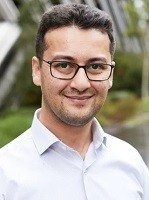 Reza received his Ph.D. degree from the École Polytechnique Fédérale de Lausanne (EPFL), Lausanne, Switzerland, in 2016. He is currently an Assistant Professor in the Electrical and Computer Systems Engineering department at Monash University. His research aims to develop smart grid solutions to efficiently deliver sustainable, economic and secure electricity supply. His research team is particularly interested in the integration of distributed energy resources (DERs) in power networks, monitoring and visibility of power networks, and power system protection. Dr. Razzaghi has been the recipient of multiple prestigious awards including the 2019 Best Paper Award of the IEEE Transactions on Electromagnetic Compatibility and the IEEE Power and Energy Society Basil Papadias Award.
Personal webpage
Alessandro Rizzo, PhD, Politecnico di Torino, Italy
orcid.org/0000-0002-2386-3146
Research areas: Complex networks and systems, modeling and control of complex and nonlinear systems, epidemic models, cooperative and networked robotics
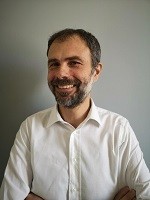 Alessandro Rizzo received is Ph.D. in Electronics and Automation Engineering from the University of Catania, Italy, in 2000. He is currently an Associate Professor in the Department of Electronics and Telecommunications of Politecnico di Torino, where he established and directs the Complex Systems Laboratory. He conducts and supervises research on complex networks and systems, modeling and control of nonlinear systems, and cooperative robotics. Dr. Rizzo is also a Visiting Professor at the Institute for Invention, Innovation, and Entrepreneurship of the New York University Tandon School of Engineering. He is the author of one book, two international patents, and more than 180 papers on international journals and conference proceedings. He was a recipient of the Award for the Best Application Paper at the IFAC world triennial conference in 2002 and of the Award for the Most Read Papers in Mathematics and Computers in Simulation (Elsevier) in 2009. He also was a Distinguished Lecturer of the IEEE Nuclear and Plasma Science Society and one of the recipients of the 2019 Amazon Research Awards in robotics.
Lab webpage
Sandra Rugonyi, PhD, Oregon Health & Science University, USA
orcid.org/0000-0001-9262-7959
Research areas: Hemodynamics, heart development, congenital heart disease, computational continuum mechanics methods, image analysis
 Sandra Rugonyi is Professor of Biomedical Engineering at the Oregon Health & Science University (OHSU), in Portland, Oregon, USA. Prof. Rugonyi has expertise in cardiovascular biomechanics and computational modeling and integrates experimental and computational tools in her research. Her career started in Argentina, where she got an MS-equivalent degree in Nuclear Engineering from the Balseiro Institute. After working for a nuclear power plant and then a steel company, she moved to the USA, where she earned a PhD in Mechanical Engineering from MIT that focused on advanced numerical methods for fluid-structure interaction problems. In 2005 Dr. Rugonyi joined the Biomedical Engineering department at OHSU, and since then she has applied mechanical engineering principles to better understand physiological and pathophysiological blood flow dynamics with a focus on heart development and congenital heart disease. Prof. Rugonyi has contributed to fundamental understanding of hemodynamic regulation on heart formation.
Lab webpage
Maria Sakovsky, PhD, Stanford University, USA
orcid.org/0000-0002-3683-8505
Research areas: active structures; composite materials; reconfigurable antennas
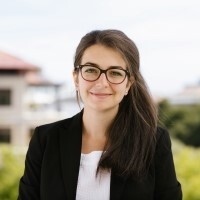 Maria Sakovsky is an Assistant Professor in the Aeronautics and Astronautics Department at Stanford University. Her work studies aerospace structures with reconfigurable geometry, stiffness, and non-mechanical performance to enable response to unknown environments. She received her BSc in Aerospace Engineering from the University of Toronto and MSc and PhD in Space Engineering at Caltech, where she developed a deployable satellite antenna based on composite material origami. She was awarded the ETH Zürich postdoctoral fellowship to investigate reconfigurable antennas based on mechanical metamaterials.
Lab webpage
Liwen Sang, PhD, Fudan University, China
orcid.org/0000-0003-0946-1025
Research areas: MEMS/NEMS, semiconductor, optoelectronic devices, thermal management.
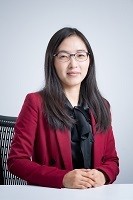 Liwen Sang is a Professor at Fudan University, China. She received her Ph.D in Semiconductor Physics from Peking University. In 2014, she obtained a permanent position at the ----------------------National Institute for Materials Science (NIMS) as Independent Scientist. In 2024, she was promoted to professor at Fudan University, China. She was supported by the Precursory Research for Embryonic Science and Technology (PRESTO) at Japan Science and Technology Agency (JST), and was the PRESTO researcher from 2012 to 2016, and 2019-2023. Her research focuses on the interface engineering of III-V nitride semiconductors, modulating band diagrams, carriers and phonons transportation, and developing high-performance optoelectronic devices and MEMS/NEMS devices.
Lab webpage
Cecília de Carvalho Castro Silva, PhD, Mackenziea Presbyterian University, Brazil
orcid.org/0000-0003-3933-1838
Research areas: Two-dimensional materials, biosensors, microelectronics, microfluidics
Cecília C. C. Silva holds a Ph.D. in Chemistry from the State University of Campinas (Unicamp) (2015) in Brazil, with an internship period at The State University of New Jersey - Rutgers (USA). Her academic journey has been marked by a commitment to advancing the field of nanotechnology and graphene-based biosensors. Since 2016, she has been an assistant professor at Mackenzie Presbyterian University and an associate researcher at MackGraphe - Mackenzie Institute for Research in Graphene and Nanotechnologies, located in São Paulo, Brazil. She served as a visiting professor in the Nanobioelectronics and Biosensors Group at the Catalan Institute of Nanoscience and Nanotechnology (ICN2) in Barcelona, Spain (Feb 2020 to Jun 2021), where she developed graphene-based electrical biosensors for pathogen detection, contributing significantly to the intersection of nanoscience and healthcare. In 2016, Forbes Brazil included Cecilia Silva in the list ""30 Under 30 Brazil,"" recognizing her as among the 30 most talented individuals under the age of 30. The research group led by Cecilia Silva specializes in the synthesis and functionalization of two-dimensional materials and exploring microfluidics and microelectronics to develop biosensors for the healthcare, environmental, and agriculture sectors. Her efforts at the MackGraphe Institute extend beyond academia, where she actively collaborates with industry partners, driven by a vision to connect academic research on 2D materials with real-world impact. Cecilia is also a vocal advocate for women in STEM.
Lab webpage
Liangfei Tian, PhD, Zhejiang University, China
orcid.org/0000-0003-4340-2598
Research areas: soft matter engineering, acoustic engineering
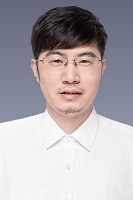 Dr. Tian is now an assistant professor in department of biomedical engineering, and a fellow of “100 Talent Program” at Zhejiang University. Dr. Tian did his bachelor studies at Lanzhou University (China), master studies at Nanjing University (China). He then earned his PhD in department of materials at ETH Zürich (Switzerland), and worked in Universität Konstanz (Germany) and University of Bristol (UK) as a Postdoc researcher. In the past, Dr. Tian has been involved several research projects in the field of biology-inspired functional materials. In Zhejiang University, Dr. Tian’s research focuses on the development biological-inspired chemical system for biomedical applications.
Personal webpage
Jianhua (Joshua) Tong, PhD, Clemson University, USA
orcid.org/0000-0002-0684-1658
Research areas: Energy Materials, Energy Devices, Hydrogen Production, Advanced Manufacturing, Laser Processing
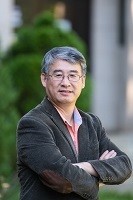 Joshua Tong is an associate professor in the Department of Materials Science and Engineering, Clemson University. He earned his Ph.D. in Physical Chemistry at the Dalian Institute of Chemical Physics (CAS) in 2002. Before joining Clemson, he worked in the sustainable clean energy field for about 15 years at the Research Institute of Innovative Technology for the Earth, National Institute of Advanced Industrial Science and Technology, University of Cincinnati, California Institute of Technology, and the Colorado School of Mines. Dr. Tong is leading the Sustainable Clean Energy Laboratory (SCEL) at Clemson. His research focuses on the creation, synthesis, understanding, and engineering of energy materials (e.g., solid state ionics) and the design, fabrication, and demonstration of energy devices (e.g., fuel cells, electrolysis cells, membrane reactors, solid state batteries, thermochemical reactors, and electrochemical sensors). His interested methodologies are additive manufacturing (3D printing), laser processing, reactive sintering, cold sintering, electrochemical synthesis, and additive-assisted synthesis. His interested applications are hydrogen and electricity production, solar fuels production, sustainable ammonia synthesis, natural gas/biogas to value-added chemicals, and carbon dioxide capture/utilization.
Lab webpage
Haozhe "Harry" Wang, PhD, Duke University, United States
https://orcid.org/0000-0001-5123-1077
Research areas: 2D materials, atomic layer etching, 3D integration, soft robotics
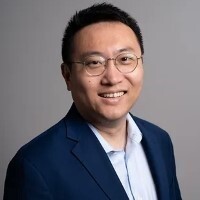 Dr. Haozhe "Harry" Wang is currently an Assistant Professor in Electrical and Computer Engineering at Duke University. Before joining Duke University in 2023, he was a KNI Prize Postdoctoral Fellow at the California Institute of Technology. He earned his Ph.D. from MIT's EECS in 2020 and furthered his research as a postdoctoral scholar at MIT AeroAstro through 2021. Dr. Wang specializes in atomic layer engineering of electronic and quantum materials for advanced device applications. He has authored over 35 peer-reviewed publications in prestigious journals such as Nature Photonics, Nature Energy, Nature Communications, and Matter. He has been recognized with the 2022 MRS Spring Meetings Best Poster Award, the 2021 KNI Prize Postdoctoral Fellowship, and the 2020 MIT Quantum Hackathon Creative Award.
Lab webpage
Shunan Wu, PhD, Sun Yat-sen University, China
orcid.org/0000-0003-4644-569X
Research areas: spacecraft dynamics and control, space robot, in-space servicing and assembly, robust and nonlinear control
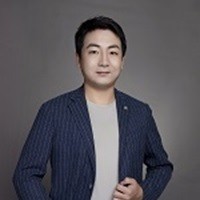 Dr. Shunan Wu is an associate professor in the School of Aeronautics and Astronautics at Sun Yat-sen University (SYSU), China. He received the Ph.D. degree in aerospace engineering at Harbin Institute of Technology, China, including a one-year exchange in University of Glasgow, UK. Before joining SYSU, he worked as an associate professor at Dalian University of Technology, China. His research interests include spacecraft dynamics and control, space robot, space mission design and optimization, in-space servicing and assembly, robust and nonlinear control, and machine learning. He is the author of more than 60 papers on international journals and conference proceedings, and is the editorial board member of other two academic journals. Dr. Wu has been the recipient of multiple prestigious awards and honorary titles, such as Natural Science Academic Achievement Award of Liaoning Province, Outstanding Reviewer of Aerospace Science and Technology, Best Conference Paper Award of 4th Deployable Space Structures Conference, and etc.
Lab webpage
Amit Yadav, PhD, Aston University, United Kingdom
orcid.org/0000-0001-7865-6905
Research areas: Semiconductor Lasers, Ultrafast Lasers, THz, photoconductive antennas, III-V LEDs, doped fibers
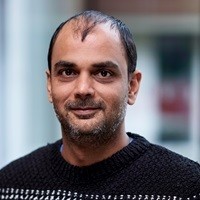 Dr. Amit Yadav received his M.Sc. degree in Electronics and Electrical Engineering from the University of Glasgow in 2009 and his Ph.D. degree from Aston University in 2017. He is currently a Research Fellow with the Optoelectronics and Biomedical Photonics Group at Aston University. His research interests include optoelectronic devices, laser physics, frequency combs, and integrated photonics. Dr. Yadav has extensive experience in ultrafast semiconductor laser development, including edge-emitting quantum dot mode-locked lasers, quantum well lasers, Q-switched lasers, and optically pumped continuous-wave and mode-locked vertical external cavity surface-emitting lasers (VECSELs). He is also proficient with electrically pumped VECSELs, quantum dot photoconductive antennas (QD PCA) for THz generation, erbium fiber amplifiers, laser machining, and quantum cascade lasers (QCLs). Additionally, Dr. Yadav has expertise in semiconductor fabrication and on-wafer electrical characterization. He is well-versed in the optical and electrical characterization of both quantum dot and quantum well III-V devices.
Lab webpage
Narges Yaghoobi Nia, PhD, Sapienza University of Rome, Italy, and EPFL, Switzerland
orcid.org/0000-0001-6851-5156
Research areas: Photovoltaics, perovskite solar module and panel, aerospace engineering, semiconductors, conjugated polymers, electrochemistry, printed electronics
 Narges Yaghoobi Nia holds Ph.D. in Electronics Engineering in 2017.She was awarded in 2014 a MARIE CURIE Fellowship as a part of the EU-funded project (Destiny FP7/2007–2013). She is founder of the PVSPACE Organisation. She is currently Principal investigator of P4SPACE project in Aerospace Engineering School of Sapienza University of Rome, Italy and EPFL University in Lausanne, Switzerland. She was member, key Person and task leader of VIPERLAB project (EU Horizon 2020 research and innovation programme). She has also the role of Communication Manager in the NEXTCCUS project (Next Generation Electrochemical System for Sustainable Direct CO2 Capture and Utilization/Storage as Clean Solar Fuel) ERA-NET ACT 2021. She is also Scientific responsible of CHOH – D project (Italian industrial project for CO2 reduction) in Italy. . She was an Assistant Professor in the Department of Electronics Engineering, University of Rome Tor Vergata. She has more than 11 years’ experience in the fields of emerging thin film PVs (especially perovskite solar cells/modules, tandem solar Module for terrestrial and aerospace applications) and electrochemistry of polymeric layers. She was a member of ESPRESSO, ENEA, PRIN and PERSEO projects and collaborator for the ASI (Italian Space Agency) projects. She published more than 50 scientific papers in international journals, books and chapters in addition to two patents relevant to perovskite PVs and electrochemical reactors. She has expertise for organizing the conferences and workshops e.g. PVSPACE-23, PVSPACE-2022 conference and PEROSPACE-2022 workshop relevant to photovoltaics for space applications.
Lab webpage
Jiangong Zhu, PhD, Tongji University, China
orcid.org/0000-0002-3780-4286
Research areas: electric vehicles; lithium-ion batteries; battery degradation; lifetime management; state estimation; battery modeling;
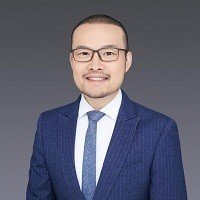 Dr. Jiangong Zhu is an Associate Professor in the School of Automotive Studies at Tongji University, China. He received the Ph.D. degree in automotive engineering at Tongji University. He was a Post-Doctoral Researcher at the Institute for Applied Materials at the Karlsruhe Institute of Technology (KIT) in Germany. He is a “Humboldtians” Fellow from the support of Humboldt Foundation and a DAAD (Deutscher Akademischer Austausch Dienst) fellow. His research interests include electric vehicles, lithium-ion batteries, battery lifetime and safety management, state estimation, and battery modeling. His current research focus is on applying the ex-situ (post-mortem analysis) and in-situ methods (e.g., impedance, neutron powder diffraction) to investigate the battery degradation, and inventing new science methods (e.g., machine learning and optimization) to prognose the battery state of health and manage the power battery lifespan. His research has been sponsored by National Natural Science Foundation of China and awarded “Shanghai Overseas High-Level Talent Recruitment Program” in 2021.
Lab webpage
Quan Zhou, Tongji University, China
Prof Quan Zhou is Professor of Automotive Engineering and NSFC International Fellow with the School of Automotive Studies at Tongji University, Shanghai, China. He is also an honorary professor (associate) at the University of Birmingham, Birmingham, UK. His research interests are fuzzy inference, evolutionary computation, and machine learning and their applications on design and control of intelligent vehicles. He has been instrumental in the successful delivery of several government and industry research projects (e.g., EP/J00930X/1, EP/N021746/1, Innovate UK 102253) and established expertise in dedicated AI systems for automotive engineering. His research outcomes have received many national and international awards including the UK Innovation to Commercialization of University Research Award and the Nature Science Foundation of China (NSFC) Fellowship for International Researchers.
Lab webpage
