
Editorial Board
Editorial Board Members work closely with our in-house editors to ensure that all manuscripts are subject to the same editorial standards and journal policies. Our Editorial Board Members are active researchers recognized as experts in their field. They handle manuscripts within their broad areas of expertise, and oversee all aspects of the peer review process from submission to acceptance.
Editorial Board Members
Felipe Andrade, MD, PhD, Johns Hopkins University, USA
orcid.org/0000-0003-3415-0704
Research areas: Autoimmune diseases
 Dr. Felipe Andrade is an Associate Professor of Medicine in the Division of Rheumatology at the Johns Hopkins University School of Medicine. He is a rheumatologist with a PhD in immunology. His research has sought to define mechanisms that drive the initiation and propagation of autoimmune diseases, with a special focus on the origins, specificity and function of autoantibodies in human autoimmune rheumatic diseases. These include identifying mechanisms involved in the production of autoantigens, discovering novel autoantibodies, defining the effector function of autoantibodies using patient-derived monoclonal antibodies, and determining the relationship of autoantibodies with clinical and molecular phenotypes in both rheumatoid arthritis and systemic lupus erythematosus.
Personal webpage
Shiu Lun Ryan Au Yeung, MPH, PhD, The University of Hong Kong, Hong Kong SAR
orcid.org/0000-0001-6136-1836
Research areas: Alcohol; Cardiovascular diseases; Epidemiology; Mendelian randomization; Type 2 Diabetes
 Ryan Au Yeung (MPH (HKU), PhD (HKU)) is currently an Assistant Professor at the School of Public Health, LKS Faculty of Medicine, The University of Hong Kong. He is interested in the use of Mendelian randomization to identify causes and consequences of cardiovascular diseases and type 2 diabetes, and to explore drug reposition opportunities. His earlier research focused on exploring the causal role of alcohol in cardiovascular diseases and mental health using ALDH2 polymorphism in a Southern Chinese Biobank (Guangzhou Biobank Cohort Study). His recent work involves the use of UK Biobank and summary statistics from genome wide association studies to explore pleiotropic effects of commonly prescribed medications in cardiovascular diseases and diabetes (e.g. metformin). With the COVID-19 pandemic, he is also using Mendelian randomization to explore determinants (e.g. glycaemic traits) contributing to COVID-19 susceptibility. Ryan Au Yeung is currently one of the academic leads of the “Children of 1997” birth cohort in Hong Kong, where he is responsible for curating the genomic and metabolomic data
Personal webpage
Ahmad Abou Tayoun, PhD, DABMGG, Al Jalila Children’s Specialty Hospital, UAE
orcid.org/0000-0002-9134-1673
Research areas: Genomics; Genetics of disease; Rare disorders; Bioinformatics; Clinical Molecular Genetics
 Ahmad Abou Tayoun is the Director of the Genomics Center of Excellence at Al Jalila Children’s, and an Associate Professor of Genetics at Mohammed Bin Rashid University of Medicine and Health Sciences. He completed his doctoral studies in genetics at Dartmouth College, followed by a fellowship in molecular diagnostics at Dartmouth Medical School. In 2013, he joined Harvard Medical School where he completed his clinical molecular genetics fellowship and, in 2015, became board-certified by the American Board of Medical Genetics and Genomics (ABMGG). Dr. Abou Tayoun is a fellow of the American College of Medical Genetics and Genomics (ACMGG). Prior to joining Al Jalila Children’s, he was a director in the Division of Genomic Diagnostics at the Children’s Hospital of Philadelphia, and also an assistant professor of Pathology and Laboratory Medicine at the University of Pennsylvania Perelman School of Medicine. Dr. Abou Tayoun’s main research interests are centered around characterizing the genomic landscape of pediatric diseases in the Middle East and cataloguing the normal genetic variation in this population. Dr. Abou Tayoun serves on several expert groups in his field. He is a co-chair of the Clinical Genome Resource (ClinGen) Hearing Loss Expert Group, a member of the ClinGen Sequence Variant Interpretation (SVI) group and a member of the American College of Genetics and Genomics Interpreting Sequence Variants (ISV) workgroup. In those capacities, Dr. Abou Tayoun is working with international experts to establish guidelines and recommendations for sequence variant interpretation in genomic diagnostic settings.
Personal webpage
Austin Baird, PhD, University of Washington, USA
orcid.org/0000-0002-4711-3016
Research areas: Physiology modeling, machine learning in medicine, trauma modelling, inflammation, infection, pharmacology, mechanistic modelling, sepsis
 Dr. Baird received his PhD in applied mathematics as it relates to heart tube electrophysiology and fluid dynamic modeling at the University of North Carolina, Chapel Hill. At his post doc training at Duke University, he worked on physiological modeling of the kidney, specifically how the reabsorptive and autoregulatory mechanism change as a function of venous return pressure abnormalities. At UNC Dr. Baird was an HHMI and future faculty scholar and was responsible for creating a new curriculum on dynamical systems modeling for non-math majors. At Duke he taught multiple courses on differential equations in the engineering department. His lab aims to model the human body, to create a "digital twin" representation of the physiology when exposed to major perturbations, such as an infection, burn, or hemorrhage. We apply this model to applications in healthcare simulation, machine learning, in-silico clinical trials design, and a better understanding of the mechanisms by which our body compensates during extreme trauma.
Personal webpage
Thomas Beaney, Imperial College London, UK
orcid.org/0000-0001-9709-7264
Research areas: Epidemiology, Primary Care/General Practice, Public Health, Hypertension, Global Health, Digital Health
 Tom is a Clinical Research Fellow in the Department of Primary Care and Public Health at Imperial College London and a General Practitioner in Northwest London. He is currently completing a PhD at Imperial, funded by the Wellcome Trust, aiming to identify clusters of similar diseases in people with Multiple Long-Term Conditions, using deep learning methods incorporating the sequence of disease development over time. Previously, he has conducted research in a diverse range of fields, including epidemiology, public health and health services research, and has conducted service evaluations assessing the impacts of digital technologies and remote consultations in healthcare settings. Tom also has expertise in hypertension epidemiology and is a Trustee of the May Measurement Month global blood pressure screening and awareness campaign.
Personal webpage
Brett Beaulieu-Jones, PhD, University of Chicago, USA
orcid.org/ 0000-0002-6700-1468
Research areas: Machine Learning for Healthcare, Artificial Intelligence, Clinical Informatics
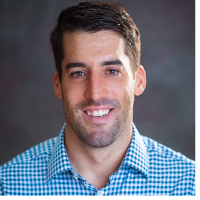 Brett Beaulieu-Jones is an Assistant Professor at the University of Chicago. His research seeks to understand the relationship between technology and health care delivery, including the deployment of machine learning and informatics tools, and the extraction of robust insights from real-world biomedical data. Dr. Beaulieu-Jones received a National Institutes of Health Pathway to Independence Award from the National Institute of Neurological Disorders and Stroke. He has had multiple publications recognized among the American Medical Informatics Association’s Year in Review top 10 papers in clinical informatics. He earned his PhD in genomics and computational biology from the Perelman School of Medicine at the University of Pennsylvania. His thesis, which was recognized by the American Medical Informatics Association, focused on the development and application of machine learning and informatics methods to clinical data to identify biologically or clinically interesting patient subpopulations. He then completed a postdoctoral fellowship and served as a junior faculty member in the Department of Biomedical Informatics at Harvard Medical School. He served as the general chair for the Machine Learning for Health (ML4H) workshop at NeurIPS, is a founding organizer for the Symposium on Artificial Intelligence for Learning Health Systems and is the chair of the Association for Health Learning and Inference (AHLI, parent organization of ML4H and the Conference on Health, Inference, and Learning). He has a strong interest in entrepreneurship and has helped start and lead venture backed companies from founding to acquisition.
Personal webpage
Fadil Bidmos, PhD, Imperial College London, UK
orcid.org/0000-0003-2843-409X
Research areas: Bacterial vaccine antigens, bacterial meningitis, human monoclonal antibodies, conjugate vaccines, IgG
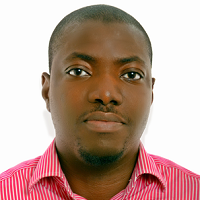 Fadil Bidmos is a MRC Career Development Fellow at Imperial College London. He received training in molecular bacteriology and immunology at University of Leicester where his PhD explored the vaccine candidacy of 2 iron-acquisition proteins for a prospective meningococcal vaccine. Thus, his research expertise is in the area of vaccine antigen discovery and design for bacterial pathogens using advanced tools and strategies such as Reverse Vaccinology 2.0 and bacterial glycoengineering. His research also extends to investigations of the breadth of the adaptive immune response to: experimental human challenge; bacterial vaccines; disseminated infection (specifically in childhood diseases); and long-term asymptomatic colonisation of the nasopharynx by meningococci.
Personal webpage
Anna Paula Bousquet, PhD, Akershus University Hospital, Sweden
orcid.org/0000-0002-6653-2195
Research areas: Translational Oncology, Predictive and Prognostic Biomarkers, Tumor Immunology and Immunotherapy
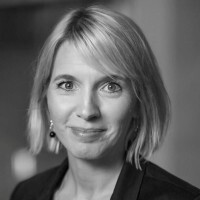 Dr. Bousquet is a Senior Researcher at the Department of Oncology at Akershus University Hospital in Norway. She holds a PhD in immunology from the University of Oslo. Her research focuses on translational oncology, particularly the identification of predictive and prognostic biomarkers in colorectal cancer — including immune-related, molecular, and metabolic markers. Through this work, she seeks to deepen understanding of cancer progression, stratify patients, or monitor their response to therapy. Dr. Bousquet has also contributed to advancing immunotherapy research, drawing on her experience with therapeutic antibodies and cancer vaccine development. Her work bridges laboratory discoveries with clinical applications to improve outcomes for cancer patients.
Personal webpage
Jeffrey Shi Kai Chan, MBChB, MPH, PhD, FESC, Hong Kong Metropolitan University, Hong Kong
orcid.org/0000-0003-0231-2393
Research areas: Cardio-oncology, echocardiography, heart failure, cardiovascular epidemiology
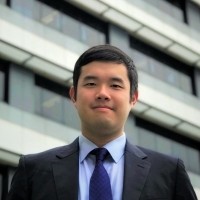 Dr Jeffrey SK Chan received his medical degree from The Chinese University of Hong Kong. Dr Jeffrey SK Chan is a medical researcher with special interests in epidemiological and risk prediction research in the fields of cardio-oncology, echocardiography, and heart failure. As of 2025, he has authored over 130 peer-reviewed publications. His studies have been cited to support several international guidelines and consensus statements in both cardio-oncology and cardiac surgery. His contribution to the cardiovascular literature has led to his election as a Fellow of the European Society of Cardiology, and a Member of the Faculty of Public Health in the United Kingdom. Dr Chan maintains active collaborations with the Johns-Hopkins School of Medicine, Wake Forest University School of Medicine, Chinese University of Hong Kong, Tianjin Medical University, and Hong Kong Metropolitan University. He is currently a researcher at the School of Nursing and Health Studies of Hong Kong Metropolitan University, and a medical scientist of the Observational Pragmatic Research Institute, Singapore. In addition, he serves clinically in Hong Kong as a primary care physician.
Personal webpage
Cynthia Chen, PhD, National University of Singapore, Singapore
orcid.org/0000-0002-1947-8069
Research areas: Healthcare financing, Aging, Public Health, Economic Evaluation
 Cynthia Chen is an Assistant Professor at the National University of Singapore, School of Public Health. Her research lies at the intersection of health economics, ageing, and public health policy, with a focus on evaluating interventions that promote living well and productive longevity. She is particularly interested in healthcare financing and reimbursement strategies for therapies in Singapore and the broader region, emphasising value-based care and the role of different payers in shaping healthcare costs. Dr Chen currently leads a programme of work on the effectiveness of programmes for older adults, funded through a Clinician Scientist Award. Her research has been supported by Singapore’s Ministry of Health, the Ministry of Education, the US National Institutes of Aging, and the Thai Health Promotion Foundation, among others. In addition to her research, she teaches courses in Public Health Economics and Applied Health Econometrics.
Personal webpage
Jie Chen, PhD, The Third Xiangya Hospital of Central South University, China
Research Areas: Inflammatory Bowel Disease (IBD), Precision Nutrition, Gut Microbiome, Metabolomics, Host Genetics, Gastroenterology, Public Health, Multi-omics Analysis, Mendelian Randomization, Enterotypes, Dietary intervention, Personalized Medicine, Clinical Research Design, Longitudinal Cohort Studies.
 Dr. Jie Chen received his Ph.D. from Zhejiang University, where he earned degrees in both Clinical Medicine and Public Health. His research focuses on precision nutrition for Inflammatory Bowel Disease (IBD), and he has led China's largest multi-omics dietary cohort study(ONE-IBD study) in this field. Currently, Dr. Chen is a physician and Assistant Professor in the Department of Gastroenterology at the Third Xiangya Hospital. He also serves as a distinguished member of the ECCO Global Taskforce.
Personal webpage
Tao Chen, PhD, Liverpool School of Tropical Medicine, UK
orcid.org/0000-0002-5489-6450
Research areas: Clinical trial, medical statistics, trial-based or model-based health economics evaluation, clinical epidemiology, system review and meta-analysis, COPD, hypertension, cardiovascular disease
 Tao Chen earned his first degree in medicine (2006), followed by MSc (2009) and PhD (2012) in Epidemiology and Biostatistics from Peking Union Medical College. He rejoined the Global Health Trials Unit at Liverpool School of Tropical Medicine from Feb 2024.His research includes: 1) Statistical issues in design, analysis and reporting in clinical trials for medical and public health problems. 2) Trial based or model-based economic evaluation. 3) Disease modelling to assess the clinical and cost impacts from breakthrough trials or health policies locally and globally 4) Epidemiological study in non-communicable diseases, particularly in cardiometabolic diseases.
Personal webpage
Wenlong Carl Chen, PhD, University of the Witwatersrand, South Africa
orcid.org/0000-0002-3248-4906
Research areas: Genetic and epidemiological etiologies of common African cancers, including breast, prostate, cervical and esophageal cancer. Early detection of common cancers through biomarker discovery and application of machine learning in a low-resource setting.
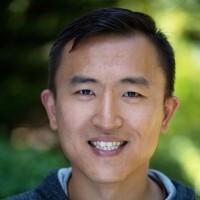 Dr Chen is a Researcher at the Sydney Brenner Institute for Molecular Bioscience (SBIMB), University of the Witwatersrand, and a Medical Scientist at the South African National Cancer Registry. His main research interests lie in studying the genetic etiologies for common African cancers (including breast, prostate, cervical, and esophageal cancer). He oversees all active research studies within the Cancer Genetics and Genomics Research Group at the SBIMB. Such studies include the Johannesburg Cancer Study, Confluence Breast Cancer Consortium, the Evolving Risk Factors for Cancers in African Populations study, and the Men of African Descent and Carcinoma of the Prostate (MADCAP) study.
Personal webpage
Elaine Chow, MD, PhD, The Chinese University of Hong Kong, China
orcid.org/0000-0002-4147-3387
Research areas: diabetes, continuous glucose monitoring, novel glucose lowering drugs
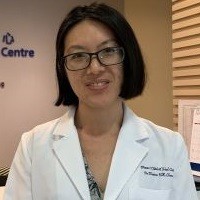 Elaine received her medical training in UK and completed her PhD on cardiovascular effects of hypoglycaemia at the University of Sheffield. She since joined the Chinese University of Hong Kong where she is also Deputy Medical Director at the Phase 1 Clinical Trial Centre. She secured a number of external grants researching continuous glucose monitoring, insulins and glucose lowering drugs in relation to prediabetes, type 2 diabetes and chronic kidney disease. She has been principal investigator or co-investigator for over 70 Phase 1 to 4 studies relating to cardiometabolic drugs. She has published over 100 peer-reviewed articles, including articles in Diabetes Care, Diabetes and Nature Reviews Endocrinology. She has also received several awards, including the Hong Kong College of Physicians Richard Yu Lecture and Women’s Interprofessional Network of the American Diabetes Association abstract award in 2022. In addition to teaching and research, she is associate editor and editorial board member for several journals.
Personal webpage
Jacqueline Chua, PhD, Singapore Eye Research Institute, Singapore
Research Areas: Ocular imaging, neurodegenerative, cardiovascular
 Dr. Jacqueline Chua is an Associate Professor at Duke-NUS Medical School and a Clinician Scientist in the Ocular Imaging Group at the Singapore Eye Research Institute. She holds a Bachelor of Optometry from the University of Melbourne, Australia, and a PhD in Optometry from the University of Auckland, New Zealand. She is also a practising optometrist in primary eye care at the Singapore National Eye Centre.Her research focuses on translational ocular imaging, particularly the development of retinal imaging biomarkers using optical coherence tomography, optical coherence tomography angiography, and artificial intelligence for neurodegenerative and vascular diseases. Through this work, she seeks to improve early diagnosis, predict disease progression, and advance non-invasive approaches for identifying Alzheimer’s disease and mild cognitive impairment. Dr. Chua has also contributed to the integration of multimodal imaging and deep learning into clinical research. Her work bridges computational innovation with clinical application to improve patient outcomes.
Personal webpage
Tomasz Cudejko, PhD, Northumbria University, UK
Research Areas: biomechanics, human motion analysis, rehabilitation medicine, digital health, osteoarthritis, falls prevention, musculoskeletal diseases, footwear design, wearable technologies, electromyography, balance assessment
Dr Tomasz Cudejko is an Assistant Professor at the Northumbria University. He completed his PhD in Medical Sciences at Vrije Universiteit Amsterdam, where he investigated the effects of an orthotic device on clinical and biomechanical outcomes in people with knee osteoarthritis. He subsequently conducted postdoctoral research at the University of Liverpool, focusing on the development of smart footwear for fall prevention in older adults, and at Cardiff University, where he worked on the validation of wearable technologies for health monitoring. His research integrates biomechanics, rehabilitation science, and digital health, with a particular focus on wearable sensors and remote monitoring technologies for musculoskeletal conditions and mobility assessment. He uses laboratory-based experiments, patient-reported outcomes, and large clinical and biomechanical datasets to better understand the mechanisms underlying musculoskeletal disorders and to support the development of technology-enabled healthcare solutions. Dr Cudejko has authored multiple first-author publications and regularly reviews for international peer-reviewed journals in medicine and bioengineering.
Personal webpage
Guoqing Diao, PhD, George Washington University, USA
Research Areas: clinical trial designs, survival analysis, longitudinal data analysis, missing data problems, causal inference, machine learning, EHR data analysis, drug safety signal detection, meta-analysis
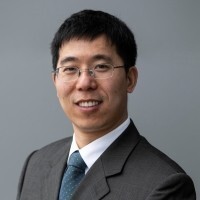 Dr. Guoqing Diao is a tenured professor in the Department of Biostatistics and Bioinformatics at The George Washington University. He obtained his Ph.D. in Biostatistics from the University of North Carolina at Chapel Hill. Before joining GWU in August 2020, Dr. Diao was a faculty member in the Department of Statistics at George Mason University for 14 years. His research is dedicated to developing innovative statistical methodologies and computational tools to tackle critical scientific issues in biomedical studies. Dr. Diao's interests encompass a range of topics, including semiparametric models, precision medicine, survival analysis, longitudinal data analysis, statistical genetics, high-dimensional data analysis, diagnostic medicine, clinical trial design, causal inference, and machine learning. He also has an extensive record of collaboration with researchers across various fields, including infectious diseases, cancer, eye diseases, ultrasound, neuroimaging, and cardiovascular diseases.
Personal webpage
Carlota Dobaño, PhD, Barcelona Institute for Global Health, Spain
orcid.org/0000-0002-6751-4060
Research areas: Malaria immunology and vaccines, neglected tropical diseases immunology, immune responses during pregnancy and infancy, COVID-19 immunology and vaccines, systems immunology and vaccinology, biomarkers of immunity and pathogenesis
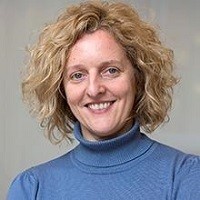 Carlota Dobaño is the head of the Malaria Immunology Group at the Barcelona Institute for Global Health (ISGlobal) and coordinates large multicentre studies on naturally acquired and experimental immunity to malaria, SARS-CoV-2 and other infections. In 1992 she graduated in Pharmacy and Pharmacology at the Universitat de Barcelona, Spain. In 1994 she completed an MSc in Applied Molecular Biology of Infectious Diseases at the London School of Hygiene and Tropical Medicine, UK, developing her thesis project at the Department of Parasitology, National Institute for Medical Research, Medical Research Council, London. In 1999 she obtained her PhD degree the University of Edinburgh, Scotland, in the study of naturally-acquired immune responses to Plasmodium falciparum, with research work on severe malaria conducted at the Malaria Project and Wellcome Trust Centre, Blantyre, Malawi. During 1999-2002 she was a postdoctoral fellow working on malaria vaccine preclinical development at the Malaria Program, Naval Medical Research Center, USA. In 2003 she joined ISGlobal and the Manhiça Health Research Centre, Mozambique, to become a laboratory group leader in immune epidemiology research of poverty diseases.
Personal webpage
Ning Dong, PhD, Zhejiang University, China
orcid.org/0000-0001-6515-4201
Research areas: Molecular epidemiology of clinically important pathogens, pathogenicity, resistance, and adaptive mechanisms of bacterial pathogens, development of novel antimicrobial strategies
 Dr. Ning Dong is a principal investigator at the School of Medicine, Zhejiang University. Her primary research interests focus on the pathogenicity and antibiotic resistance of pathogenic bacteria. This research mainly includes the molecular epidemiology of clinically important pathogens, the pathogenicity, antibiotic resistance, and adaptive mechanisms, as well as the development of novel antimicrobial strategies. She has published more than 80 SCI papers in journals such as Lancet Microbe, Lancet Infectious Diseases, Nature Communications, EBioMedicine, Drug Resistance Updates, Journal of Infection, and Emerging Microbes & Infections. She also serves as an editorial board member of several international journals such as Antimicrobial Agents and Chemotherapy and Microbiology Spectrum.
Personal webpage
Andrey Fedorov, PhD, Brigham and Women's Hospital, USA
orcid.org/0000-0003-4806-9413
Research areas: Imaging Data Commons, Medical image computing, Imaging informatics, Open science
 Andrey Fedorov is a researcher at Brigham and Women's Hospital (BWH) and Associate Professor in Radiology at Harvard Medical School. Andrey is one of the leads of the team tasked with building National Cancer Institute Imaging Data Commons (IDC). A computer scientist by training, Andrey spent the past 15 years at the BWH Surgical Planning Lab working on translation and evaluation of image computing tools in clinical research applications. He is dedicated to developing infrastructure and best practices to help imaging researchers improve transparency of their studies, simplify data sharing and make their analyses more easily accessible and reproducible by others.
Personal webpage
Miranda Fidler-Benaoudia, PhD, Alberta Health Services, Canada
orcid.org/0000-0001-9594-9881
Research areas: Cancer epidemiology, descriptive epidemiology, childhood, adolescent, youth health
 Dr Miranda Fidler-Benaoudia is a Cancer Epidemiologist/Research Scientist in the Department of Cancer Epidemiology and Prevention Research at Alberta Health Services, and an Adjunct Assistant Professor in the Departments of Oncology and Community Health Sciences at the University of Calgary (Canada). Her research focuses primarily on describing the burden of childhood, adolescent and young adult cancers and evaluating their related late-effects. She is additionally interested in sub-populations, such as indigenous peoples, and continues to undertake research comprehensively describing cancer indicators nationally, regionally and at global levels.
Personal webpage
Cindy George, South African Medical Research Council, South Africa
orcid.org/ 0000-0002-4561-0529
Research areas: non-communicable diseases; epidemiology; chronic kidney disease
 Dr George is a Specialist Scientist in the Non-Communicable Diseases Research Unit of the South African Medical Research Council (SAMRC) and Lead of the Kidney Diseases Research Program in the unit. She a South African National Research Foundation (NRF)-rated scientist with 10 years’ experience in research related to chronic kidney disease (CKD) in African populations. Her research focus is centered on characterizing the burden of CKD, examining the risk factors and underlying mechanisms associated with the disease, as well as exploring novel biomarkers for CKD screening and detection. She currently manages the first African CKD consortium (CKD-Africa Collaboration; https://ckd-africa.samrc.ac.za/), which aims to pool individual participant data to, (1) determine the burden of CKD in Africa, (2) create resources that would allow researchers to track the burden of CKD and (3) enable CKD projections for Africa.
Personal webpage
Olivier Govaere, PhD, KU Leuven, Belgium
orcid.org/0000-0002-4426-6930
Research areas: Hepatology, pathology, NAFLD, hepatic cancer, biomarkers, multi-omics, spatial profiling
 Olivier is a Tenure Track Professor at the Translational Cell & Tissue Research lab, Department of Imaging and Pathology at the KU Leuven in Belgium. He obtained his PhD in Molecular and Stem Cell Medicine at the KU Leuven, investigating the role of hepatic progenitor cells in liver regeneration and carcinogenesis. His postdoctoral work at Newcastle University in the UK, aimed to understand the pathophysiology of non-alcoholic fatty liver disease and to examine the determinants of individual risk for disease progression by using a "multi-omics" translational-science approach. His current work focusses on immunometabolism in metabolic associated fatty liver disease and spatial profiling.
Personal webpage
Xikun Han, PhD, Peking University, China
orcid.org/0000-0002-3823-7308
Research areas: Statistical genetics, Genetic epidemiology; Single-cell and multi-omics; Functional genomics; Deep-learning methods for genomic and health-care big-data; Ophthalmic genetics (glaucoma, age-related macular degeneration); Neuropsychiatric genomics
 Dr Han is a Tenure-track Assistant Professor at Peking University, where his team integrates large-scale biobank resources with single-cell, spatial and functional genomics to uncover the molecular architecture of complex diseases. After earning a PhD in statistical genetics at The University of Queensland/QIMR Berghofer under Prof Stuart MacGregor, he completed postdoctoral training at the Harvard T.H. Chan School of Public Health with Prof Liming Liang, and at MIT’s Computer Science & Artificial Intelligence Laboratory and the Broad Institute with Prof Manolis Kellis. Dr Han’s programme pursues three complementary goals: (1) delineating the evolutionary and statistical genetic foundations of complex traits; (2) mapping multi-layer gene regulation—from DNA variation to chromatin state, transcriptome, proteome and cellular phenotypes—using single-cell multi-omics and functional screens; and (3) developing and applying deep-learning frameworks to genomics and health records for precision prevention, diagnosis and therapy. His group has identified numerous susceptibility loci for ophthalmic and neuropsychiatric disorders, elucidated cell-type-specific regulatory mechanisms, and proposed biomarker and drug-target candidates.
Personal webpage
Jessica Harding, PhD, Emory University, USA
orcid.org/0000-0002-6664-8630
Research areas: epidemiology, health services research, social determinants of health, diabetes, kidney disease, kidney transplantation
 Dr Jessica Harding is an epidemiologist and health services researcher at Emory University’s School of Medicine in Atlanta, USA, and the Associate Director of Emory’s Health Services Research Center. She received her PhD in medical research (epidemiology) from Baker Heart and Diabetes Institute, Melbourne, Australia, in 2016, and engaged in a research fellowship at the Centers for Disease Control and Prevention from 2017-2019. Her research focus is on healthcare quality, outcomes research, clinical/translational research, health disparities, and evidence-based medicine as it relates to diabetes, kidney disease, and transplantation. She has particular interests in (1) gender, racial/ethnic, and socioeconomic disparities in access to treatments for advanced kidney disease, (2) the changing profile of diabetes complications in an aging population with complex care needs, and (3) leveraging existing data systems to bridge gaps in knowledge. These pursuits converge into a singular mission to advance healthcare equity, redefine the care of aging populations with chronic disease, and propel medical insights through innovative data utilization. Dr. Harding serves on several expert groups in his field, including the biannual International Diabetes Federation Atlas, National Institute of Health study section, and the National Kidney Foundation, and is part of the editorial team for Diabetes Care and Diabetes and Metabolism. In 2022, Dr Harding was awarded the Young Investigator Award from the International Diabetes Epidemiology Group.
Personal webpage
Ping-Chih Ho, PhD, University of Lausanne, China
Research Areas: Cancer immunology, tumor microenvironment, adaptive immunity, innate immunity, immunometabolism
 Ping-Chih Ho grew up in Taiwan and obtained his basic biomedical training, including bachelor degree (Life Science) and master degree (Biochemical Science), at National Taiwan University. Following his PhD and postdoctoral. training at University of Minnesota and Yale University, he relocated to Switzerland as a tenure-track assistant professor in the Department of Oncology at the University of Lausanne in 2015. Since 2023, Ping-Chih is a Full Professor member at Ludwig Institute for Cancer Research at University of Lausanne. Ping-Chih's research focuses on metabolic crosstalk between immune and tumor cells within the tumor microenvironment and immunometabolic regulators in immune cells during infection, vaccination and immunotherapy treatment. His research is also acknowledged by several international awards, including the CRI Lloyd J. Old STAR Award, EMBO Young Investigator award, MRA-SITC Young Investigator award, MRA Established Investigator Award, CRI CLIP-investigator award, AAI-BD Biosciences Investigator award, and the Swiss Bridge Award. He is also an AAAS fellow and Henry Kunkel Society member
Personal webpage
Yu Hou, PhD, Chongqing Key Laboratory of Hematology and Microenvironment, China
Research Areas: Hematopoietic stem cell homeostasis and radiation injury mechanisms, molecular mechanisms of radiation-induced leukemia, and targeted therapies for leukemia stem cells
 Yu Hou, PhD, is a Professor and Deputy Dean of the School of Basic Medical Sciences at Chongqing Medical University, China. He received his B.S. in Biology from the College of Life Sciences at Southwest University in 2004 and completed his Ph.D. in Cell Biology at Wuhan University in 2010. He later served as a Research Associate in the Department of Medicine at the University of Illinois at Chicago from 2011 to 2015. From 2015 to 2022, Dr. Hou was a Professor in the Department of Hematology at Southwest Hospital, Third Military Medical University in Chongqing, China. His research focuses on the molecular mechanisms regulating hematopoietic stem cell homeostasis and how these processes are disrupted under stress, particularly radiation exposure. He also studies the pathogenesis of leukemia, with an emphasis on leukemia stem cells, aiming to identify therapeutic vulnerabilities and inform translational strategies.
Personal webpage
Stanley Huang, PhD, Pelotonia Institute for Immuno-Oncology, Center for Cancer Metabolism, The James Comprehensive Cancer Center, China
Research Areas: Innate Immunity, Immunometabolism, Tumor Microenvironment, Tumor Immunology, Immunotherapy
 Dr. Stanley Huang is an Associate Professor in the Department of Microbial Infection & Immunity and the Pelotonia Institute for Immuno-Oncology at The Ohio State University. His research program focuses on defining the molecular and metabolic pathways that govern immune cell development, homeostasis, and function. With more than a decade of experience in immunology and immunometabolism, Dr. Huang investigates how cytokine networks, nutrient availability, and stress signals converge to reprogram innate immune responses in both physiological and pathological settings. His work has advanced the understanding of how tumors and inflammatory microenvironments reshape macrophage biology through coordinated metabolic and epigenetic regulation. By integrating molecular, metabolic, and systems-level approaches, Dr. Huang's laboratory aims to identify key regulatory nodes that can be therapeutically targeted to modulate inflammatory states and enhance antitumor immunity. His contributions have helped establish foundational principles in innate immune regulation and continue to inform the development of next-generation immunotherapies.
Personal webpage
Ciro Rosario Ilardi, PhD, Suor Orsola Benincasa University, Naples, Italy
orcid.org / 0000-0003-4328-4739
Research areas: Mild Cognitive Impairment, Dementia of the Alzheimer type, Neuroepidemiology, Clinimetrics, Cognitive Neuropsychology, Anosognosia, Upper Limb kinematics, Visuospatial Reasoning
 Ciro Rosario Ilardi, PhD, is a neuropsychologist and clinical psychometrician serving as a researcher in Neuropsychology and Cognitive Neuroscience at Suor Orsola Benincasa University in Naples, Italy. His expertise in neuroepidemiology was honed at the Italian National Institute of Health, and his research interests have been nurtured by collaborations with several institutions, including the Université Lumière Lyon 2, France, the University of Naples Federico II, and the University of Trieste, Italy. His research focuses on developing, validating, and standardizing neuropsychological assessment tools to improve diagnostic accuracy for Mild Cognitive Impairment (MCI) and early-stage dementia. His work also aims to identify and characterize neurocognitive biomarkers predictive of conversion from MCI to dementia, with particular attention to metacognitive appraisal, upper limb kinematics, and visuospatial reasoning.
Personal webpage
Julia Ive, Queen Mary University of London, UK
orcid.org/0000-0002-3931-3392
Research areas: Privacy & bias for Healthcare AI, Biomedical Natural Language Processing
 Dr. Julia Ive is an Associate Professor in Healthcare AI at UCL. Her research focuses on data-centric and human-centered approaches to LLMs to promote responsible innovation in healthcare. Her recent projects include efforts to detect and mitigate bias, protect privacy, and address data imputation challenges in pediatric mental health, mainly by utilising synthetic text as a tool. Previously, at Imperial College London, she focused on tackling medical data sparsity with synthetic text generation. Her expertise extends to theoretical language modeling and multimodal machine learning.
Personal webpage
Vicki Jackson, PhD, Walter and Eliza Hall Institute of Medical Research, Australia
Research Areas: Statistical Genetics, Genetic Epidemiology, Epidemiology
 Dr Vicki Jackson is a Senior Research Fellow at WEHI (Walter and Eliza Hall Institute of Medical Research), Melbourne, Australia. She holds an MSc in Medical Statistics and a PhD in Genetic Epidemiology from the University of Leicester, UK. Her research focuses on uncovering the genetic basis of complex human traits and diseases through statistical analyses of large-scale genomic data, with work spanning respiratory health, speech disorders, retinal traits, and cancers. She also holds a broader interest in the application of statistical genetics to public and global health.
Bao-Chun Jiang, PhD, Zhejiang University School of Medicine, China
Research Areas: Pain and Itch Medicine
 Bao-Chun Jiang is a Professor and PhD Supervisor in the Department of Anesthesiology at the Second Affiliated Hospital, Zhejiang University School of Medicine, Hangzhou, China. His research focuses on the molecular and cellular mechanisms underlying neuropathic pain and associated pefipherial and central sensitization mechanism. He integrates multi-omics profiling, bioinformatics analyses, and diverse experimental pain models to elucidate glia-neuron interactions, GPCR-mediated signaling, and neuro-metabolic-epigenetic coupling in pain initiation and chronification. His work aims to identify novel therapeutic targets and develop precise, mechanism-based intervention strategies for chronic pain.
Personal webpage
Tilman Jobst-Schwan, MD, University Hospital Erlangen, Germany
orcid.org/0000-0001-9802-6783
Research areas: Genetics of renal diseases, renal pathophysiology, drug development in renal diseases
 Tilman Jobst-Schwan is a clinician scientist at the University Hospital Erlangen, Germany. After completing his doctoral studies on renal physiology at the Friedrich-Alexander-Universität Erlangen-Nürnberg, he joined the Boston Children´s Hospital/Harvard Medical School as a research fellow in nephrogenetics, where he specialized in zebrafish as an animal model for functional testing of novel genetic variants in kidney diseases. Returning to the Department of Nephrology and Hypertension at the University Hospital, he continued basic research, focusing on the tubuloglomerular interaction in renal pathophysiology, and centers in patient care on the identification and evaluation of genetic variants in patients with rare kidney diseases. He is a junior clinican expert of the European Rare Kidney Disease Reference Network (ERKNet).
Personal webpage
Sangwook Kang, PhD, Yonsei University, South Korea
Research Areas: Survival analysis, Quantile regression, Survival calibration, Cohort study design, Cardiovascular disease modeling, Oral-systemic epidemiology, Statistical computing
 Sangwook Kang is a Professor in the Department of Applied Statistics and the Department of Statistics and Data Science at Yonsei University, Seoul, Korea. He received his Ph.D. in Biostatistics from the University of North Carolina at Chapel Hill and his B.S. in Statistics from Seoul National University. His research focuses on developing advanced statistical methodologies for complex survival data, with particular expertise in semiparametric accelerated failure time models, quantile regression for censored data, and survival calibration. His work aims to improve the precision of predictive modeling in clinical and epidemiological studies. Beyond methodological development, he actively collaborates on multidisciplinary research involving complex clinical cohorts and large-scale health databases, with applications in cardiovascular and oral health. Before joining Yonsei University, he held faculty positions at the University of Connecticut and the University of Georgia.
Personal webpage
Dorien Kimenai, PhD, University of Edinburgh, UK
orcid.org 0000-0003-1591-1352
Research areas: Cardiovascular epidemiology, prevention, inequalities, risk prediction modeling, biomarkers
 Dorien is an Intermediate Basic Science Research Fellow at the University of Edinburgh. She has expertise in clinical epidemiology, healthcare data, cardiac biomarkers, and advanced statistical modeling. She has previously been a clinical perfusionist in the Netherlands before undertaking a Masters degree and PhD in Clinical Epidemiology at the University of Maastricht. Her PhD addressed sex differences in cardiac biomarkers, and in particular the use of sex-specific clinical decision limits for cardiac troponins to diagnose acute myocardial infarction. Her research interests focus on the prevention of cardiovascular disease. By bringing precision medicine to primary care, she aims to provide individualised strategies that will reduce inequalities in the provision of care. Personal webpage
Shunsuke Koga, MD, PhD, Hospital of the University of Pennsylvania, USA
orcid.org/0000-0001-8868-9700
Research areas: Neurodegenerative disease, Movement disorders, Neuropathology
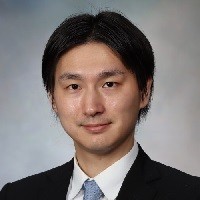 Dr. Shunsuke Koga is currently a Pathology Resident at the Hospital of the University of Pennsylvania, specializing in Anatomic Pathology and Neuropathology. Prior to this, he served as an Assistant Professor of Neuroscience at the Mayo Clinic. Driven by his desire to delve deeper into his field and learn systematically, Dr. Koga transitioned from his role at the Mayo Clinic to engage in intensive residency training. His decision underlines his commitment to constant growth and knowledge enhancement in the intricate fields of Neuropathology. Dr. Koga obtained an M.D. and Ph.D. from Chiba University and received clinical training in Neurology at Chiba University Hospital and postdoctoral training in Neuropathology at the Mayo Clinic. His research focuses on understanding the clinicopathological correlations and comorbid pathologies of synucleinopathies and tauopathies, with a particular emphasis on multiple system atrophy (MSA), progressive supranuclear palsy (PSP), and corticobasal degeneration (CBD). Dr. Koga's research is multi-faceted and includes the application of machine learning techniques in Neuropathology. Through the use of whole slide images from a collection of Mayo Clinic brain bank specimens, he aims to develop machine learning-based diagnostic models that can assist in decision-making in neuropathological diagnosis.
Personal webpage
Sradha Kotwal, PhD, The George Institute for Global Health, Australia
orcid.org/ 0000-0002-3294-4087
Research areas: Clinical Trials, Nephrology, Kidney Disease, Innovative Trial Design
 A/Prof Kotwal is a nephrologist and Program Head of the Renal and Metabolic Division at The George Institute for Global Health in Sydney, Australia. She brings expertise in innovative trial design, linked data analysis, and registry projects. A/Prof. Kotwal is a Chief Investigator for the Chronic Kidney Disease Adaptive Platform Trial Investigating Various Agents for Therapeutic Effect (CAPTIVATE), the Global Kidney Patient Trials Network (GKPTN), and the Glomerular Disease Registry and Biobank.
Lab webpage.
Cheng-Lung Ku, PhD, Institute of Immunology and Translational Medicine, Chang Gung University, China
Research Areas: Human Immunology, Inborn Error Immunity, Infectious Diseases, anti-cytokine autoantibodies, anti-interferon-gamma autoantibodies
 Dr. Cheng-Lung Ku is a Distinguished Professor and Director of the Institute of Immunology and Translational Medicine at Chang Gung University, where he also serves as Director of the Center for Molecular and Clinical Immunology. He received his B.S. in Zoology from National Taiwan University, his M.S. in Microbiology and Immunology from National Yang-Ming University, and his Ph.D. from Université Paris Descartes (Paris V), France. Dr. Ku's research focuses on human immunology, with particular emphasis on adult-onset immunodeficiency, anti-cytokine autoantibodies , primary immunodeficiency disorders, and host, pathogen immune interactions. His work integrates clinical observations with mechanistic studies to elucidate immune pathways underlying susceptibility to severe infections and immune dysregulation. He is internationally recognized for defining the pathogenic role of anti-IFN-(gamma ) in adult immunodeficiency and disseminated infections in Southeast Asia. His research has been published in leading journals such as Nature, Science Immunology, Journal of Clinical Investigation, and Nature Medicine, collectively cited more than 15,000 times, and has substantially advanced global understanding of adult-onset immunodeficiency. Dr. Ku continues to lead a multidisciplinary research program investigating the molecular basis of human immune dysregulation and infection susceptibility, with the goal of establishing a comprehensive framework for studying adult immunodeficiency disorders in Asia.
Personal webpage
Kin On Kwok, PhD, The Chinese University of Hong Kong, Hong Kong SAR
orcid.org/0000-0002-2804-5433
Research areas: Infectious disease epidemiology and mathematical modelling
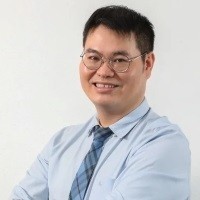
Kwok Kin On is an Associate Professor in the JC School of Public Health and Primary Care at The Chinese University of Hong Kong. He is devoted to better infection control in vulnerable healthcare settings, such as residential care homes for the elderly, and to provide timely public responses to emerging and continuing infectious diseases. His research interests are antimicrobial resistance (AMR), SARS-CoV-2, influenza and Monkeypox. His early work examined the pathway of nosocomial transmission of SARS through mathematical modelling, and the serology response of influenza. Recently, his group has expanded to study the epidemiology of AMR pathogens.
Personal webpage
Francisco Lai, PhD, The University of Hong Kong, Hong Kong SAR
orcid.org/0000-0002-9121-1959
Research areas: Pharmacoepidemiology, Multimorbidity, Psychotropic Drug Long-term Safety
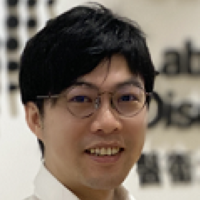 Dr. Francisco Lai is an Assistant Professor at The University of Hong Kong, jointly appointed by the Department of Pharmacology and Pharmacy and the Department of Family Medicine and Primary Care. He graduated from HKUST Business School in 2013 and completed his Ph.D. in public health from CUHK Medicine in 2019, with his research recognized with the Sir Edward Youde Memorial Fellowship. As a big-data epidemiologist, Dr. Lai focuses on double burdens of infectious and non-communicable diseases as well as physical and mental disorders, i.e., multimorbidity. He has published over 100 scholarly journal articles, including reputable journals such as Annals of Internal Medicine and Nature Communications. Dr. Lai's research has been recognized with an H-Index of 24 (as of Sep 2023), and he has been shortlisted multiple times for the HKU Research Output Prize since 2022. Dr. Lai is also an editorial board member for the Journal of Multimorbidity and Comorbidity and a Section Editor for Stress and Health, highlighting his dedication to advancing knowledge in his field. His research on vaccine safety and pharmacovigilance during the COVID-19 pandemic has been acknowledged with the HKU Knowledge Exchange Award in 2023.
Personal webpage
José Miguel Laffita Mesa, PhD, Karolinska Institutet, Sweden
Research Areas: Repeat expansion disorders, neurogenetics, epigenetics, circRNA biology, RNA biomarkers, digital PCR (dPCR), quantitative PCR (qPCR), long-read sequencing, bisulfite sequencing and methylation assays, allele-specific expression analysis, bioinformatics for RNA and genomic data, pathway and network analysis (IPA, KEGG), molecular diagnostics, neurodegenerative diseases (SCA, Parkinson's disease, ALS), assay development and validation, CRISPR-based genomic and epigenomic approaches
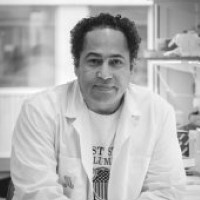 Dr. Laffita-Mesa is a molecular neurogeneticist specialising in repeat expansion disorders, epigenetics, and RNA biology. His work integrates advanced molecular diagnostics, circRNA biomarker discovery, digital PCR, and long-read sequencing to improve the understanding and detection of neurodegenerative diseases, including the spinocerebellar ataxias, Parkinson's disease and ALS. He has led and contributed to multiple international research projects, serves as an active reviewer and editor for several scientific journals, and has coordinated multiple Special Issues focused on neurogenetics and AI-enhanced biomarker development.
Personal webpage
Isotta Landi, PhD, Icahn School of Medicine, USA
orcid.org/0000-0003-4212-4709
Research areas: Natural language processing; machine learning; deep learning; psychiatry
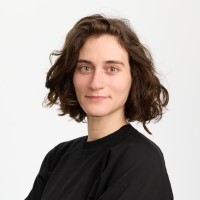 Isotta is an Assistant Professor at the Institute for Personalized Medicine at Mount Sinai (NY). Originally from Italy, she received her B.Sc. in Mathematics at the University of Pisa and M.Sc in Mathematics at the University of Trento (Italy). She then earned her PhD in Computational Psychology (University of Trento and Bruno Kessler Foundation) and researched unsupervised machine learning and natural language processing methods to disentangle complex disorders, such as Autism Spectrum Disorder, from clinical and behavioral data. Her work focuses on the application of machine learning models to predict clinical outcomes in psychiatry. Her research also includes the implementation of natural language processing methods for clinical concept and temporal relation extraction from psychiatric notes, towards precision medicine.
Personal webpage
Choong-kun Lee, MD, PhD, Yonsei University College of Medicine, South Korea
orcid.org/ 0000-0001-5151-5096
Research areas: Tumor metabolism, Gastric cancer, Pancreatic cancer, Biliary tract cancer, Clinical trials
 Prof. Choong-kun Lee is a tenured Assistant Professor in the Division of Medical Oncology, Department of Internal Medicine, at Yonsei University College of Medicine, Korea. He graduated from Yonsei University College of Medicine and completed his medical training at Severance Hospital. Prof. Lee earned his Ph.D. from the Korea Advanced Institute of Science and Technology and pursued a fellowship at the Yonsei Cancer Center. His primary clinical and research interests lie in precision oncology and the management of gastrointestinal cancers, with a particular focus on gastric and pancreaticobiliary cancers. As a principal and co-investigator, he has been involved in numerous phase I–III clinical trials. Additionally, Prof. Lee conducts research on tumor metastasis, particularly focusing on tumor metabolism reprogramming as a mechanism underlying metastatic progression.
Personal webpage
Man Li, PhD, The Fifth Affiliated Hospital of Sun Yat-sen University, China
orcid.org /0000-0002-3839-0281
Research areas: Genetic epidemiology; bioinformatics; multi-omics; chronic kidney disease.
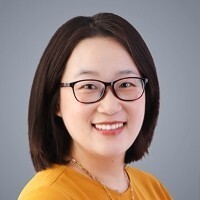 Man Li received her PhD in Epidemiology at Johns Hopkins University. She has received training in genetic epidemiology and bioinformatics at Johns Hopkins University and University of Utah during her time as a postdoctoral fellow and Assistant Professor at University of Utah. Dr. Li is currently a Principal Investigator at the Fifth Affiliated Hospital of Sun Yat-sen University. Her main research interests lie in studying the genetic epidemiology of complex diseases, including chronic kidney disease, type 2 diabetes, and cardiovascular diseases.
Personal webpage
Wenyuan Li, PhD, Zhejiang University, China
Research Areas: Big Data in Health Science, Epidemiology, Biostatistics, Medical Artificial Intelligence
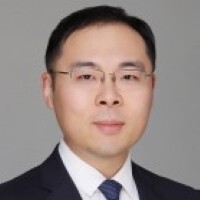 Wenyuan is a ZJU100 Young Professor at the Institute of Digital and Intelligent Health (IDIH) within Zhejiang University, and also holds an Adjunct Professorship at the Second Affiliated Hospital of Zhejiang University School of Medicine. He completed his Master’s, Doctoral, and Post-Doctoral training at the Harvard School of Public Health. His current research focuses on Medical Imaging AI, Aging Assessment and Multi-omic Biological Mechanism Exploration, and Causal Inference in Machine Learning. By leveraging advanced cross-scale multi-modal medical data mining and fusion techniques, his work aims to disentangle the complex relationships between diverse risk factors and chronic diseases, and to develop predictive models. His previous research has explored the impact of air pollution and meteorological factors on a variety of health outcomes, including oxidative stress, inflammation, glucose homeostasis, migraine, sleep disorders, cerebrovascular and cardiovascular diseases, fatty liver disease, reproductive health, and obesity
Personal webpage
JiaJia Liu, PhD, Peking University, China
Research Areas: Child and adolescent mental health, sleep medicine, psychiatric genetics
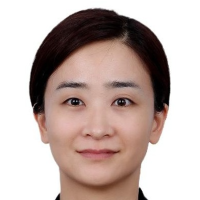 Dr. Jia Jia Liu is an Associate Research Professor at Peking University Health Science Center. She completed a joint Ph.D. between Shandong University and Karolinska Institutet (Sweden), where she trained in psychiatric genetics, epidemiology, and molecular medicine. She conducted post-doctoral work on the genetic mechanisms of autism at Peking University Sixth Hospital/ Peking University Institute of Mental Health. Her research has sought to identify modifiable factors and biomarkers that drive the onset and trajectory of mental health conditions, with a special focus on children and adolescents. These include identifying genetic and epigenetic biomarkers of mental disorders, mapping gene–environment interactions underlying childhood adversity, and translating these findings into interventions in both clinical and community populations. In 2025 she established the “Adolescent Health and Well-being” cohort—an ongoing biennial follow-up of >30,000 school-aged children, jointly launched with clinical psychiatrists and epidemiologists, designed to uncover targets that strengthen “mental immunity” and inform precision-prevention interventions
Personal webpage
Claudia Lugo-Candelas, PhD, Columbia University, USA
Research areas: Perinatal exposures, infant neurodevelopment, ADHD, inhibitory control disorders, perinatal sleep, health disparities.
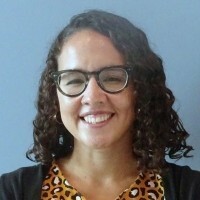 Claudia Lugo-Candelas, Ph.D., is the Florence Irving Associate Professor of Medical Psychology in the Department of Psychiatry at Columbia University Irving Medical Center. She is a licensed clinical psychologist whose research focuses on the perinatal programming of risk and resilience for neurodevelopmental disorders. Her work seeks to clarify how prenatal and early postnatal exposures shape the development of inhibitory control and related vulnerability for conditions such as ADHD. This includes identifying biological and environmental factors that contribute to early risk, leveraging neuroimaging and electroencephalography to characterize early brain–behavior pathways, and examining the social, cultural, and structural contexts that shape developmental trajectories. She is particularly focused on the role of perinatal sleep difficulties as a mechanistic pathway in risk for ADHD. A central focus of her program is the experiences of communities that are underserved and underrepresented in research, with a commitment to advancing equity in both science and public health. Her work is supported by the NIH and private foundations, and mentorship and training aimed at broadening representation in STEM remain core components of her mission.
Personal webpage
Raymond Mak, MD, Brigham and Women’s Hospital, USA
orcid.org/0000-0002-8754-0565
Research areas: Lung cancer, radiation therapy, radiomics, artificial intelligence in medicine, clinical oncology, radiation oncology, cancer therapy toxicity
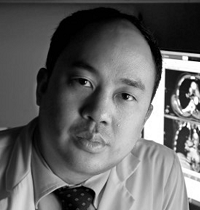 Raymond Mak MD, is an Associate Professor of Radiation Oncology at Harvard Medical School and Brigham and Women’s Hospital/Dana-Farber Cancer Institute (USA). Dr. Mak’s research interests focus on developing imaging biomarkers to predict radiation therapy response in lung cancer patients and applying artificial intelligence techniques to automate radiation therapy planning. He has led crowd innovation and clinical trials to develop novel, clinically-relevant artificial intelligence techniques. Dr. Mak’s clinical focus includes treatment of thoracic malignancies and novel image-guided radiation therapy techniques.
Personal webpage
Peter M Macharia, PhD, Institute of Tropical Medicine, Belgium
orcid.org/0000-0003-3410-1881
Research areas: Disease mapping, spatial access, spatial analysis, child mortality and determinants, malaria, maternal health, health geography
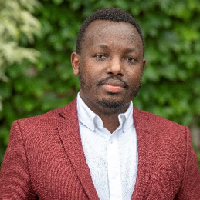 Dr Peter Macharia is a spatial epidemiologist- postdoc research fellow based at the Department of Public health in the Institute of Tropical Medicine, Antwerp, Belgium. He is also a visiting researcher at KEMRI Wellcome Trust Research Programme, Kenya. He is interested in the application of geospatial models to derive spatial health metrics to aid in a better understanding of health inequalities, vulnerabilities, and population health. He holds a BSc in Geomatic Engineering & Geospatial Information Systems (GIS), a post graduate diploma in health research methods, MSc in GIS and remote sensing and a PhD in spatial epidemiology.
Personal webpage
Yehoshua (Josh) Manor, PhD, Sheba Medical Center, Israel
orcid.org/0000-0003-4513-8292
Research areas: Inborn errors of Metabolism, Genetic Disorders, Mitochondrial disorders, metabolism of NAD, Copper utilization in health and disease, lipoylation defects
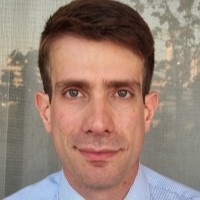 Dr. Yehoshua (Josh) Manor completed his BSc in Mathematics and Computer Science at 17 from the Hebrew University of Jerusalem, Israel, followed by a PhD in Biochemistry at the same institution in 2012. He later earned an MD from Tel Aviv University. Pursuing further specialization, Josh moved to Houston, Texas, for residency and fellowship at Baylor College of Medicine, where he obtained triple board certification in Pediatrics, Human Genetics, and Medical Biochemical Genetics (Metabolic Disorders) by 2021. Josh's research interests focus on neurometabolic disorders, particularly during his fellowship where he investigated a fly model for X-linked adrenoleukodystrophy and the metabolomics of NAD(P)HX repair system deficiency. After his fellowship, Josh returned to Israel and joined Sheba Medical Center in Ramat Gan as a physician-scientist. There, he established a research laboratory dedicated to neurometabolic disorders, aiming to facilitate the transition from bench to bedside. Josh is committed to advancing genetic and metabolic disorder treatments through research and clinical application. He underscores the importance of collaborative efforts and actively promotes the publication of research findings in these fields to enhance medical sciences.
Personal webpage
Adam May, MD, Washington University in St. Louis, USA
orcid.org/0000-0002-4120-5075
Research areas: cardiology, critical care, electrocardiography, echocardiography, artificial intelligence, machine learning
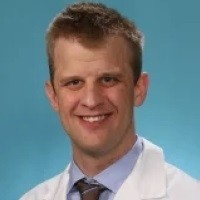 Dr. Adam May is a cardiologist and Assistant Professor in the Department of Medicine, Division of Cardiology at Washington University in St. Louis. Dr. May possesses clinical expertise in cardiovascular diseases, critical care medicine, electrocardiography, and echocardiography, with his all training completed at the Mayo Clinic in Rochester, MN. In his current role at Washington University in St. Louis, Dr. May oversees the Cardiac Intensive Care Unit at Barnes-Jewish Hospital in St. Louis, MO. Here, he plays a pivotal role in the management of critically ill patients grappling with a wide array of cardiac conditions. Dr. May's primary research endeavors are rooted in the continuous refinement and development of innovative processes aimed at enhancing the diagnostic capabilities of automated electrocardiogram (ECG) interpretation. His groundbreaking work has led to significant contributions to the field, including the creation of the WCT Formula, VT Prediction Model, WCT Formula II, and the Mayo Clinic VT Calculator. These automated methods help achieve the precise and timely differentiation of wide complex tachycardias. Looking ahead, Dr. May's research will continue to involve the development and implementation of other artificial intelligence (AI) technologies for the ECG. His forthcoming endeavors aim to further enhance the accurate discernment of patients' underlying heart rhythm and other electrocardiographic abnormalities, helping to usher new automated tools for diagnostic electrocardiography.
Personal webpage
Gerald Mboowa, PhD, Broad Institute of MIT and Harvard, USA
orcid.org/0000-0001-8445-9414
Research areas: Antimicrobial resistance, pathogen genomics, infectious disease surveillance, machine learning in genomics, public health bioinformatics
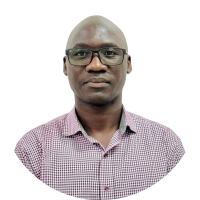 Gerald Mboowa is a Senior Data Engineer with a strong background in microbial genomics, infectious disease surveillance, and antimicrobial resistance (AMR). He holds a PhD in Bioinformatics and Genomics from Makerere University and has led several large-scale genomic surveillance initiatives across Africa, including work on Cholera, Klebsiella pneumoniae, and Escherichia coli. Dr. Mboowa currently works at the Broad Institute of MIT and Harvard, where he supports the implementation of global pathogen genomics and bioinformatics workflows. Prior to joining the Broad, he served as a Bioinformatics Implementation Expert at Africa CDC, where he supported national public health institutes across the continent in integrating next-generation sequencing for outbreak response and AMR tracking. His research interests include genome-based AMR prediction, machine learning applications in pathogen genomics, and the development of accessible, reproducible pipelines for low-resource settings. He has authored over 80 peer-reviewed publications and serves as a mentor to early-career scientists across Africa. He is passionate about advancing equitable access to genomic tools in public health and fostering international collaborations that translate genomics into impact. Dr. Mboowa is also an active reviewer for multiple global health research funding programs and scientific journals.
Personal webpage
Esther Melamed, PhD, UT Austin, Texas
orcid.org/0000-0001-5571-3591
Research areas: Multiple Sclerosis, Neuromyelitis Optica, Autoimmune Neuropathy, Autoimmune Epilepsy, Long COVID
 Dr. Esther Melamed, MD, PhD, is an Assistant Professor of Neurology at Dell Medical School, University of Texas at Austin, and Director of Research for the Post-COVID Program. She earned her MD/PhD degree from University of California, Los Angeles and completed her neurology residency and neuroimmunology fellowship at Stanford University, where she served as Chief Resident of Education. Dr. Melamed's research investigates the interactions between viral and dietary environmental factors, the gut microbiome, and immune system responses in neurological autoimmune diseases. She serves on multiple expert committees and has held leadership roles in national and international professional organizations, including the American Academy of Physical Medicine and Rehabilitation, Immunophenotyping Assessment in a COVID-19 Cohort (IMPACC), National Center for Health Research, Multiple Sclerosis Society, and Guthy-Jackson Charitable Foundation. Through her roles in these organizations, she has led the identification of neurological disease biomarkers and contributed to development of diagnostic and treatment guidelines for autoimmune neurological conditions and Long COVID.
Personal webpage
David Miyamoto, MD, PhD, Massachusetts General Hospital, USA
orcid.org/0000-0003-3692-8823
Research areas: Liquid biopsy, circulating tumor cells, prostate cancer, bladder cancer, radiation oncology
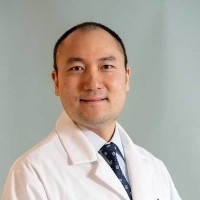 David Miyamoto, MD, PhD is an Investigator in the Krantz Family Center for Cancer Research at the Massachusetts General Hospital, an Associate Professor of Radiation Oncology at Harvard Medical School, and an Associate Member of the Broad Institute of MIT and Harvard (USA). Dr. Miyamoto is also a board-certified radiation oncologist specializing in genitourinary malignancies who sees patients at the Massachusetts General Hospital. His research efforts focus on the development of novel biomarkers to guide bladder and prostate cancer therapy and improve the individualized care of each patient, with a particular emphasis on liquid biopsies and the molecular analysis of circulating tumor cells. His translational research laboratory has been supported by grants from the National Cancer Institute, the U.S. Department of Defense, the Prostate Cancer Foundation, and the Radiation Oncology Institute.
Personal webpage
William Morello, MD, PhD, Fondazione IRCCS Ca' Granda, Ospedale Maggiore Policlinico di Milano, Italy
orcid.org/0000-0002-4833-4128
Research areas: Pediatric Nephrology, Glomerular Diseases, Congenital Abnormalities of the Kidney and Urinary Tract, Urinary Tract Infections, Pediatrics
 William Morello is an MD at the Pediatric Nephrology Unit in Milan, Italy. He received his master’s degree (cum laude) in Medicine from the University of Bologna (Italy) in 2006 and completed his postgraduate medical specialization (cum laude) in Pediatrics at the University of Bologna in 2013. In 2020, he earned a PhD in Translational and Molecular Medicine from the University of Milano-Bicocca, with a thesis on the molecular mechanisms of idiopathic nephrotic syndrome. Since 2016, he has been working at the Pediatric Nephrology Unit in Milan, where he leads the outpatient clinic for idiopathic nephrotic syndrome and proteinuria, the reference center for Lombardy, a region with more than 10 million inhabitants. His areas of expertise also include immunological kidney diseases, new immunosuppressive drugs, urinary tract infections, and congenital abnormalities of the kidney and urinary tract.
Personal webpage
Nitesh Nerlekar, PhD, Monash University, Australia
Research Areas: Cardiology, echocardiography, non-invasive cardiac imaging, preventive cardiology, cardiovascular medicine, meta analysis, calcium scoring, coronary CT angiography
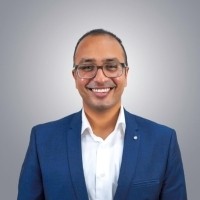 Dr Nitesh Nerlekar is an Associate Professor of Cardiology at the Victorian Heart Hospital and Deputy Director of Clinical Research at the Victorian Heart Institute. He is a cardiologist specialising in cardiovascular prevention and advanced cardiac imaging, including echocardiography, cardiac CT and cardiac MRI. His PhD examined the role of epicardial adipose tissue and cardiac inflammation in the development and progression of coronary atherosclerosis. His current research focuses on integrating imaging biomarkers into preventive cardiology to improve the early detection, risk stratification and management of cardiovascular disease, with a particular emphasis on underserved populations, including women, individuals from diverse ethnic backgrounds, and younger adults. He also leads work on innovative diagnostic and engagement pathways to improve health literacy and patient agency, including the use of screening mammography to identify breast arterial calcification and visual risk communication tools to enhance uptake and adherence to preventive care.
Personal webpage
Stephanie Nishi, PhD, Toronto Metropolitan University, Canada
orcid.org/ 0000-0002-7878-5368
Research areas: Cardiometabolic Health, Diabetes, Cognitive Function, Nutrition, Nutritional Epidemiology, Dietary Clinical Trials
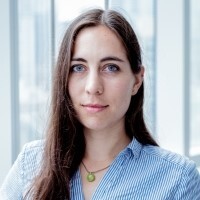 Dr. Stephanie Nishi is an Assistant Professor at Toronto Metropolitan University in Canada. She is also a Registered Dietitian (RD) and Professor Ad Honorem with the Unitat de Nutrició, Departament de Bioquímica i Biotecnologia at the Universitat Rovira i Virgili in Spain, where she was previously a CIHR (Canadian Institutes of Health Research) Post-Doctoral Fellow. She earned a combined MSc and RD in Nutrition and Dietetics from the University of Toronto and St. Michael´s Hospital, followed by a PhD from the Department of Nutritional Sciences, Temerty Faculty of Medicine, University of Toronto. Her research efforts focus on chronic disease prevention from a nutritional perspective (including cardiovascular, type 2 diabetes, and cognitive health), as well as advancing evidence-based practice and knowledge dissemination with the goal of informing public health policy and nutrition guidelines.
Personal webpage
Kin Israel Notarte, MD, MS, Johns Hopkins University School of Medicine, USA
Research Areas: HIV immunology, long COVID, tuberculosis, nontuberculous mycobacterial infections, clinical microbiology, vaccines, pharmacology, evidence-based medicine
 Kin Israel Notarte is a clinical scientist at the Johns Hopkins University School of Medicine. Originally from the Philippines, his current research centers on the immunologic and virologic determinants of HIV control, with particular emphasis on how humoral immune responses, immune activation, and host-pathogen interactions shape viral load outcomes among HIV controllers. His other research interests include vaccinology, diagnostics for tuberculosis and nontuberculous mycobacterial infections, the epidemiology of long COVID, and the pharmacologic characterization of microbial- and plant-derived compounds. He has authored over 70 publications, including three books, and serves as an editor for several journals, including the Scientific Reports, Frontiers in Immunology, and PLOS One. His many accolades include selection as a Bayer Fellow for the 72nd Lindau Nobel Laureate Meetings in Physiology or Medicine in Germany, the Top Prize Award for Excellence in Clinical Research from the Department of Pathology at Johns Hopkins, receipt of the Campbell Foundation HIV Research Grant for his work on pre-infection HIV controller antibodies, and the 2022 Outstanding Scientific Paper Award from the National Academy of Science and Technology in the Philippines. His work reflects a commitment to global health and the advancement of laboratory medicine.
Personal webpage
Stefan Plontke, PhD, Martin Luther University Halle-Wittenberg, Germany
Research areas: Drug delivery to the inner ear; cochleovestibular schwannomas; sudden hearing loss; cochlear implant.
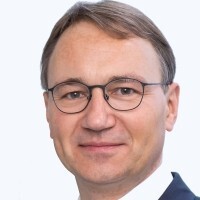 Stefan K. Plontke studied Medicine at the Humboldt-University (Charitè) in Berlin (Germany) and Aberdeen (UK) with clinical electives at the Massachusetts Eye and Ear Infirmary in Boston, and the University of Pennsylvania (UPenn) in Philadelphia (USA). He trained as an otolaryngologist at the University of Tübingen (Germany). For his doctoral thesis, he worked in the auditory research lab of James C. Saunders, Ph.D., at University of Pennsylvania on the regeneration of hearing after noise-induced hearing loss. Since 2001, he regularly worked with Alec N. Salt, Ph.D., at Washington University in St. Louis (USA) focusing on pharmacokinetic principles of and drug delivery to the inner ear. He received several research prizes from various scientific national and international societies and teaching prizes from the Universities of Tübingen and Halle. Prof. Plontke was President (2020/2021) of the German Society of Otorhinolaryngology, Head and Neck Surgery. He is current member of the Presidential Council of the European Confederation of Otorhinolaryngology-Head and Neck Surgery (CEORL-HNS) and conference president of the CEORL-HNS congress 2028 in Berlin, Germany. He is member of the Collegium ORLAS, member of the board of directors of the Prosper Menière Society, member of several editorial boards and editor in chief of the Journal 'HNO' (SpringerNature). His clinical research interests focus on otology, including cochlear implants and implantable electronic hearing systems, on lateral skull base surgery, audiology, middle and inner ear surgery, local drug delivery to the ear and outcome parameters for clinical trials.
Personal webpage
Timothy Rawson, PhD, Imperial College London, UK
orcid.org/0000-0002-2630-9722
Research areas: Antimicrobial stewardship, antimicrobial resistance, artificial intelligence, biosensor technology, antimicrobial dose optimisation
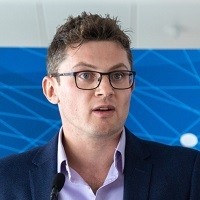 Tim is an NIHR Academic Clinical Fellow in Infectious Diseases and Medical Microbiology and honorary clinical lecturer at Imperial College London. He completed his PhD in 2018 working between the departments of Medicine, Bio-engineering, and Chemistry. His research interests surround precision use of antimicrobial agents. His research focuses on biosensor technology, antimicrobial dose optimisation, and machine learning.
Personal webpage
Arjee Restar, MPH, PhD, University of Washington, USA
orcid.org/0000-0003-2992-8198
Research areas: community engagement; transgender health; LGBTQ health; epidemiology; health policy
 Dr. Restar (she/her) applies epidemiologic methods to behavioral, social, structural, and health services research and policy to address inequities in health outcomes and access, particularly as experienced by communities of transgender and nonbinary people in the US and globally. She is expanding transgender health as a field by building research environments that produce high-quality evidence and using integrated methods in health community strategies, implementation science, behavioral economics, community engagement, among others. Dr. Restar's work aims to visibilize and address the myriad of health priorities of transgender and nonbinary communities at-large, along with community stakeholders, scientists, scholars, and trainees who are also paving this field forward. This work includes advocating for institutional policies and practices that dismantle systems of oppression, inequality, and inequity.
Personal webpage
Annika Rosenthal, PhD, Charité - Universitätsmedizin Berlin, Germany
Research Areas: Neurobiology, Addiction, Substance use disorders, Emotional regulation, Relapse prevention, Digital mental health, Mindfulness-based interventions, Mindfulness, Translational psychiatry, Psychotherapy research, fMRI, Neuroimaging, Behavioral neuroscience, Ecological Momentary Assessment (EMA), Virtual Reality (VR), Clinical trials in psychiatry
 Dr. Annika Rosenthal studied Psychology and Cognitive and Clinical Neuroscience at Maastricht University before completing her doctorate at Charité - Universitätsmedizin Berlin. Her doctoral research focused on the neurobiological mechanisms underlying addiction, with a particular emphasis on fMRI-based investigations of self-control, Pavlovian-to-instrumental transfer, and prefrontal cortex alterations in alcohol use disorder. She currently leads the Emotional Neuroscience research group at Charité, where her work combines neuroimaging with mindfulness-based and neuromodulatory interventions to better understand and treat alcohol use disorder. Her research aims to bridge the gap between neural mechanisms and clinical application, including the development of mindfulness-based relapse prevention approaches grounded in her neuroimaging findings.
Personal webpage
Ganna Rozhnova, PhD, University Medical Center Utrecht, The Netherlands
orcid.org/0000-0002-6725-7359
Research areas: mathematical modeling, infectious disease dynamics and control, public health measures, vaccination strategies, elimination; HIV, SARS-CoV-2, influenza, CMV, childhood infections
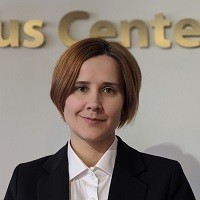 Dr Ganna Rozhnova is an Associate Professor in Infectious Disease Modeling at the University Medical Center Utrecht in the Netherlands and an affiliated collaborator at the BioISI—Biosystems & Integrative Sciences Institute in Portugal. Her research centers on the application of infectious disease modeling to answer questions and support evidence-based policymaking in public health. She is interested in the emergence, evolution and spatio-temporal dynamics of infectious diseases on different scales (e.g., within-host or on population-level) as well as in the evaluation of the impact of interventions such as, e.g., vaccination or treatment, on transmission. Her most recent research addresses the prospects of HIV elimination, the impact of promising HIV cure strategies on HIV transmission, and (post-)pandemic dynamics of SARS-CoV-2. Other applications include influenza, CMV and childhood infections. Dr Rozhnova is a recipient of highly competitive awards (PhD and postdoctoral fellowships from FCT, Award “Stimulus for Research” from Calouste Gulbenkian Foundation), institutional excellence programs and held appointments as visiting scientist at the University of California (Santa Barbara, USA), the Gladstone Institute of Immunology and Virology (San Francisco, USA), and the MRC Biostatistics Unit (Cambridge, UK). The main funders of her current research are Aidsfonds, FCT and ZonMw.
Personal webpage
Lidia Sabater, PhD, FCRB-IDIBAPS, Spain
orcid.org/0000-0001-8556-6166
Research areas: Pathogenic autoantibody mechanisms in autoimmune encephalitis and paraneoplastic syndromes
 Dr. Lidia Sabater is a biologist with a PhD in immunology, based in Barcelona, who is passionate about unraveling the link between neuroinflammation and neurodegeneration. Her research focuses on the study of pathogenic autoantibody mechanisms in autoimmune encephalitis and paraneoplastic syndromes. She leads several translational projects supported by competitive national and European funding, to investigate novel biomarkers and mechanisms underlying neuroimmune diseases. By bridging fundamental immunology with neuroscience, she aims to shed light on how chronic or misdirected immune activity can drive neurodegenerative processes. Her research combines a multifaceted approach including in vitro studies, animal models and clinical biomarkers. She collaborates actively with multidisciplinary teams across Europe and mentors early-career researchers interested in neuroimmunology. Dr. Sabater has authored numerous peer-reviewed publications. In addition to her laboratory research, she is committed to scientific outreach and to increasing awareness of autoimmune neurological conditions, emphasizing the need for better diagnostic tools and targeted therapies. Through her work, Dr. Sabater strives to advance our understanding of the intricate relationship between the immune system and the brain, ultimately contributing to improved outcomes for patients affected by these challenging disorders.
Personal webpage
Hojjat Salmasian, MD, MPH, PhD, Children's Hospital of Philadelphia, USA
orcid.org/0000-0002-9004-7149
Research areas: healthcare quality, patient safety, medical informatics, artificial intelligence
Dr. Hojjat Salmasian is Vice President and Chief Data and Analytics Officer at Children's Hospital of Philadelphia (CHOP) and Associate Professor of Pediatrics at University of Pennsylvania. He is a Primary Care Physician by background, an elected Fellow of both the American Medical Informatics Association (AMIA) and the American College of Medical Informatics (ACMI). He oversees the data and analytics strategy at CHOP and supervises the teams that lead data and analytics services, data platforms, data governance, and advanced analytics and data science. He also co-chairs the AI Governance Committee and co-leads Enterprise AI Strategy for CHOP. Dr. Salmasian's research focuses on healthcare quality and patient safety, and the role of health IT and artificial intelligence in those. He has coauthored more than 140 scientific publications.
Personal webpage
Amand Floriaan Schmidt, PhD, University College London, UK
orcid.org/0000-0003-1327-0424
Research areas: Genetically guided drug development, Mendelian randomisation, machine learning, network analytics.
 A. Floriaan Schmidt has received training in public health, clinical epidemiology, and mathematics and statistics. Floriaan completed a PhD on methods for personalized medicine with the Utrecht University in the Netherlands. Following his PhD, he accepted a position with University College London (UCL). Currently, Floriaan has a joined position with Amsterdam university medical centres and UCL. His research focusses on developing and applying human genetics for drug target validation. Additionally, Floriaan conducts research to improve risk prediction modelling for patient subgroups by integrating electronic healthcare records data with information from multi-model sources including genomics and metabolomics.
Personal webpage
Zhila Semnani-Azad, PhD, National University of Singapore Yong Loo Lin School of Medicine, Singapore
orcid.org/0000-0001-7822-5072
Research areas: Precision Medicine, Cardiometabolic Health, Diabetes, Obesity, Metabolomics, Nutrition, Epidemiology
 Zhila is a Senior Research Scientist at the National University of Singapore (NUS) Global Centre for Asian Women's Health and serves as Assistant Director for the NUS Yong Loo Lin School of Medicine’s Master of Science in Nutrition and Lifestyle Medicine Program. She is deeply passionate about integrating epidemiological methods with precision approaches to better understand factors influencing human health, with a particular focus on multi-ethnic and sex differences. After earning her PhD from the University of Toronto and completing postdoctoral training at the Harvard T.H. Chan School of Public Health, Zhila has dedicated her career to exploring how obesity and lifestyle factors affect cardiometabolic health. Her work combines high-throughput omics technologies—particularly metabolomics—with traditional epidemiological frameworks to uncover mechanisms linking obesity to type 2 diabetes, chronic kidney disease, and cardiovascular disease. Zhila’s research spans the entire life course, from early childhood to older adulthood, leveraging cohort studies across North America, Europe, and now Asia. In her current role, she is expanding this work to address critical knowledge gaps in cardiometabolic health, with a strategic emphasis on women’s health and ethnic diversity across Asian populations.
Personal webpage
Sagnik Sen, MD, St Thomas Hospital, Moorfields Eye Hospital, James Cook University Hospital, UK
orcid.org/ 0000-0001-5835-5371
Research areas: Ophthalmology, Vitreoretinal surgery, Medical retina, Uveitis, Epidemiology of eye diseases, Inherited retinal degeneration
 Dr Sagnik Sen is an ophthalmologist and vitreoretinal surgeon based in the UK. He is a consultant ophthalmologist at James Cook University Hospital, England. After finishing his initial ophthalmology and vitreoretinal surgery training in India, he underwent additional training in Medical Retina and Uveitis at Moorfields Eye Hospital, London and advanced vitreoretinal surgery at St Thomas' Hospital, London. He is also an Honorary Research Fellow at University College London. His everyday clinical work involves performing vision-saving retinal detachment surgeries, cataract surgeries and treating various complex diseases of retina and uvea. He received an MD in Ophthalmology at the All India Institute of Medical Sciences, New Delhi in 2018 and has conducted preclinical research in proteomics and its application in studying eye conditions, especially diabetic retinopathy and macular holes at Aravind Eye Hospital, Madurai. His work has helped in the characterisation of retinol binding protein 3 in serum extracellular vesicles and its potential as a biomarker for vision-threatening diabetic retinopathy. His primary clinical research interests involve characterisation of retinal imaging-based biomarkers and surgical outcomes analysis in vitreoretinal conditions. He has over 100 journal articles, including in esteemed journals like Progress in Retinal and Eye Research, Nature Machine Intelligence, Ophthalmology, Eye and Graefe's Archive for Clinical and Experimental Ophthalmology. His research has been acknowledged by the Vitreoretinal Society of India with the Prof Namperumalsamy Young Researcher Award in 2023, and he continues to serve as an Assistant Editor for the Indian Journal of Ophthalmology. He is passionate about preventative care in ophthalmology, artificial intelligence and predictive biomarkers of eye diseases.
Personal webpage
Bo Shan, PhD, Zhejiang University School of Medicine, China
Research Areas: Obesity, Metabolic diseases, Adipose tissue, Macrophages, Liver, Fibrosis, Tissue regeneration, Mesenchymal stromal cells
 Dr. Bo Shan is a Principal Investigator at the Institute of Translational Medicine, Zhejiang University. He earned his Bachelor's degree in Biotechnology from Shandong University and completed his Ph.D. in Biochemistry and Molecular Biology at the Institute of Nutritional Sciences, Chinese Academy of Sciences. Following his doctoral studies, Bo Shan pursued postdoctoral training in the Rana K. Gupta Lab at UT Southwestern Medical Center, where he investigated metabolic remodeling in adipose tissue biology. He joined Zhejiang University as an independent investigator, establishing a research group focused on understanding the dynamic interplay between immune and metabolic microenvironments in liver and adipose tissue. His work aims to unravel how these tissues adapt and remodel under physiological stress and diseases, with implications for metabolic disorders, inflammation, and tissue regeneration.
Personal webpage
Jinghao Sheng, PhD, Zhejiang University, China
Research Areas: Environmental Medicine, Gut Microbiota, Inflammatory Bowel Disease, Colorectal Cancer, Metabolism, RNA, MASH, Tumorigenesis, Hepatocellular Carcinoma
 Dr. Jinghao Sheng is a Professor at the School of Public Health, Zhejiang University, China. He holds a Ph.D. from Zhejiang University. His research focuses on environment-related diseases, with particular emphasis on how emerging contaminants contribute to the development of hepatic and intestinal disorders. Integrating population-based cohort studies with experimental approaches — including disease-specific animal models, organoid systems, and single-cell sequencing — his work establishes epidemiological links between environmental pollutant exposure and disease risk, and further elucidates the underlying causal mechanisms at the molecular level. Dr. Sheng also translates these mechanistic insights into targeted prevention and intervention strategies, contributing to the broader goal of reducing environmentally driven disease burden and improving population health
Personal webpage
Kazuki Sugahara, MD, PhD, Columbia University, USA
orcid.org/0000-0002-4946-192X
Research areas: Gastrointestinal cancer surgery, Pancreatic cancer, cancer therapy delivery
 Dr. Kazuki N. Sugahara is a surgeon scientist at Columbia University who specializes in pancreatic cancer. Dr. Sugahara studies drug delivery systems to enhance cancer diagnosis and therapy, and holds multiple patents related to his discoveries. He has developed various tumor-targeting peptides as a drug delivery scaffold including the iRGD tumor-penetrating peptide, which is now in multiple phase 1 and phase 2 clinical trials for the treatment of pancreatic cancer and other GI cancers in several countries. Dr. Sugahara also uses his peptides as a tool to discover targetable novel signatures in the tumor microenvironment. Using this approach, he has developed an immunotherapy approach that is now being validated in cancer patients.
Personal webpage
Xiaochao Tan, PhD, Tulane University, USA
orcid.org /0000-0002-8603-5700
Research areas: Centers on the role of Golgi proteins and the secretory pathway in lung cancer growth and metastasis. Frequent amplification and upregulation of Golgi genes enhance oncogenic secretion, establishing a foundation for the emerging field of Golgi dysregulation in cancer progression. Discoveries into therapeutic opportunities by identifying and targeting vulnerabilities within the Golgi secretory machinery. New strategies for treating lung cancer through the development of therapies that disrupt cancer-promoting secretion.
 Dr. Xiaochao Tan is an Assistant Professor and cancer biologist at Tulane University. His research focuses on how Golgi proteins and the secretory pathway drive lung cancer growth and metastasis. He has uncovered frequent amplification and dysregulation of Golgi genes in lung cancer, revealing their role in promoting oncogenic secretion and identifying new opportunities for therapeutic intervention. Dr. Tan has published in leading journals, including The Journal of Clinical Investigation, Science Translational Medicine, Science Advances, and PNAS. His work has been recognized with awards from the Lung Cancer Research Foundation and funding from the NIH. Through these efforts, Dr. Tan aims to translate fundamental mechanistic insights into novel therapeutic strategies for lung cancer.
Personal webpage
Soroosh Tayebi Arasteh, PhD, University Hospital RWTH Aachen, Germany
orcid.org/0000-0003-1015-7733
Research areas: Artificial intelligence in medicine, generative AI, multimodal learning, privacy-preserving AI, computer-aided diagnosis, medical image analysis
 Soroosh Tayebi Arasteh is a postdoctoral researcher in the Department of Diagnostic and Interventional Radiology at University Hospital RWTH Aachen and a postdoctoral scholar at Stanford University. He completed his master’s degree in electrical engineering at FAU Erlangen-Nuremberg, during which he conducted his thesis research at Harvard Medical School. Building on this interdisciplinary foundation, he pursued doctoral studies in both engineering and medicine, earning a PhD in computer science from FAU Erlangen-Nuremberg and a PhD in theoretical medicine from RWTH Aachen University. Dr. Tayebi Arasteh’s research focuses on the development and clinical translation of artificial intelligence techniques for healthcare, with particular emphasis on generative and multimodal AI, privacy-preserving machine learning, and computer-aided diagnostics and prognostics. He has authored first-author publications in journals such as Nature Communications, Radiology, Radiology: Artificial Intelligence, Medical Image Analysis, and Communications Medicine. His academic and applied research spans diverse data types—image, video, speech, and text—across various medical imaging modalities. In addition to his research, he has served as a lecturer at FAU Erlangen-Nürnberg and RWTH Aachen University, and actively contributes to international collaborations in medical AI.
Personal webpage
Sui Seng Tee, PhD, University of Maryland, Baltimore, USA
orcid.org/0000-0002-9891-4622
Research areas: metabolism, cancer, imaging, liver disease, MRI
 Dr. Tee is an Assistant Professor in the Department of Diagnostic Radiology and Nuclear Medicine, University of Maryland School of Medicine. He received his undergraduate and graduate degrees at the University of Cambridge, and postdoctoral training at Stanford University and Memorial Sloan Kettering Cancer Center. His research focuses on the role of metabolism in health and disease, with an emphasis on technologies that can quantify changes in nutrient flux. A central approach of the lab is to combine MRI-based imaging technologies with classical molecular biology and metabolomics approaches, to elucidate the drivers and consequences of altered metabolism in cell lines, animal models and ultimately, in translational clinical trials. Currently, a key area of interest is the control fructose metabolism, with has significant implications for potentially delaying cancer progression, as well as improving overall metabolic health.
Personal webpage
Larisa Gennadievna Tereshchenko, PhD, Cleveland Clinic, USA
Research Areas: Biomedical and Clinical Sciences
 Dr. Larisa Tereshchenko is an Associate Professor of Medicine at the Cleveland Clinic Lerner College of Medicine of Case Western Reserve University and an Adjunct Associate Professor of Electrical Engineering and Computer Science at Cleveland State University. She has a broad background in clinical investigation, cardiology, cardiac electrophysiology and electrocardiology, biomedical engineering, biophysics, randomized controlled trials, epidemiology, biostatistics, bioinformatics, and genomics.She is a Physician Certified Cardiac Device Specialist (CCDS) and a Fellow of the Heart Rhythm Society (HRS), American Heart Association (AHA), American College of Cardiology (ACC), Society for Clinical Trials (SCT), and International Society for Holter and Noninvasive Electrocardiology (ISHNE). She was the President of the 2017 International Congress on Electrocardiology (the first joint ISE/ISHNE meeting), 2022-23 Chair of the Society for Clinical Trials Education Committee, a member of the Society for Epidemiological Research (SER) Scientific Dissemination Committee, a member of the Heart Failure Society of America (HFSA) Research Committee, and a member of the Society for Causal Inference.
Personal webpage
Sathish Thirunavukkarasu, PhD, Emory University, USA
orcid.org/0000-0002-2016-4964
Research areas: Epidemiology and prevention of type 2 diabetes and cardiovascular disease; Precision prevention of type 2 diabetes through lifestyle interventions; and COVID-19 and new-onset diabetes
 Sathish Thirunavukkarasu holds the position of Assistant Professor in the Department of Family and Preventive Medicine at Emory University School of Medicine in Atlanta, USA. He obtained his Medical Degree, a Diploma in Family Medicine, and a Master's Degree in Public Health in India. Additionally, he earned a Ph.D. in Epidemiology from the University of Melbourne in Australia. Following his doctoral studies, Sathish underwent two years of post-doctoral training at Nanyang Technological University in Singapore, followed by an additional three years at McMaster University in Canada. With expertise spanning over a decade in clinical science, epidemiology, statistics, health economics, and implementation science, Sathish's primary research focuses on ""Precision Prevention of Type 2 Diabetes"" through lifestyle interventions. He is also involved in investigating the relationship between COVID-19 and new-onset diabetes. Notably, Sathish has authored articles in distinguished medical and public health journals, including Nature Reviews Endocrinology, The Lancet Diabetes and Endocrinology, The Lancet Global Health, Annual Review of Public Health, and Diabetes Care.
Personal webpage
Milenna Van Dijk, PhD, Columbia University and New York State Psychiatric Institute, USA
orcid.org/0000-0002-7936-2746
Research areas: Mood disorders and suicide, intergenerational transmission, hippocampal neuroscience, translational epidemiology, genes x environment interactions
 Milenna van Dijk received her PhD in Biomedical Sciences with a focus on Neuroscience from New York University. Her research focused on hippocampal mechanisms of memory discrimination using single unit recordings in awake behaving mice and optogenetics. She then applied those mechanisms during her postdoc position in translational neuroscience and epidemiology at Columbia University. She now is an Assistant Professor of Neurobiology in Psychiatry at Columbia University. The goal of her research program is to use translational and interdisciplinary approaches to understand susceptibility and resilience to depression and suicide. Since depression and suicide have been rising, especially in youth, it is urgent to elucidate underlying genetic and environmental risk factors, and how they interact, and to understand the neurobiological mechanisms underlying resilience, to be able to effectively implement personalized interventions. She has received several early career awards, and has first author publications in high-impact journals including JAMA Psychiatry, Nature Communications, and Neuron.
Personal webpage
Patrick Walker, PhD, Imperial College London, UK
orcid.org/0000-0002-9596-9628
Research areas: Mathematical modelling, malaria transmission dynamics and burden, COVID-19 dynamics, malaria in pregnancy, malaria surveillance
 Dr Patrick Walker is a Lecturer in Infectious Disease Epidemiology within the MRC Centre for Global Infectious Disease Analytics at Imperial College London (UK). His work primarily focuses upon mathematical models of the dynamics of malaria transmission and burden with a particular focus upon malaria in pregnancy. A key current research interest is the use of data collected from pregnant women attending antenatal care to better improve malaria surveillance and prevention, both in pregnant women and as a sentinel surveillance resource to measure wider community trends. Recently he has been heavily involved in the centre’s COVID-19 response team leading work on projecting the global impact of the disease and options for mitigation and suppression of transmission.
Personal webpage
Horas Wang, PhD, The University of Sydney, Australia
orcid.org/ 0000-0001-8473-1086
Research areas: Gender and Sexuality; Migration and health; Culturally Safe Healthcare; HIV/AIDS and Sexually Transmissible Infections; Qualitative and Mixed-Methods Research; Community-Based Research; Co-design research; Health Equity and Justice; Interprofessional Education
 Dr. Horas Wong is a Senior Lecturer (Teaching and Research) at the University of Sydney, Australia. With a multidisciplinary background in nursing, public health, anthropology, and health social sciences, he takes a comprehensive and thoughtful approach to his work. His research expertise includes gender and sexuality, migration, culturally safe healthcare, and qualitative and mixed-methods research, with a particular focus on community-based approaches. His teaching and research are driven by a commitment to health equity and justice. He aims to address disparities in healthcare access and outcomes, particularly for marginalised populations. Grounded in collaboration and respect, his work seeks to empower communities and foster meaningful improvements in public health and healthcare accessibility, contributing to the advancement of inclusive and equitable healthcare practices.
Personal webpage
Ningjian Wang, PhD, Shanghai Ninth People's Hospital, Shanghai JiaoTong University School of Medicine, China
Research Areas: Diabetes, obesity, MASLD, cardiometabolic disease, ASCVD, atrial fibrillation, heart failure
 Dr. Ningjian Wang earned his PhD in Medicine from Shanghai Jiao Tong University School of Medicine. He is currently the Director of the Endocrinology Department at Shanghai Pudong Gongli Hospital and a Fellow of the American College of Cardiology (FACC). His research focuses on the "metabolic-cardiovascular axis," specifically investigating how metabolic disorders like diabetes lead to cardiovascular complications such as atrial fibrillation. His lab employs large-scale cohort studies and multi-omics approaches to identify novel risk factors and pathophysiological mechanisms. The goal is to establish better prevention and management strategies for these interconnected diseases.
Personal webpage
Wei Wang, PhD, Zhejiang University, China
Research Areas: The neural mechanisms of neurological disorders (particularly headaches), neuroelectrophysiological mechanisms in human and animal models, and the genetic, transcriptomic, and epigenetic mechanisms underlying these conditions.
 Wei Wang, MD, PhD, is a neurologist and neuroscientist at Sir Run Run Shaw Hospital, School of Medicine, Zhejiang University, China. He is the Editor in Chief of Brain Conflux and serves on the editorial boards of The Journal of Headache and Pain, Pain and Therapy, Advances in Therapy, SN Comprehensive Clinical Medicine, and Medicine Advances et al. He is also an international partner of COST (European Cooperation in Science and Technology).Dr. Wang holds multiple authorized patents and has contributed to three national guidelines of the Chinese Medical Association, as well as several international monographs. His research primarily focuses on applying multimodal neuroimaging techniques to explore the neural mechanisms of neurological disorders (particularly headaches), neuroelectrophysiological mechanisms in human and animal models, and the genetic, transcriptomic, and epigenetic mechanisms underlying these conditions.
Xi Wang, PhD, Beijing Ditan Hospital, Capital Medical University, China
Research Areas: Epigenetic Regulation of Tumor Immunity: Focus on immunotherapy based on natural killer (NK) cells. Epigenetic Regulation of Infectious Immunity: Investigate the role of chromatin in diseases caused by viruses and examine how viruses exploit the host's epigenetic machinery for survival, amplification, and transcription. The Role of Gut Microbes in Liver Diseases: Highlight their influence on liver cancer.
 Dr. Xi Wang is the Director of the Beijing Infectious Diseases Research Center, and he also serves as the Director of the National Center for Infectious Disease Medicine and the Research Institute of Ditan Hospital, Capital Medical University. He is a Professor, Researcher, and doctoral advisor at Capital Medical University. Dr. Wang is the Principal Investigator of the National Key Laboratory for Infectious Disease Source Tracing and Intelligent Decision-Making and serves as the Deputy Director of the Beijing Key Laboratory for Viral Infectious Disease Research. Additionally, he holds the position of Deputy Director for both the Department of Oncology and the Children's Hematology Oncology Treatment and Research Center at Capital Medical University. Dr. Wang received his undergraduate and master's degrees from Peking University (formerly Beijing Medical University) and earned his Ph.D. in Cell and Developmental Biology from Pennsylvania State University in the United States. After completing his postdoctoral training at Harvard Medical School, he worked there for 4 years as a Pediatric Lecturer. His research primarily focuses on the epigenetic regulation of infectious and tumor immunity, as well as its clinical translation. He has published numerous high-impact articles in prestigious journals, including PNAS, Nature Medicine, Cancer Cell, and Science Signaling, with a total impact factor of 758.5 and an H-index of 23. His works have been cited nearly 2300 times, with a single article reaching 775 citations. Dr. Wang has secured significant funding as a principal investigator, including three major subprojects from the Ministry of Science and Technology (totaling 9.72 million RMB), four National Natural Science Foundation grants, and various local public health and innovative team grants. He has received numerous honors, including recognition as a Leading Talent in Public Health in Beijing. In addition to his research, Dr. Wang is actively involved in various professional organizations, serving as the Chair of the Infectious Diseases Professional Committee of the Beijing Chronic Disease Prevention and Health Education Association and as a board member of the Chinese Biophysical Society.
Personal webpage
Dhammika Leshan Wannigama, PhD, Yamagata University Faculty of Medicine, Japan
Research Areas: Refugee and migrant health - Global, Marginalized Health, LGBTQ health, Sexually transmitted disease, Health Emergency and Disaster Risk Management (Health EDRM), Global health policy, Neglected tropical diseases, Conflicts and health, Infectious disease epidemiology, Pandemic Prevention, Infectious disease, Antimicrobial Resistance, Respiratory infection, Emerging infectious diseases, Epidemiology, Biofilm
 Dr. Leshan Wannigama, MD, PhD is an Assistant Professor in the Department of Infectious Diseases at the Yamagata University Faculty of Medicine, Japan. He is also a Co-Principal Investigator of the Pathogen Hunters Research Collaborative Team, based in Japan and Thailand, where his work focuses on novel therapies, diagnostics, prognostic markers, surveillance, and drug repurposing for infectious diseases. His research is centered on advancing pathogen surveillance in underserved and high-risk settings. He leads initiatives that track infectious diseases in urban slums, where overcrowding, limited sanitation, and poor access to antibiotics create ideal conditions for disease transmission and antimicrobial resistance. His work extends to marginalized populations, including LGBTQIA+ communities who often face barriers to healthcare and are underrepresented in formal surveillance systems. He also operates in remote and resource-limited environments, including isolated islands, forest-edge settlements, rural clinics, and conflict-affected regions where conventional health infrastructure is minimal or absent.
Personal webpage
Yinghui Wei, PhD, University of Plymouth, UK
orcid.org/0000-0002-7873-0009
Research areas: Statistical methods and modelling, infectious disease epidemiology, clinical trials, observational studies, evidence synthesis, meta-analysis
 Dr Yinghui Wei is Associate Professor of Statistics at the University of Plymouth. Her primary research interests include the development of statistical methodology and the substantive applications to medicine, clinical trials, observational studies and evidence synthesis, as well as using data to answer health-related research questions.
Personal webpage
Monica Wojcik, PhD, Boston Children's Hospital, MA, USA
orcid.org/ 0000-0002-8162-5031
Research areas: genetics, genomics, neonatal-perinatal medicine, equity, genomic medicine, neonatal/infant mortality
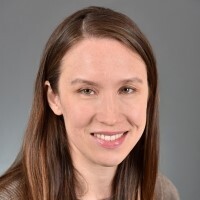 Dr. Wojcik is a neonatologist and clinical geneticist at Boston Children’s Hospital and an assistant professor in pediatrics at Harvard Medical School who specializes both clinically and academically in rare diseases affecting the fetus and neonate. She currently serves as the Director of the Neonatal Genomics Program at Boston Children’s Hospital and the Medical Director of the Manton Center for Orphan Disease Research. Dr. Wojcik’s research focuses on patient-centered outcomes related to the application of genomic medicine in the perinatal setting, particularly the neonatal intensive care unit, understanding genetic causes of perinatal mortality via genomic autopsy, and addressing inequities in rare disease genomics.
Lab webpage.
Jie Wu, PhD, College of Medicine, Zhejiang University, China
Research Areas: Epidemiological research of infectious disease prevention and control, clinical big data analysis and data mining research
 Dr. Wu is a Senior Researcher at the First Affiliated Hospital, Zhejiang University School of Medicine. He holds a PhD in Epidemiology from the University of California, Los Angeles (UCLA). His research focuses on infectious disease epidemiology, particularly the application of big data analytics and the construction of mathematical models for the prevention and control of HIV and viral hepatitis. He also conducts dedicated research in statistical modeling for clinical study design. Through this work, he seeks to deepen the understanding of disease transmission dynamics, optimize clinical research strategies, and inform public health interventions. Drawing on his experience leading multiple national-level projects and publishing first-author papers in top-tier journals like Gastroenterology, Hepatology, and Clinical Infectious Diseases, his work bridges complex data science with clinical and public health applications to improve outcomes for patients with infectious diseases
Personal webpage
Yin Wu, PhD, Shanghai Jiao Tong University School of Public Health, China
Research Areas: Psychiatric epidemiology, big data in psychology, mental health screening, advanced quantitative methods in psychiatry, public mental health management
 Dr. Yin Wu is a tenured full professor and principal investigator in the School of Public Health at Shanghai Jiao Tong University School of Medicine. She conducts cross-disciplinary research spanning psychiatric epidemiology, public health management, and quantitative psychology. Her work focuses on applying big data analytics and advanced psychometric methods to improve physical and mental health and well-being. She is a steering committee member of the international DEPRESSD Project (DEPRESsion Screening Data Project), contributing to global collaborative efforts in depression screening and diagnostic accuracy research. As Principal Investigator, Dr. Wu has secured competitive funding from the National Natural Science Foundation of China, the Government of Quebec, and several non-profit organizations. Since 2020, she has published 43 peer-reviewed articles, including eight as first author, with five appearing in leading journals such as The BMJ, Psychotherapy and Psychosomatics, and Psychological Medicine. Her study verifying the equivalency of the diagnostic accuracy of the PHQ-8 and PHQ-9 was recognized as an ESI Highly Cited Paper in 2021 and has been cited more than 440 times worldwide. Dr. Wu also serves as a peer reviewer for leading journals including JAMA Psychiatry, Psychotherapy and Psychosomatics, and Psychological Medicine.
Personal webpage
Daqian Xu, PhD, Zhejiang University School of Medicine and Institute of Translational Medicine & The First Affiliated Hospital, China
Research Areas: Tumor metabolism
 Dr. Daqian Xu is a Principal Investigator and Doctoral Supervisor at the Institute of Translational Medicine, Zhejiang University. His research focuses on cancer metabolic reprogramming, investigating how tumor cells alter metabolic pathways and how metabolic enzymes can acquire non‑metabolic functions within the unique tumor microenvironment. He earned his Ph.D. through a continuous Master–Ph.D. program at the Shanghai Institute for Biological Sciences, Chinese Academy of Sciences, and completed his Bachelor’s degree at Xiamen University. Dr. Xu conducted postdoctoral training at New York University School of Medicine and the MD Anderson Cancer Center, where he was awarded the prestigious Odyssey Fellowship.
Personal webpage
Xiaolin Xu, PhD, MMed, BMed, Zhejiang University, China
orcid.org/0000-0002-8203-9878
Research areas: Chronic disease epidemiology; Life-course Epidemiology; Cohort Study and Longitudinal Data Analysis; Global Health
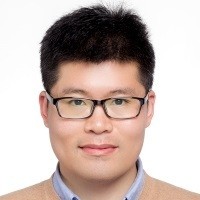 Xiaolin Xu (PhD, MMed, BMed) is a tenure-track assistant professor (hundred talents program) at the School of Public Health and research professor (joint appointment) at the Second Affiliated Hospital School of Medicine, Zhejiang University. He is also an adjunct research fellow at the School of Public Health, The University of Queensland (Australia). His research interests include the epidemiology and prevention of multiple risk factors and chronic diseases (multimorbidity) using life-course approaches, promotion of women’s health, and implementations of big data in clinical and public health practice. Research from these major studies have contributed to his career for over 100 scientific papers, book chapters, and technical and policy reports. He has received funding from national and international agencies, including China Medical Board and Bill & Melinda Gates Foundation to support his research. He was the recipient of World Ranking of Top 2% Scientists (2023). He was formerly a research assistant in the Global Health Research Center at Duke Kunshan University. He also worked and interned in a healthcare consulting company in Shanghai and London, and the Headquarter of the World Health Organization in Geneva.
Personal webpage
Yuxiao Yang, PhD, Zhejiang University, China
Research Areas: Brain-Computer Interface (BCI), Treatment of Neuropsychiatric Disorders, Neural Encoding and Decoding, Adaptive Neuromodulation, Artificial Intelligence
 Yuxiao Yang is an Assistant Professor at the MOE Frontier Science Center for Brain Science and Brain-machine Integration and the State Key Laboratory of Brain-machine Intelligence, Zhejiang University. Prior to joining Zhejiang University, he was an Assistant Professor of Electrical and Computer Engineering (ECE) at the University of Central Florida (UCF). He received a Ph.D. degree in ECE from University of Southern California in 2019 and received a B.S. degree in Electronics Engineering from Tsinghua University in 2013. His research centers on designing closed-loop brain-machine interface systems for neural decoding and control, aiming to provide new therapies for neurological and neuropsychiatric disorders. He has published in prestigious neural engineering journals, including cover articles in Nature Biotechnology and Nature Biomedical Engineering. He received the China BMI Rising Star Award in 2025, the Annual Brain-Computer Interface Award in 2019, and the IEEE EMBS Best Student Paper Award in 2015.
Personal webpage
Zhong Yi, PhD, Shanghai Institute of Immunotherapy Innovation-Researcher, China
Research areas: T cell differentiation, transcriptional regulation, systems immunology, cancer immunology, immunotherapy.
 Dr. Zhong, PI of Renji Hospital/Shanghai Immune Therapy Institute, Shanghai Jiao Tong University School of Medicine, Shanghai, China, and PhD supervisor. He is a MARIE-CURIE Scholar of the European Commission's Academy of Cutting-Edge Sciences, and a Shanghai Outstanding Young Academic Leader.He received his PhD degree in Bioinformatics from the University of Tübingen, Germany in 2016. He then worked as a postdoctoral researcher in Immunology at Memorial Sloan Kettering Cancer Center/Howard Hughes Medical Institute, U.S. He joined Renji Hospital, Shanghai Jiaotong University School of Medicine, as a talent recruiting pathway in 2021, and conducts research at the intersection of the frontiers of systems immunology and computational biology. Dr. Zhong has published several important research articles in Nature Immunology (2022), Immunity (2019, 2020), Cell Research (2010, 2011) and Bioinformatics (2017) as the first and corresponding author. The team's research is characterised as cross-disciplinary integration that use cell biology, computational biology, epigenetics, single-cell sequencing technology and other strategies to answer immunological questions. Home: zhong-lab.com.
Personal webpage
Joo Heung Yoon, MD, University of Pittsburgh, USA
orcid.org/0000-0002-0127-8384
Research areas: machine learning; artificial intelligence; critical care medicine; pulmonary medicine; cardiovascular physiology
 Dr. Yoon is an NIH-funded physician-scientist with focus on the signal processing and development of machine learning (ML) models using multigranular ICU data for the prediction and treatment of the critically-ill conditions. Clinically, he is a board-certified pulmonologist and critical care medicine physician. Dr. Yoon has a broad interest in ML model development, implementation, and human-computer interaction (HCI).
Personal webpage
Di Yu, PhD, The University of Queensland, Australia
orcid.org/0000-0003-1721-8922
Research areas: Immunology, autoimmune disease, infection, cancer, immunotherapy
 Dr Di Yu is a Professor of Immunology at the University of Queensland Diamantina Institute in Brisbane, Australia. He received his PhD from the Australian National University in 2007 and postdoctoral training at the Garvan Institute of Medical Research till 2010. Before joining the University of Queensland, he was a faculty member at Monash University from 2011 and the Australian National University ANU from 2017-2019. He leads the research team to investigate the mechanisms underlying the operations of T cell functional subsets cells in human health and disease, and aim to design new strategies to monitor personal immune status and modulate immune pathways to treat autoimmune diseases, infection and cancer.
Personal webpage
Wei Zhao, PhD, Beihang University, China
orcid.org/0000-0002-6182-4746
Research areas: Medical Physics, CT, image-guided radiotherapy
Wei Zhao’s research focuses on X-ray imaging, computed tomography (CT) imaging, image-guided radiation therapy, and related areas within medical physics. With a strong interest in developing high-performance X-ray CT imaging systems and advanced imaging algorithms, Wei is dedicated to translating these innovations into practical industrial and clinical applications.
Personal webpage
Yulei Zhao, PhD, School of basic medical sciences, Fudan University, Shanghai, China
Research Areas: Cancer therapy, cancer drug resistance, tumor-ecosystem, functional genetic screening, non-cell autonomous regulation
 Yulei is a Principal Investigator at Fudan University, where she leads a research program dedicated to uncovering the mechanisms of cancer drug resistance and identifying novel therapeutic targets. Her career is distinguished by extensive international collaboration, including pivotal research on KRAS inhibitors as a Research Scholar at Memorial Sloan Kettering Cancer Center in the United States, following her Ph.D. training in Canada. This global trajectory is reflected in her high-impact publications and her success in securing competitive funding from both the United States (Revson Fellowship) and China (NSFC).
Personal webpage
Wenbin Zhang, PhD, Florida International University, USA
orcid.org/0000-0003-3024-5415
Research areas: Machine learning for health, health equity, AI Alignment, Generative AI, Interdisciplinary
 Dr. Wenbin Zhang is an Assistant Professor in the Knight Foundation School of Computing & Information Sciences at Florida International University, and an Associate Member at the Te Ipu o te Mahara Artificial Intelligence Institute. His research investigates the theoretical foundations of machine learning with a focus on societal impact and welfare. In addition, he has worked in a number of application areas, highlighted by work on healthcare. He is a recipient of best paper awards/candidates at ECML PKDD'25, FAccT’23, ICDM’23, DAMI, and ICDM’21, as well as the NSF CRII Award and recognition in the AAAI’24 New Faculty Highlights. He also regularly serves on conference organizing committees and journal editorial boards across computer science and interdisciplinary venues, including as Travel Award Chair for AAAI'25, Volunteer Chair for WSDM’24, Associate Editor for ACM Computing Surveys, and Action Editor for Data Mining and Knowledge Discovery.
Personal webpage
Mihaela Zigman, PhD, Ludwig-Maximilians-Universität München (LMU) & Max Planck Institute of Quantum Optics (MPQ), Germany
orcid.org/0000-0001-8306-1922
Research areas: systems biology, multi-omics, infrared molecular spectroscopy
 Mihaela Zigman is a molecular biologist specializing in systems-level molecular medicine and analytical profiling. She is dedicated to advancing the understanding of human health and disease. At the intersection of laser physics and biomedical research, she leads a research group at Ludwig-Maximilians University (LMU) and the Max Planck Institute of Quantum Optics (MPQ) in Munich. Her team is at the forefront of developing and applying infrared spectroscopy technologies to enhance biomedical diagnostics. She is also the founder and coordinator of Lasers4Life (L4L), a large-scale, multi-center scientific initiative focused on developing and validating infrared molecular fingerprinting for in vitro cancer diagnostics and population-wide screening. Her work bridges ultrashort pulse physics, optics, molecular diagnostics, and cancer research, with a strong emphasis on translating scientific innovation into clinical practice and impactful medical applications.
Personal webpage
Interested in becoming an Editorial Board Member?
We will be expanding or Editorial Board as the journal grows and welcome applications for Editorial Board members across all clinical, translational and public health research fields. In an effort to be more inclusive of the research community as a whole, we are particularly interested in recruiting Early Career Researchers (individuals who completed their PhD or medical degree less than 10 years ago and hold a non-tenured position). We are also aiming for an equitable demographic representation within our Editorial Board, for example, with respect to gender, ethnicity and geography, and would encourage applications from a diverse pool of interested researchers.
As an Editorial Board Member for Communications Medicine you would be expected to share the same passion as the in-house editors to serve our communities by assessing, selecting and helping to improve the papers that the journal publishes. You should be willing to handle at least 3 manuscripts per month. We hope that this role would provide you with insight into the editorial process and foster a rich collaboration with our in-house team of professional editors.
Members of the Editorial Board will be given access to training modules to help develop their editorial skills, and our in-house editorial and administrative teams will be on hand to provide additional support where required.
If you would like to be considered as an Editorial Board Member for Communications Medicine, please complete this application form.
If you are not able to use Google forms, you may send an email to commsmed@nature.com. Please include your name in the subject line and the following information in the email:
- Your general subject area and types of manuscripts you would like to handle
- Your CV and/or link to your research website
- A brief statement about why you would like to be considered as an Editorial Board Member
Please note that we will keep your information only for the purposes of contacting you as a potential Editorial Board Member. If you would like us to delete your information at any time, please contact us.
Unfortunately, we are not able to respond to all applicants.
