
Special |
Collections
-
-
Special |
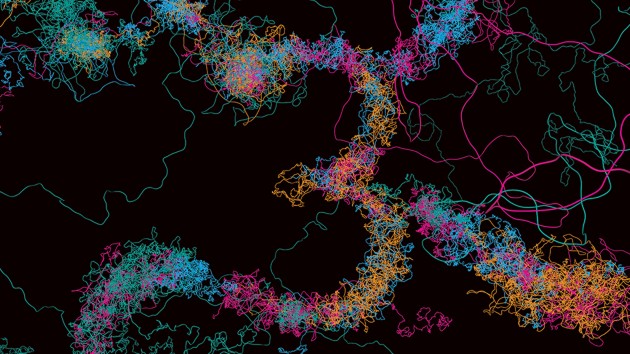 ENCODE 3
How cells, tissues and organisms interpret the information encoded in the genome has vital implications for our understanding of development, health and disease. Launched in 2003, the ENCyclopedia of DNA Elements (ENCODE) project aims to map the functional elements in the human genome (later expanded to include model organisms).
Image: StoryTK -
Special |
 TRACERx
Cancers evolve at a dynamic pace to adapt to immune pressure, colonize new niches, and evade therapy. Tracking these changes can help us improve diagnosis, better tailor therapies, and forestall recurrence, but it requires intensive monitoring beyond current clinical practice.
Image: Jeroen Claus / Phospho Biomedical Animation -
Special |
 Pan-Cancer Analysis of Whole Genomes
Cancer is a disease of the genome, caused by a cell's acquisition of somatic mutations in key cancer genes.
Image: Nik Spencer/Nature
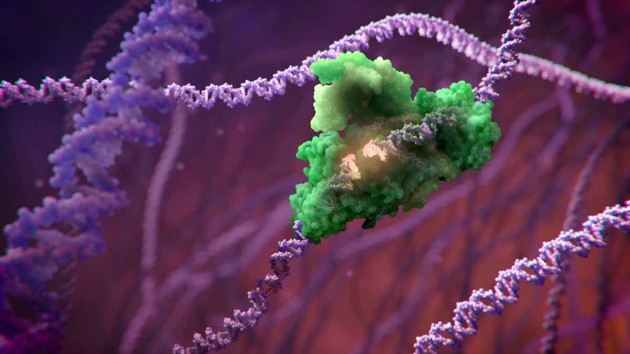 SCGE
SCGE
