
About the Editors
Editor-in-Chief
 Jordi Gracia-Sancho, PhD
IDIBAPS - Hospital Clínic Barcelona - CIBEREHD, Barcelona, Spain
Jordi Gracia-Sancho is Research Professor in Translational Hepatology at the IDIBAPS Research Institute – Hospital Clínic de Barcelona, Associate Researcher at the Department of Visceral Surgery and Medicine – University of Bern, & Deputy Scientific Director of the Spanish Consortium on Liver & Digestive Diseases Research (CIBEREHD). His research focuses on liver vascular pathobiology with special interest in the role of sinusoidal cells, and their interactions, in acute and chronic liver diseases, fibrosis and aging. Jordi is member of the Steering Committees of the Basic Research Committee and the Portal Hypertension Special Interest Group of the American Association for the Study of Liver Diseases (AASLD), the Baveno Cooperation Consortium, and the Spanish Association for the Study of the Liver. In 2016 he received the Emerging Leader Award from the European Association for the Study of the Liver (EASL). He served as Scientific Secretary of the International Society for Hepatic Sinusoidal Research (ISHSR) from 2017-2022, being now the President-Elect of this Society. He previously served as Associated Editor of the Journal of Hepatology. Jordi received his PhD from the University of Barcelona Medical School and completed post-doctoral training at the Center for Excellence in Vascular Biology - Harvard Medical School & Brigham and Women’s Hospital. In 2012 he obtained the “Ramón y Cajal” Spanish tenure-track position and then promoted to his current senior position.
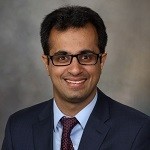 Madhusudan Grover, MD
Mayo Clinic, Rochester, MN, USA
Madhu Grover is an Associate Professor in the Department of Medicine and Department of Physiology and Biomedical Engineering at Mayo Clinic in Rochester, Minnesota. He is the director of the Gut Barrier Function Laboratory housed within the Enteric Neuroscience program. His National Institutes of Health (NIH)-funded program focusses on microbiota-based mechanisms of irritable bowel syndrome as well as enteric nervous- and immune-mediated pathobiology of gastroparesis. He consults for industry as well as conducts mechanistic studies and clinical trials for disorders of gut-brain interactions. He is chair of the Rome Foundation Biomarker core as well as member-elect of the Rome Foundation global board. He serves on the American Gastroenterological Association (AGA) research awards panel, steering and executive committees of the NIH gastroparesis clinical research consortium, as well as on the editorial boards for AGA and American Neurogastroenterology and Motility Society (ANMS) sponsored journals. Madhu completed his medical school in New Delhi, India followed by internal medicine residency at Michigan State University and gastroenterology and hepatology fellowship at Mayo Clinic.
Associate Editors
 Manasi Agrawal, MS
Icahn School of Medicine at Mount Sinai, New York, NY, USA
Dr. Manasi Agrawal is an Assistant Professor of Medicine at the Dr. Henry D. Janowitzs Division of Gastroenterology of the Icahn School of Medicine at Mount Sinai. Her current research interests include inflammatory bowel disease with a focus on epidemiology, environmental health sciences and preclinical disease, towards prediction and prevention.
 Steven Bollipo, MBBS, FRACP
John Hunter Hospital, Newcastle, School of Medicine and Public Health, Callaghan, NSW, Australia
Dr Steven Bollipo is a gastroenterologist and hepatologist from Newcastle, Australia with a wide range of interests in the gastroenterology, hepatology, endoscopy and training. His current research interests include liver cancer research and the role of microbiome in pathogenesis of liver cancer.
He is widely known in social media as @stevenbollipo on X (formerly Twitter) with a large following in the field of gastroenterology and hepatology. He is a member of the social media Working Group of ESGE.
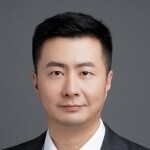 Lei Chen, PhD
The National Center for Liver Cancer
Shanghai, SH, China
Lei's research utilizes single-cell and spatial multi-omics technologies to investigate how liver cancer driver genes reprogram the tumor microenvironment. By employing integrated molecular and cellular approaches, he aims to decipher the critical crosstalk between malignant cells and microenvironmental components, identifying therapeutic targets. This work ultimately seeks to develop innovative intervention strategies that can potentiate current liver cancer therapies.
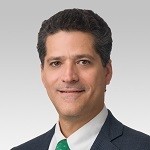 Andres Duarte-Rojo, MD, PhD
Northwestern University, Feinberg School of Medicine, Chicago, IL, USA
Andres Duarte-Rojo is a clinical investigator and the Director of Liver Transplantation and Living Liver Donation for the Comprehensive Transplant Center at Northwestern Medicine. Andres’ main clinical interests are complications of advanced chronic liver disease and liver transplantation.
He is NIH funded and a member of the T32 program at Northwestern University. His research focuses on disorders of physical fitness and exercise training in cirrhosis, clinimetrics (mainly non-invasive assessment of liver disease), and clinical outcomes in liver transplantation.
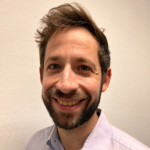 Jérémie Gautheron, PhD
Sorbonne Université, Inserm, Centre de Recherche Saint-Antoine (CRSA), Paris, France
Jérémie Gautheron is a researcher affiliated with both INSERM and Sorbonne University. As the head of a dynamic research team at the Saint-Antoine Research Center (CRSA) in Paris, he directs efforts toward deciphering the cellular and molecular mechanisms underlying the pathogenesis of liver fibrosis — from its initial drivers (i.e., inherited molecular defects or cell death) to its ultimate consequence (i.e., liver cancer). Dr. Gautheron possesses a unique and in-depth expertise in the NF-kappaB field, and his scientific pursuits extend into the intricate realms of cell death and inflammation.
His impactful contributions to the scientific community are notable, particularly in elucidating the role of RIP kinases and necroptosis in metabolic dysfunction-associated liver disease (MASLD). Dr. Gautheron leads a National Research Agency (ANR)-funded program that focuses on the rehabilitation of fatty liver grafts, with the ultimate goal of utilizing these grafts for transplantation. Additionally, he serves on the editorial board of Hepatology. In 2021, his groundbreaking work on the implication of necroptosis in MASLD and type-2 diabetes earned him the prestigious G. and J-L. Smadja Award from the Diabetes Francophone Society (SFD), highlighting the significant impact of his research on the understanding and treatment of metabolic disorders.
 Anna Hadjihambi, PhD
The Roger Williams Institute of Hepatology London, King's College, London, UK
Anna Hadjihambi obtained her BSc degree in Biochemistry from the University of Warwick in the UK and then completed her MSc degree in Neuroscience at UCL. Anna then received her PhD, funded by the prestigious Grand Challenges UCL, which was a collaboration between the departments of Liver and Digestive health and Neuroscience, Physiology and Pharmacology. Her thesis was entitled “The Neurochemistry of Hepatic Encephalopathy" and involved experimental studies conducted in animal (rat) models of hepatic encephalopathy, in vivo, ex vivo and in vitro, in combination with pharmacological approaches. In 2018 Anna started her postdoctoral fellowship at UNIL, Switzerland. During this time, she investigated the effects of diet-induced fatty liver disease on altering cerebral physiology, function, and metabolism, as well as the role of the monocarboxylate transporter-1 in protecting the liver from hepatic steatosis and the brain from any associated detrimental alterations.
Anna is currently a team lead at The Roger Williams Institute of Hepatology in London, where she initiated the Liver-Brain axis group. She has recently been awarded a UKRI Future Leaders Fellowship to continue her investigations on the cerebral alterations arising due to steatotic liver disease, the possible mechanisms behind them, as well as the long-term effects of these conditions on the brain following resolution of liver disease.
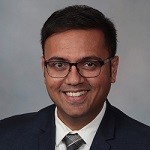 Shounak Majumder, MD
Associate Professor of Medicine, Division of Gastroenterology and Hepatology, Mayo Clinic, Rochester, MN, USA
Shounak Majumder, MD is an Associate Professor of Medicine and Consultant in the Division of Gastroenterology and Hepatology at Mayo Clinic, Rochester, MN. He serves as Chair of Innovation for the GI Division and Program Director for their Pancreas Fellowship Program. Shounak is a board-certified gastroenterologist and fellowship-trained in medical pancreatology. He is a clinical expert in the management of pancreatic diseases and a nationally and internationally recognized key opinion leader in the field of pancreatology. Shounak is a NIH-funded physician scientist and leads the Pancreatic Cancer Early Detection Research Program at Mayo Clinic. His research program focuses primarily on developing novel molecular approaches and digital tools for early detection of pancreatic cancer. Significant scientific contributions of his program include discovery and validation of methylated DNA biomarkers in pancreatic juice, cyst fluid and blood for detecting pancreatic cancer and advanced precancer. His ongoing research studies include estimating pancreatic cancer risk in patients with chronic pancreatitis, pancreatic cysts and pancreatic steatosis, prospective validation of biomarkers for early detection of pancreatic cancer in high-risk individuals and developing artificial intelligence-based applications for pancreatic cancer screening. Shounak has published extensively in the field of pancreatology including high-impact journals such as Lancet, JAMA Oncology and Gastroenterology. He also serves as a section Councillor for the Pancreatic Disorders section of the American Gastroenterology Association (AGA) Institute Council.
 Naoko Ohtani, MD, PhD
Graduate School of Medicine, Osaka Metropolitan University, Osaka, Japan
Naoko Ohtani is a Professor at the Department of Pathophysiology of the Osaka Metropolitan University. Her research centers on the roles of the cellular senescence and senescence-associated secretory phenotype (SASP) creating the cellular networking in the tumor microenvironment (TME), particularly focusing on the gut-liver axis-mediated liver tissue and liver TME.
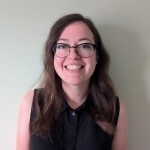 Katrina Pekarska, MBBS, MRCP
Leeds Teaching Hospitals NHS Trust
Leeds, UK
Katrina is a specialty trainee in Gastroenterology and Hepatology, currently pursuing an MD. She is deeply passionate about all aspects of hepatology, with a particular interest in steatotic liver disease and immune-mediated liver conditions. Her primary research focus centers on steatotic liver disease—including MASLD, MetALD, and ALD—with a strong emphasis on improving diagnostic approaches and understanding clinical outcomes.
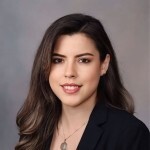 Ariana Pereira Garcia, MD
Research Fellow, Division of Gastroenterology and Hepatology, Division of Gastroenterology and Hepatology, Mayo Clinic, Rochester, MN, USA
Dr. Ariana is a physician and research fellow in the Division of Gastroenterology and Hepatology at Mayo Clinic. Her research centers on gastrointestinal motility and functional disorders, with a focus on uncovering underlying mechanisms and enhancing diagnostic and therapeutic strategies. With a background in internal medicine and gastroenterology, she is deeply committed to clinical research aimed at improving care for patients with complex digestive diseases.

Arvind J. Trindade, MD
Professor of Medicine, Rutgers University-New Brunswick, Robert Wood Johnson Medical School, New Jersey, USA
Dr Trindade is the VP of GI Clinical Operations, Chief of Endoscopy, and Director of the Barrett's esophagus program at Rutgers University-New Brunswick. He is an advanced endoscopist that specializes in Barrett’s esophagus endoscopy. His main research focus is in Barrett’s esophagus, the main risk factor to esophageal adenocarcinoma (EAC). Most recently he is conducting research in ways to improve screening for Barrett’s and early EAC. This includes novel ways to identify patients at risk, and research in non-endoscopic minimally invasive devices. He also performs research in novel techniques for ablation therapy in Barrett’s esophagus and advanced imaging in Barrett’s esophagus.
Advisory Editor
 Thomas Chan
Nature Communications
Shanghai, China
Thomas joined the Translational and Clinical Research team in Nature Communications in March 2025, primarily handling manuscripts on hepatology and metabolism. He obtained his PhD in Biomedical Sciences and carried out his postdoctoral training in The Chinese University of Hong Kong, where he focused on hepatic immune microenvironment in colorectal cancer liver metastasis, particularly in relation to amino acid and lipid metabolism. Previously, he investigated on epigenetics and aging.
Editorial Board Members
Paul N. Brennan, MD, University of Dundee, Dundee, UK
Alan Bonder, MD, Associate Professor of Medicine. Harvard Medical School, Boston, USA
Shilpa Chokshi, PhD, Roger Williams Institute of Hepatology & Kings College London, London, UK
Zobeida Cruz-Monserrate, PhD, The Ohio State University, Columbus, OH, USA
Parakkal Deepak, MD, Associate Professor of Medicine, Division of Gastroenterology, Washington University School of Medicine,St. Louis, Missouri, USA
Eric Felli, MSc, PhD, Bern University Hospital, University of Bern, Bern, Switzerland
Anabel Fernández-Iglesias, PhD, IDIBAPS-Hospital Clinic Barcelona, Barcelona, Spain
Fernando Gomollón, MD, PhD, Facultad de Medicina de Zaragoza & Hospital Clínico Universitario "Lozano Blesa", Zaragoza, Spain
Phil Hart, MD,The Ohio State University Wexner Medical Center,Columbus, OH, USA
Jing Han Hong, PhD, Duke-NUS Medical School, Singapore
Vandana Jain, MD, King's College Hospital, UK
Amrit K. Kamboj, MD, Cedars-Sinai Medical Center, Los Angeles, CA, USA
Tatyana Kushner, MD, MSCE, Icahn School of Medicine at Mount Sinai, New York, NY, USA
Marta Melis, PhD, Weill Cornell Medicine, New York, NY, USA
Nurulamin Noor, MD, PhD, University of Cambridge, Cambridge, UK
Marcin Schmidt, PhD, Poznań University of Life Science, Poznań, Poland
Kewin Siah, MBBS, FAM,Department of Medicine, Yong Loo Lin School of Medicine, National University of Singapore,Singapore
Kristen Smith-Edwards, PhD, Mayo Clinic, Rochester, MN, USA
Oliver D. Tavabie, MD, Leeds Teaching Hospital NHS Trust, Leeds, UK
Evangelos Triantafyllou, PhD, Imperial College London, London, UK
Interested in joining the journal team?
If you are interested in joining the journal as an Editorial Board Member or Associate Editor, please complete this form. Associate Editors are part of the editorial team that handle manuscripts, while Editorial Board Members are regular reviewers and are consulted for ad hoc advice. We will contact you if your expertise meets the needs of the journal.
Nature Portfolio journals are committed to promoting practices that support diversity, equity and inclusion in science communication and publishing, and we strongly encourage gender, race, ethnic, geographic, career stage and other diversity in our journal teams. Our in-house staff will use your information only for the purposes of identifying new editorial team or board members. Please contact the journal by email if you would like to remove your information from these records.
Please note that we are not able to respond to all applicants.
