
About the Editors
Editor-in-Chief
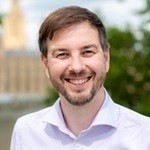 Tim Witney, PhD
Professor of Molecular Imaging
King's College London
London, UK
ORCID
Professor Witney's research focuses on the development of next-generation molecular imaging tools for cancer diagnosis, monitoring of therapeutic response, and detection of drug resistance. Specifically, his research group uses these tools to better-understand the role of antioxidant production and cellular metabolism in therapy-resistant tumours. Through these specific vulnerabilities, he is creating a new class of precision radionuclide therapies that target and treat drug-resistant cancer.
Associate Editors
 Andre Martins, PhD
University of Tübingen, Werner Siemens Imaging Center
Tübingen, Germany
André F. Martins studied Biochemistry at the University of Coimbra, Portugal, and earned a joint Ph.D. in Chemistry and Biochemistry from the University of Coimbra and the CNRS/University of Orléans, France. Later that year, he joined UT Dallas and UT Southwestern Medical Center, US, where he developed a deep interest in metabolism, MRI-responsive sensors and molecular imaging techniques. Prof. Martins, was awarded the prestigious Alexander von Humboldt Foundation’s Sofja Kovalevskaja Award in 2020, establishing his group as an independent research unit within the University Hospital Tübingen. In 2022, he was appointed as a W3 Professor at the Faculty of Medicine, and with this, the group was renamed the Advanced Preclinical Metabolic Imaging and Cell Engineering (AMICI) lab. His research bridges oncology, biomedical imaging, and fundamental sciences such as biophysics, biochemistry, and chemistry, advancing non-invasive imaging approaches for cancer research.
 Federica Pisaneschi, PhD
Center for Translational Cancer Research, The Brown Foundation Institute of Molecular Medicine for the Prevention of Human Diseases (IMM), University of Texas Health Science Center at Houston
Houston, TX, USA
Dr Pisaneschi is a radiochemist, radiopharmaceuticals developer and molecular imaginer. Her research is focused on the development of new radiopharmaceuticals for cancer treatment and the use of imaging to guide personalized therapy. She has contributed to the field with several peer reviewed publications, patents and presentations to national and international conferences. She is member in professional societies in the field and active especially in regard of educational activities. Her current focus is on PET imaging of neuroinflammation, multimodal metabolic imaging of prostate cancer, and targeted radiotherapy.
 John A Ronald, PhD
Department of Medical Biophysics, Robarts Research Institute, The University of Western Ontario
London, Ontario, Canada
Dr Ronald's research focuses on the development of molecular imaging technologies for early cancer detection and treatment monitoring. General areas of interest are building tools to monitor cell-based immunotherapies, gene-based cancer theranostics, and application of imaging to genome editing technologies.
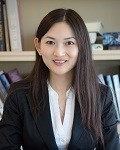 Lingyan Shi, PhD
University of California, San Diego
La Jolla, CA, USA
Prof Lingyan Shi's research interest focuses on developing super-resolution optical spectroscopy and multiplex chemical imaging platforms (such as A-POD, and PRM-SRS), and the applications for studying metabolic dynamics in aging and diseases. She discovered “Golden Window” for deep tissue imaging, and developed deuterium-probed metabolic imaging platform that combines deuterium-probing and stimulated Raman scattering (DO-SRS and STRIDE) for visualizing metabolic activities in situ.
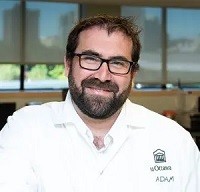 Adam Shuhendler, PhD
Department of Chemistry & Biomolecular Sciences, University of Ottawa
Ottawa, Ontario, Canada
Dr Shuhendler's research interest surrounds what molecular imaging can do to result in better diagnoses and therapy tailored to the individual patient. Across modalities, including MRI, PET, and OCT, my research group generates new imaging probes comprised of small molecules, nanoparticles, and polymers to bring new functionality to diagnostic imaging. With an eye on activity-based sensing, we are tackling the diagnosis of kidney disease, concussion, and cardiovascular disease, as well as the prognosis of cancer.
 Claire Walsh, PhD
University College London
London
I am an imaging scientist with a background in 3D multi-modal imaging and image analysis for biophysical modelling. In recent years I have focused on the development of a Synchrotron X-ray Phase-Contrast tomography technique know as HiP-CT, and its application to imaging human organs ex vivo. I direct the Human Organ Atlas Hub a consortium which provide open access datasets from HiP-CT as well as training opportunities and beamtime for application of HiP-CT. I have a particular interest in the imaging of human kidney and multi-modal brain imaging for human connectome applications.
 Weisong Zhao, PhD
Harbin Institute of Technology
Harbin, China
Professor and PI at Harbin Institute of Technology (HIT). His research focuses on advanced microscopy, machine learning, and bioimage analysis. His lab is building advanced optical microscopy for biomedical applications, as well as developing smart algorithms across modalities including optical microscopy, acoustic/photoacoustic imaging, and cryo-EM/ET.
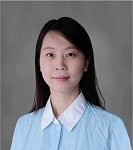 Iris Yuwen Zhou, PhD
Massachusetts General Hospital and Harvard Medical School
Boston, MA, USA
Dr Zhou's work focuses on developing novel MRI methodologies that quantify molecular, metabolic, functional, and structural alterations for stroke, fibrosis, and tumor imaging. Her research spans tissue characterization using molecularly targeted probes, chemical exchange saturation transfer (CEST), diffusion, functional MRI in animal models, and clinical translation. Her current research topics also include the integration of multi-parametric MRI data with information from other imaging modalities, such as positron emission tomography (PET), through leveraging advances in multi-modal imaging, chemistry, signal modeling, and image analysis.
Advisory Editors
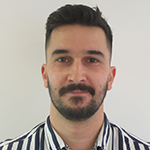 Nelio Rodrigues, PhD
Nelio joined the Biotechnology team at Nature Communications in July 2022. Following his undergraduate studies at the University of Coimbra and Utrecht University, he undertook his PhD research at University College London, focusing on tissue mechanics and cell shape changes in mitosis. He then continued his research at the Francis Crick Institute in London, where he investigated the molecular and biophysical principles that underlie cell polarity and asymmetric cell division. At Nature Communications, he handles manuscripts in the areas of cell biology, biotechnology, microscopy, and imaging technologies.
 Rita Strack, PhD
Rita Strack obtained her Ph.D. in Biochemistry and Molecular Biology from the University of Chicago. While there, she worked with Benjamin Glick and Robert Keenan to engineer improved variants of the red fluorescent protein DsRed, and also studied the chemical mechanism of chromophore formation in DsRed. She continued her research as a postdoctoral fellow in Samie Jaffrey's laboratory at Weill Cornell Medical College, where she developed fluorescent reporters for live-cell imaging of RNA such as Spinach2. She joined Nature Methods in 2014 and handles imaging, microscopy and probes, along with protein and RNA biochemistry content for the journal.
Editorial Board Members
Frauke Alves, MD, Translational Molecular Imaging, University Medical Center Göttingen and Max-Planck for Multidisciplinary Sciences, Göttingen, Germany
Steve J Archibald, PhD, King's College London, London, UK
Zaver M Bhujwalla, PhD, Russell H Morgan Department of Radiology, Johns Hopkins University School of Medicine, Baltimore, MD, USA
Kimberly Brewer, PhD, School of Biomedical Engineering, Dalhousie University, Halifax, NS, Canada
Kevin Brindle, PhD, University of Cambridge, Cambridge, UK
Leo M Carlin, PhD, Cancer Research UK Scotland Institute, Glasgow, UK
Ann-Marie Chacko, PhD, Duke-NUS Medical School, Singapore
Kevin C Chan, PhD, New York University Grossman School of Medicine, New York, NY, USA
Freddy E Escorcia, MD, PhD, National Cancer Institute, Bethesda, MD, USA
Ling Fu, PhD, School of Physics and Optoelectronic Engineering, Hainan University, Haikou, China
Gilbert O Fruhwirth, PhD, King's College London / Cancer and Pharmaceutical Sciences, London, UK
Fei Gao, PhD, University of Science and Technology of China, Hefei, Anhui, China
Jason P. Holland, DPhil, University of Zurich, Zurich, Switzerland
Oluwatayo F Ikotun, PhD, University of California, Los Angeles, Los Angeles, California, USA
Michelle L. James, PhD, Stanford University, California, USA
Fabian Kiessling, MD, Institute for Experimental Molecular Imaging, RWTH Aachen University, Aachen, Germany
Twan Lammers, PhD, DSc, RWTH Aachen University Clinic, Aachen, Germany
Mandy van Leent, PhD, Icahn School of Medicine at Mount Sinai, New York, NY, USA
David Yestin Lewis, MD, PhD, Cancer Research UK Beatson Institute and University of Glasgow, Glasgow, Scotland, UK
Aaron M Mohs, PhD, University of Nebraska Medical Center, Omaha, NE, USA
Bartlomiej W Papiez, PhD, Big Data Institute, University of Oxford, Oxford, UK
Vladimir Ponomarev, MD, PhD, Memorial Sloan Kettering Cancer Center, New York, NY, USA
Rajendra Prasad, PhD, Indian Institute of Technology (BHU), Varanasi, India
Peter J. H. Scott, PhD, University of Michigan, Ann Arbor MI, USA
Alexandros Marios Sofias, PhD, RWTH Aachen University Hospital, Aachen, NRW, Germany
Gaurav Sharma, PhD, UT Southwestern Medical Center, Dallas, TX
Noam Shemesh, PhD, Champalimaud Foundation, Lisbon, Portugal
Xiaoyu Shi, PhD, University of California, Irvine, Irvine, CA, USA
Jonathan D Thiessen, PhD, Lawson Health Research Institute, London, ON, Canada
Mei Tian, MD, PhD, Executive President, Human Phenome Institute, Fudan University, Shanghai, China
Raju Tomer, PhD, Department of Biological Sciences, Columbia University, New York, NY, USA
Syed Muhammad Usama, PhD, University of Texas at San Antonio, San Antonio, Texas, USA
Guang Yang, PhD, Imperial College London, London, UK
Giannis Zacharakis, PhD, FORTH - IESL, Heraklion, Crete, Greece
Kirstin A Zettlitz, PhD, Beckman Research Institute, City of Hope, Duarte, CA, USA
Jing Yuan, PhD, Huazhong University of Science and Technology, Wuhan, China
Interested in joining the journal team?
If you are interested in joining the journal as an Editorial Board Member or Associate Editor, please complete this form. Associate Editors are part of the editorial team that handle manuscripts, while Editorial Board Members are regular reviewers and are consulted for ad hoc advice. We will contact you if your expertise meets the needs of the journal.
Nature Portfolio journals are committed to promoting practices that support diversity, equity and inclusion in science communication and publishing, and we strongly encourage gender, race, ethnic, geographic, career stage and other diversity in our journal teams. Our in-house staff will use your information only for the purposes of identifying new editorial team or board members. Please contact the journal by email if you would like to remove your information from these records.
Please note that we are not able to respond to all applicants.
