
Effects of lifestyle behaviours on learning and neuroplasticity
- Submission status
- Open
- Submission deadline
 This Collection supports and amplifies research related to SDG 3 and SDG 4.
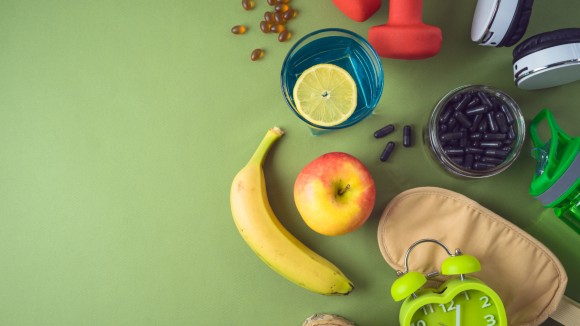
The interplay between neural plasticity and learning is a vibrant and continually evolving field of study. It provides the foundations for our understanding of learning and memory formation that hold profound implications for educational practices, cognitive rehabilitation, and lifelong learning. As we deepen our understanding of how changes in the brain's structure and function can influence learning outcomes, it is imperative to explore the multifaceted factors that contribute to neuroplasticity. In particular, everyday factors that we can control- such as diet, sleep, and exercise - play an important role in modulating neuroplasticity and, consequently, learning efficacy. Given the increasing emphasis on holistic approaches to education and cognitive enhancement, now is an opportune moment to curate a dedicated collection that brings together the latest research and perspectives on these interconnected themes.
This Collection invites scholars and practitioners to contribute their insights into how various lifestyle interventions can promote or hinder neuroplastic changes and learning. We are particularly interested in studies that investigate the effects of nutritional status on cognitive function, the role of sleep in memory consolidation and learning retention, and the impact of physical exercise on brain health and neuroplastic capacity. By drawing from diverse methodological approaches, including experimental studies, meta-analyses, and theoretical frameworks, this Collection aims to provide a comprehensive overview of how lifestyle factors can be strategically utilized to enhance learning outcomes and optimize neuroplasticity across different populations. Together, we hope to foster a deeper understanding of these critical relationships and to inspire future research directions that can translate these findings into practical applications.
Editors
-
Wei-Peng Teo, PhD, CSCS
Science of Learning in Education Centre (SoLEC) & Physical Education and Sport Science Department, National Institute of Education, Nanyang Technological University, Singapore
-
Alicia Goodwill, PhD
Physical Education and Sport Science Department, National Institute of Education, Nanyang Technological University, Singapore
-
Liye Zou, PhD
School of Psychology, Shenzhen University
The Collection will publish original research Articles, Reviews, Perspectives and Comments (full details on content types can be found here). Papers will be published in npj Science of Learning as soon as they are accepted and then collected together and promoted on the Collection homepage. All Guest Edited Collections are associated with a call for papers and are managed by one or more of our Editorial Board Members and the journal's Editors.
This Collection welcomes submissions from all authors – and not by invitation only – on the condition that the manuscripts fall within the scope of the Collection and of npj Science of Learning more generally. See our editorial process page for more details.
All submissions are subject to the same peer review process and editorial standards as regular npj Science of Learning articles, including the journal’s policy on competing interests. The Guest Editors have no competing interests with the submissions, which they handle through the peer-review process. The peer review of any submissions for which the Guest Editors have competing interests is handled by another Editorial Board Member who has no competing interests. See our Collections guidelines for more details.
This Collection is not supported by sponsorship.
