
Effects of lifestyle behaviours on learning and neuroplasticity
- Submission status
- Open
- Submission deadline
 This Collection supports and amplifies research related to SDG 3 and SDG 4.
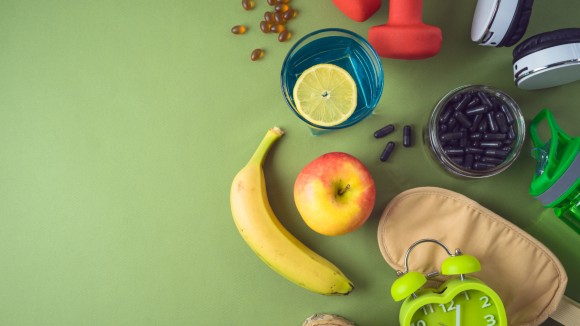
The interplay between neural plasticity and learning is a vibrant and continually evolving field of study. It provides the foundations for our understanding of learning and memory formation that hold profound implications for educational practices, cognitive rehabilitation, and lifelong learning. As we deepen our understanding of how changes in the brain's structure and function can influence learning outcomes, it is imperative to explore the multifaceted factors that contribute to neuroplasticity. In particular, everyday factors that we can control- such as diet, sleep, and exercise - play an important role in modulating neuroplasticity and, consequently, learning efficacy. Given the increasing emphasis on holistic approaches to education and cognitive enhancement, now is an opportune moment to curate a dedicated collection that brings together the latest research and perspectives on these interconnected themes.
This Collection invites scholars and practitioners to contribute their insights into how various lifestyle interventions can promote or hinder neuroplastic changes and learning. We are particularly interested in studies that investigate the effects of nutritional status on cognitive function, the role of sleep in memory consolidation and learning retention, and the impact of physical exercise on brain health and neuroplastic capacity. By drawing from diverse methodological approaches, including experimental studies, meta-analyses, and theoretical frameworks, this Collection aims to provide a comprehensive overview of how lifestyle factors can be strategically utilized to enhance learning outcomes and optimize neuroplasticity across different populations. Together, we hope to foster a deeper understanding of these critical relationships and to inspire future research directions that can translate these findings into practical applications.
Editors
-
Wei-Peng Teo, PhD, CSCS
Science of Learning in Education Centre (SoLEC) & Physical Education and Sport Science Department, National Institute of Education, Nanyang Technological University, Singapore
-
Alicia Goodwill, PhD
Physical Education and Sport Science Department, National Institute of Education, Nanyang Technological University, Singapore
-
Liye Zou, PhD
School of Psychology, Shenzhen University
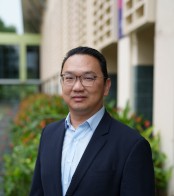 Wei-Peng Teo, PhD, CSCS, Science of Learning in Education Centre (SoLEC) & Physical Education and Sport Science Department, Nanyang Technological University, Singapore
Associate Professor Teo Wei Peng is a leading researcher in exercise neuroscience and motor behavior at the National Institute of Education (NIE), Nanyang Technological University (NTU), Singapore. He heads the Motor Behaviour Laboratory and serves as the Deputy Director at the Science of Learning in Education Centre (SoLEC), where he investigates the neural mechanisms underlying motor control, learning, and cognitive development across the lifespan.
Dr. Teo's research employs advanced neuroimaging and brain stimulation techniques, including electroencephalography (EEG), functional near-infrared spectroscopy (fNIRS), transcranial magnetic stimulation (TMS), and transcranial direct current stimulation (tDCS), to explore how physical activity and exercise influence brain function and behaviour. His work spans diverse populations, from young children to older adults and individuals with neurodegenerative conditions such as Parkinson’s disease and dementia.
 Alicia Goodwill, PhD, Physical Education and Sport Science Department, National Institute of Education, Nanyang Technological University, Singapore
Assistant Professor Alicia Marie Goodwill is a faculty member in the Physical Education and Sports Science (PESS) department at the National Institute of Education (NIE), Nanyang Technological University (NTU), Singapore. She holds a PhD in exercise neurophysiology from Deakin University, Australia, where she also completed her undergraduate studies in exercise and sports science with a major in psychology. Following her PhD, Dr. Goodwill served as a senior research officer at the Australian Catholic University and as an honorary research fellow at the Centre for Medical Research, Royal Melbourne Hospital, University of Melbourne. In 2018, she joined NTU, contributing to the Centre for Research and Development in Learning (CRADLE) and the Clinical Brain Laboratory.
Dr. Goodwill's research focuses on the intersection of exercise, nutrition, and brain health, utilizing neurophysiological techniques such as transcranial magnetic stimulation (TMS), transcranial direct-current stimulation (tDCS), and functional near-infrared spectroscopy (fNIRS) to study neuroplasticity and its impact on motor and cognitive performance. Her work aims to understand how modifiable lifestyle factors influence brain function and behavior, with applications in education and aging populations. She is also involved in developing brain literacy among educators to enhance teaching practices.
Liye Zou, PhD, School of Psychology, Shenzhen University, China
Dr. Liye Zou is a full professor and the Director for Body-Brain-Mind Laboratory in School of Psychology at Shenzhen University. He obtained both his master and doctoral degrees in the United States. His research interest has focused on exercise and brain health. In particular, he is strongly interested in identifying how exercise modalities can be used to improve cognitive function and effectively regulate emotion in both healthy and clinical populations across the lifespan. Meanwhile, his team has used the dual-process theoretical models in which affective (pleasure and displeasure) responses to exercise are investigated in both behavioral and biological perspectives. Such findings can be translated to behavior-change in physical activity and exercise. He has published nearly 160 peer-reviewed scientific articles (Top journals: Nature Human Behaviour, Trends in Cognitive Science, Trends In Molecular Medicine, Advanced Sciences, Educational Psychology Review, British Journal of Sports Medicine, Journal of Sport and Health Science) and currently serves as an editorial board member at the International Journal of Sport and Exercise Psychology, Mental Health and Physical Activity, Complementary Therapies in Medicine, International Journal of Clinical and Health Psychology, and the International Journal of Mental Health Promotion. Dr. Zou has been listed as the world’s top 2% scientist for Year 2022-2023 and Year 2023-2024 (Elsevier).
