Thank you for visiting nature.com. You are using a browser version with limited support for CSS. To obtain
the best experience, we recommend you use a more up to date browser (or turn off compatibility mode in
Internet Explorer). In the meantime, to ensure continued support, we are displaying the site without styles
and JavaScript.
Neurogastroenterology, the neurology of the gastrointestinal tract, liver, gallbladder and pancreas, encompasses the control of digestion and the gastrointestinal system through the integration of the enteric nervous system (ENS) and the central nervous system. In this article series, Nature Reviews Gastroenterology & Hepatology explores basic, translational and clinical topics in neurogastroenterology, from basic mechanisms and fundamental insights into the ENS to understanding and management of motility and functional gastrointestinal disorders.
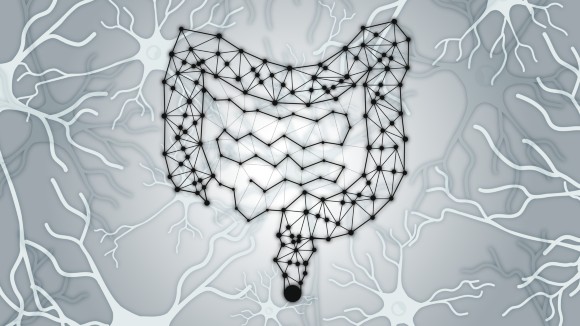
In this Review, Altier and colleagues describe the mechanisms of chronic abdominal pain in inflammatory bowel disease (IBD). In addition, they discuss implications for IBD treatment and identify directions for future research.
The liver is a key metabolic organ that influences metabolic homeostasis by communicating with the central nervous system. This Review discusses the role of gut–liver–brain communication in chronic liver disease, highlighting underlying mechanisms and signalling pathways.
This Review explores the different types of sensory nerves involved in gut–brain communication, detailing the locations of these nerve endings in the gut and their mechanisms of activation. Insights and new information regarding spinal and vagal afferents alongside viscerofugal neurons are detailed.
In this Review, Pasricha and Kulkarni describe the role of dopaminergic signalling pathways in the central nervous system and periphery, and their role in gastrointestinal health and disease. In addition, they discuss emerging evidence and future directions.
This Perspective highlights emerging evidence of an interaction between Clostridiodes difficile and the enteric nervous system (ENS) during infection, discussing underlying mechanisms and how the ENS and extrinsic innervation are affected by C. difficile infection and toxins and how ENS responses contribute to pathogenesis and disease outcomes.
Visceral pain is a major clinical issue, most commonly associated with gastrointestinal disorders. This Review discusses molecular mechanisms by which neurons are sensitized in the gut, outlining signalling mechanisms in visceral pain and the role of the gut–brain axis.
Type 2 taste receptors (Tas2rs in mice and TAS2Rs in humans) detect bitter stimuli and are present in both the oral cavity and extraoral sites. In this Review, the authors discuss Tas2rs/TAS2Rs in the gastrointestinal enteroendocrine system and how they could be potential targets to prevent or treat metabolic disorders.
There are limited available treatment options for the management of abdominal pain in irritable bowel syndrome (IBS). This Review provides an overview of the gastrointestinal endocannabinoid system and its potential as a therapeutic target for the treatment of pain in IBS.
The influence of nerves on cancer is beginning to be understood. This Review discusses emerging insights into the role of the nervous system in gastrointestinal cancer and of nerves as components of the tumour microenvironment, highlighting underlying mechanisms and its potential as a therapeutic target.
Mechanosensation — detecting mechanical forces and converting them into physiological responses — is important for normal gastrointestinal tract function. Mechanosensation abnormalities are frequently found in gastrointestinal diseases. This Review describes the physical properties of the gut relevant for mechanosensing, as well as the mechanosensory molecules, cells and circuits involved in gastrointestinal tract mechanosensation.
Defaecation is a coordinated process that requires a morphologically intact gastrointestinal tract and the integration of multiple physiological systems (neuromuscular, hormonal and cognitive). This Review describes the physiology of human defaecation and continence, providing insights into the pathophysiology of defaecation and evacuation disorders.
Enteric glia regulate homeostasis in the enteric nervous system and influence gastrointestinal function. This Review provides an update on enteric glial biology and the underlying mechanisms by which enteric glia regulate gastrointestinal function and disease, with a focus on neuronal and immune interactions.
Although the role of the enteric nervous system in congenital enteric neuropathic disorders is well acknowledged, its role in systemic diseases is less understood. Here, the authors focus on diseases in which the enteric nervous system has so far not been considered to have a major role and on its emerging role in neurodegeneration, cancer and diabetes.
Food addiction is an eating behaviour that reflects alterations in brain–gut–microbiome (BGM) interactions and a shift towards hedonic mechanisms. This Review summarizes the physiology of food addiction in obesity as it relates to BGM interactions and provides insights into treatment targets for food addiction aimed at each level of the BGM axis.
Gastrointestinal dysfunction (including dysphagia and constipation) can occur in Parkinson disease (PD), with evidence that they can arise prior to diagnosis of PD. This Review describes new insights into the mechanisms and pathophysiology of the gastrointestinal involvement of PD, including clinical manifestations.
The enteric nervous system (ENS) is essential for life and controls the function of the gastrointestinal tract. Here, an overview of sensory transduction and neural circuits in the ENS is provided, yielding insights into the generation of gastrointestinal motility.
In this Viewpoint, past attendees and organizers of the Little Brain Big Brain share their experience with this unique meeting and their insights into the field of enteric neuroscience and neurogastroenterology.
Key studies published in 2019 shed new light on how complex motor patterns emerge from the functional organization of circuits in the enteric nervous system and, in turn, how extrinsic afferent neurons and common commensal microorganisms interface with these circuits to modulate intestinal motility.