Collection |
Collections
Filters
-
Collection Type
-
Open for submissions
-
Collection |
Post-Traumatic Parkinsonism: Bridging Neurotrauma and Neurodegeneration

This Collection explores how traumatic brain injury initiates or accelerates Parkinsonian neurodegeneration, from molecular mechanisms to clinical outcomes.
Image: peterschreiber.media / iStock / Getty Images Plus/ Stock Photos | Brain DamageOpen for submissions -
Collection |
Heterogeneity of PD, from biology to clinical
This collection invites research on the heterogeneity of PD, with a focus on the clinical expression, underlying mechanisms, identification of non-clinical markers, and development of assistive tool to predict progression and treatment response and to stratify patients for clinical trials and other clinical research.
Image: © Peshkova / iStock / Getty Images Plus/ Stock Photos | AbstractOpen for submissions -
Collection |
Non-motor symptoms in PD and how those are modeled in animals
This collection aims to highlight research that investigates non-motor symptomatology and the underlying circuitry and pathology in models of PD.
Image: © unoL / iStock / Getty Images PlusOpen for submissions -
Collection |
Cognition - preclinical models, and preclinical unmet need
We particularly request etiological and biomarker-driven studies that clarify how neural systems support (or fail to support) cognitive abilities, including studies leveraging multimodal neuroimaging, genetics, or computational modeling.
Image: © Shinsei Motions / iStock / Getty Images Plus / Stock Photos | Artificial IntelligenceOpen for submissions -
Collection |
Proteomics to Transform Parkinson’s Disease: Mechanisms, Biomarkers, and Therapeutic Targets

Proteomics that elucidates PD mechanisms, provides reliable CSF and plasma biomarkers, and supports targeted therapies across the brain, cells, and overtime.
Image: © Olemedia/ E+/ Stock Photos | WisdomOpen for submissions -
Collection |
Sex Differences in Parkinson’s Disease: Towards Personalized Understanding and Treatment
Uncovering how sex differences shape Parkinson’s disease – from biology and risk to symptoms, progression, and therapy - to advance personalized patient care.
Image: © Medesulda / DigitalVision Vectors/ Stock Illustrations | Multiracial GroupOpen for submissions -
Collection |
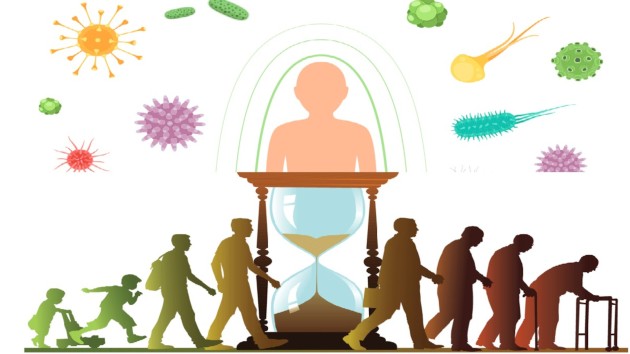
The neuroimmune-axis and ageing in Parkinson’s Disease

This Collection invites research on how age-related changes in the neuroimmune axis and its interactions contribute to Parkinson’s Disease (PD), with a focus on mechanisms underlying age-related inflammaging, immune cell dynamics and function, and their potential as therapeutic targets.
Image: © [M]EgudinKa/iStock / Getty Images Plus/VasjaKoman/DigitalVision VectorsOpen for submissions -
Collection |
Environmental risk factors for Parkinson’s disease
This Collection invites research on mechanisms of neurodegeneration, gene-environment interactions, and the influence on progression and disease heterogeneity from known or emerging environmental risks for Parkinson’s disease.
Image: © veratomankova/iStock/Getty Images Plus/GettyimagesOpen for submissions -
Collection |
Synchronizing Clocks: Exploring Circadian Rhythms, Sleep, and Parkinson's Disease
This Collection invites research on circadian rhythms and sleep disturbances, along with related biomarkers and innovative therapies, to advance the understanding and management of Parkinson’s disease.
Image: © [M] vetre / Stock.adobe.comOpen for submissions -
Collection |
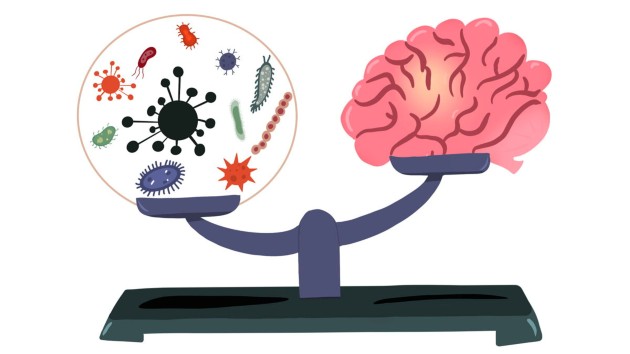
Parkinson’s Disease and the Microbiome
This collection invites research surrounding all aspects of the indigenous microbiome as it relates to Parkinson’s disease etiology, progression, and treatment.
Image: © [M] Béa / Stock.adobe.com -
Collection |
AI-assisted identification of novel multimodal imaging markers and underlying mechanisms in PD
This collection invites research papers on the application of AI in multimodal neuroimaging and related topics in Parkinson's disease and other related disorders.
Image: © [M] thien / Generated with AI / Stock.adobe.com
Clinical trials on disease modification: Trial design, endpoints and regulatory issues in Parkinson’s disease