
Reproductive aging
- Submission status
- Closed
- Submission deadline
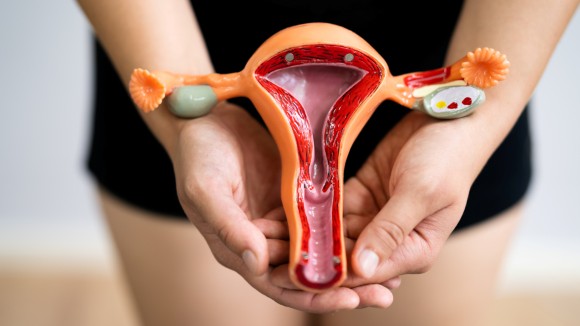
Reproductive aging directly impacts public health, family planning, and quality of life. Understanding the biological mechanisms of reproductive aging can lead to improved fertility treatments and interventions, offering hope to individuals facing age-related infertility. Reproductive aging research can also help mitigate risks associated with late pregnancies, enhance prenatal care, and address age-related reproductive health issues. Moreover, reproductive aging effects extend far beyond age-related fertility declines, as it is intricately associated with systemic health. As individuals age, changes in reproductive hormones can significantly impact various physiological systems. For instance, the decline in estrogen during menopause is associated with increased risks of cardiovascular disease, osteoporosis, and metabolic disorders. Similarly, age-related decreases in testosterone can affect muscle mass, bone density, and mental health in men. Delving into the mechanisms regulating aging in reproductive tissues and their relationship to overall organismal healthspan and longevity is essential for developing comprehensive healthcare strategies that address these broader health issues.
This collection invites research addressing the molecular bases of reproductive longevity, focusing on delaying reproductive decline and curtailing its negative health consequences. Topics of interest include the identification of molecular and cellular mechanisms that regulate aging in reproductive organs and their role in systemic aging.
Editors
-
Michael B. Stout, PhD
Oklahoma Medical Research Foundation, Oklahoma, United States
-
Jose V. V. Isola, PhD
Oklahoma Medical Research Foundation, Oklahoma, United States
Michael B. Stout, PhD, Oklahoma Medical Research Foundation, Oklahoma, United States
Dr. Michael B. Stout is currently appointed as an Associate Professor in the Aging and Metabolism Research Program at the Oklahoma Medical Research Foundation (OMRF). Dr. Stout earned his PhD in Nutrition and Metabolism from Ohio State University where his studies focused on dysregulated macronutrient homeostasis, adipose tissue biology, and lipid metabolism, with a specific emphasis on the manifestation of metabolic diseases. Following his doctoral studies, Dr. Stout pursued postdoctoral training in aging biology at Mayo Clinic. In 2016, Dr. Stout accepted a principle investigator position at the University of Oklahoma Health Sciences Center where he began studying sex differences in aging biology. In 2021, Dr. Stout moved his laboratory to OMRF where he continues to investigate the mechanisms underlying sex-specific aging, which a specific focus on gonadal aging, sex hormone effects, and chronic disease burden.
Jose V V Isola, PhD, Oklahoma Medical Research Foundation, Oklahoma, United States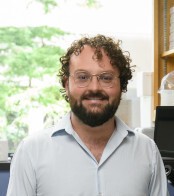
Dr. Jose V. V. Isola is a Research Assistant Professor at the Oklahoma Medical Research Foundation (OMRF) in Oklahoma City, OK. He completed his PhD in Animal Health at the Federal University of Pelotas, in Brazil, where his research focused on physiology of reproduction and reproductive aging. Following his doctoral studies, Dr. Isola joined as a postdoctoral scientist at OMRF, where he continued studying the hallmarks of ovarian aging and the associations between anti-aging interventions and fertility. His current research focuses on investigating the role of distinct ovarian somatic cell populations on ovarian aging. He is specially interested on accumulation of immune cells in the aging ovary and the contributions of ovarian microenvironment deterioration to age-associated decline in oocyte quantity and quality.
