Host-Pathogen Interactions – Infection, Immunity and Beyond
- Submission status
- Open
- Submission deadline
 This Collection supports and amplifies research related to SDG 3 - Good Health & Well being
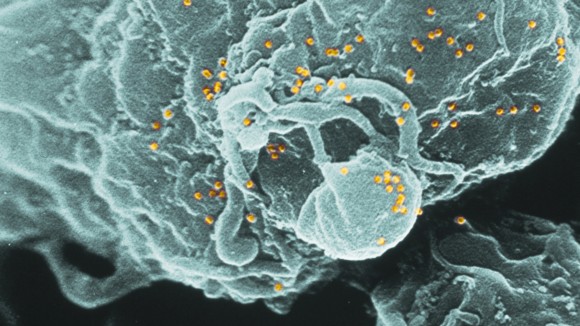
The term “host-pathogen interactions” refers to the dynamic interplay between the host organism (such as humans and/or animals) and the infective agent (such as parasites, fungi, viruses or bacteria). Hosts can employ various defence strategies against pathogens including immune responses or molecular defences to achieve clearance of the infection, tolerance or resistance. As a countering measure, pathogens have developed various ways to establish infection and to evade the host immune system or other defence strategies.
With this cross-journal Collection, the editors at Nature Immunology, Nature Communications, Communications Biology and Scientific Reports invite original research Articles investigating all aspects of the complex molecular interplay between pathogens and their human and/or animal hosts. Communications Biology will also consider Reviews, Perspectives and Comments on this topic.