
Next-Generation Strategies for Cardiovascular Regeneration: Technologies, Therapeutics, and Translational Models
- Submission status
- Open
- Submission deadline
 This Collection supports and amplifies research related to SDG 3: Good Health & Wellbeing.
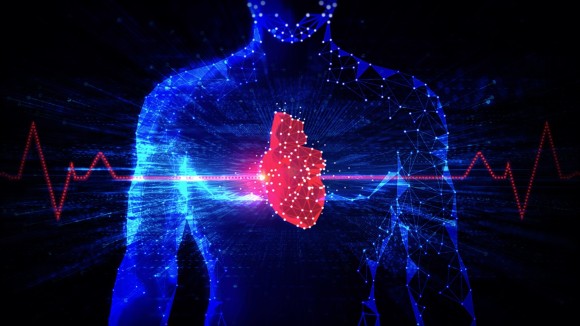
This journal collection focuses on advancements in cardiovascular tissue regeneration through bioengineering approaches, cell-base therapies, and other advanced technologies. Advancements in technologies and biomaterials to promote regeneration include organoid models, microphysiological systems, 3D bioprinting, tissue engineering, and engineered biomaterials that can be validated with preclinical models. Multi-omics and computational biology associated with disease pathologies can lead to fundamental insights with translational relevance. Therapies based on stem cells, small molecules, and other biologics that promote tissue regeneration are also of particular interest. The collection emphasizes the important role of intercellular interactions among cells/tissues and their surrounding extracellular matrix on disease pathology and tissue regeneration. These technologies, therapeutic strategies, and fundamental insights are applied to the treatment of cardiovascular diseases such as myocardial infarction, atherosclerosis, stroke, vascular dysfunction, and aortic aneurysm.
This Collection aims to integrate knowledge from fundamental biology, applied technologies, and preclinical models, offering new insights and potential therapeutic strategies to promote cardiovascular tissue regeneration.
Editors
-
Ngan F. Huang, PhD
Stanford University, USA
-
Sara Nunes Vasconcelos, PhD
University Health Network and University of Toronto, Canada
Ngan F. Huang, PhD, Stanford University, USA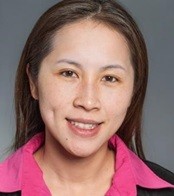
Ngan F. Huang is an Associate Professor in the Department of Cardiothoracic Surgery at Stanford University. Her laboratory investigates the interactions between stem cells and extracellular matrix microenvironment for engineering cardiovascular tissues to treat cardiovascular and musculoskeletal diseases. Recent research focuses on the role of microgravity for drug screening of engineered muscle tissue. Dr. Huang has authored over 100 publications and patents, including those in Nat Med, PNAS, and Circ Res.
Sara Nunes Vasconcelos, PhD, University Health Network and University of Toronto, Canada
Sara Nunes Vasconcelos is a Senior Scientist at the Toronto General Hospital Research Institute and an Associate Professor and the John Kitson McIvor Endowed Chair in Diabetes Research in the Institute of Biomedical Engineering at University of Toronto. Her translational research program aims to develop regenerative medicine strategies to treat cardiovascular diseases and diabetes and to use bioengineering approaches to study these diseases. Her lab has developed new vascularization techniques to support functional tissues for organ regeneration and is pioneering the work to create mature, long-lasting, functional blood vessels. Her work on human cardiac tissues-on-a-chip has opened a new avenue of research in stem cell-derived cardiomyocyte maturation and drug testing. Her laboratory’s ground-breaking research contributions have been recognized by several awards, including the Early Researcher Award (Ontario’s Ministry of Research, Innovation and Science), the Outstanding Young Investigator Award from the Microcirculatory Society, and the Young Innovators in Cellular and Molecular Bioengineering Award. She holds research funding from major agencies such as CIHR, NSERC, Breakthrough T1D, and NFRF and has published her work in leading journals such as Science Translational Medicine, Cell Stem Cell and Nature Methods. Her work continues to drive innovation at the intersection of stem cell biology, vascular engineering, and translational medicine.
