
Collection |
Collections
Filters
-
Collection Type
-
-
Collection |
 Key Advances in Nephrology
The Key Advances in Nephrology collection offers expert insight into the most important discoveries made each year, and is an essential resource for students, physicians and clinical researchers.
-
Collection |
 Nature Medicine Commission on dialysis policy in low- and middle-income countries
Chronic kidney disease represents a growing global health challenge and people progressing to kidney failure rely on dialysis – but access is limited in many low- and middle-income countries.
-
Collection |
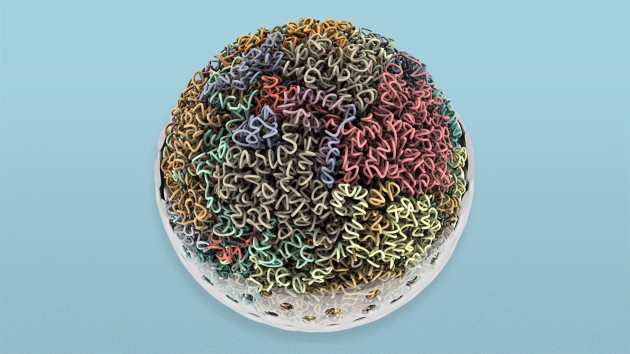 4D nucleome
The 4D Nucleome (4DN) program, funded by the National Institutes of Health Common Fund, was established in 2015 to map the three-dimensional organization of the nucleus in space and time (the 4th dimension).
Image: Frank Alber and Ye Wang -
Collection |
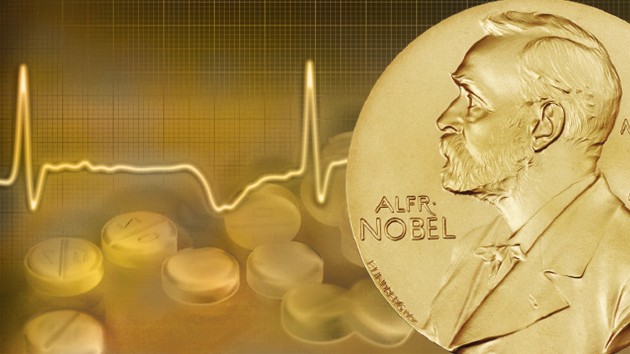 Nobel Prize in Physiology or Medicine 2025
The 2025 Nobel Prize in Physiology or Medicine has been awarded jointly to Mary E. Brunkow, Fred Ramsdell and Shimon Sakaguchi “for their discoveries concerning peripheral immune tolerance”.
Image: Springer Nature/The Nobel Foundation/Imagesource -
Collection |
 The Beijing Declaration: 30 years of progress
Journals from the Nature Portfolio wish to celebrate the achievements that have been made since the Beijing declaration for women's rights, emphasize areas where progress is needed and bring to the fore ideas offering a path forward.
Image: © [M] discan/Digital VisionVectors/Gettyimages -
Collection |
 Cancer Metabolism 2.0
The field of cancer metabolism research is entering its 2nd century since the first description of the changes in metabolism of cancer cells by Otto Warburg and his colleague Seigo Minami in 1923.
Image: Lara Crow/Springer Nature Limited -
Collection |
 Pride in nephrology
This Collection aims to highlight the challenges faced by LGBTQ+ colleagues and nephrology patients, and the need to address health inequities.
Image: Lara Crow -
Collection |
 AI in health care
The use of artificial intelligence (AI), including machine learning and large language models, is revolutionizing health care, from drug discovery and development, through to applications in the risk stratification, diagnosis, imaging, monitoring, prognostication, and pharmacological and surgical treatment of patients.
Image: V. Summersby/Springer Nature Limited -
Collection |
 Extracellular vesicles
Selected, recent articles from across the Nature Portfolio that document the recent progress in understanding the biology of EV-mediated cell–cell communication and advances in clinical translation of EVs.
Image: Vicky Summersby -
Collection |
 Women’s health
Research into women’s health has suffered from historical neglect and lack of funding.
Image: Lara Crow/Springer Nature Limited -
Collection |
 Overcoming challenges in rare genetic diseases
Rare genetic diseases affect more than 300 million people worldwide, so collectively are a major health burden.
Image: Artvile/Getty images
 World Kidney Day
