
Natural bioactives, Gut microbiome, and human metabolism
- Submission status
- Open
- Submission deadline
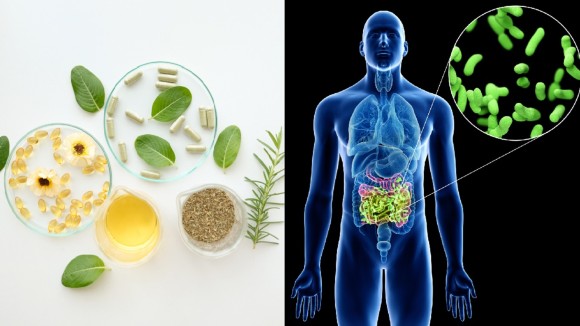
The complex and dynamic interplay between natural bioactive compounds, the gut microbiome, and human metabolism represents an emerging frontier in biomedical and nutritional sciences. This special issue is dedicated to exploring how nature-derived bioactives—such as polyphenols, flavonoids, alkaloids, terpenes, and other phytochemicals—interact with the gut microbiota and influence host metabolic processes. These interactions hold profound implications for health promotion, disease prevention, and therapeutic development.
Natural bioactives are known for their anti-inflammatory, antioxidant, and metabolic regulatory properties. However, their physiological impact is significantly modulated by the gut microbiota, which transforms these compounds into bioactive metabolites with distinct biological effects. In turn, bioactives can alter the composition and function of the gut microbial community, promoting the growth of beneficial microbes and suppressing pathogenic ones.
This special issue particularly emphasizes in vivo studies—both in animal models and human subjects—that elucidate the real-world physiological relevance of these interactions. In vivo approaches are essential for validating in vitro findings and capturing the complex biological contexts that drive metabolic outcomes. They also provide critical insights into pharmacokinetics, bioavailability, host-microbe cross-talk, and systemic effects that cannot be fully modeled ex vivo.
We invite original research, comprehensive reviews, and perspectives focusing on, but not limited to, the following topics:
- Mechanistic in vivo studies on how natural bioactives modulate gut microbial composition and metabolic function;
- Animal model research elucidating the role of microbiota-mediated metabolism of bioactives in conditions such as obesity, insulin resistance, metabolic syndrome, and non-alcoholic fatty liver disease (NAFLD);
- Clinical trials and human cohort studies examining the metabolic and microbial impacts of diets or supplements rich in natural bioactives;
- The identification and characterization of bioactive microbial metabolites and their systemic roles in metabolic regulation;
- Investigations into host-microbiome-diet interactions and how genetic and environmental factors influence individual responses to bioactives;
- Development of targeted delivery systems to optimize the gut bioavailability and microbial engagement of natural compounds;
- Integration of omics technologies—including metagenomics, metabolomics, and transcriptomics—to uncover biomarkers and pathways linking bioactives, microbiota, and metabolism.
By integrating in vivo findings with molecular, microbial, and metabolic data, this special issue aims to advance our understanding of the gut microbiome as a central mediator of bioactive efficacy. It also seeks to translate this knowledge into evidence-based strategies for personalized nutrition, preventive health care, and therapeutic innovation.
This issue is especially relevant for researchers in nutrition science, microbiology, pharmacology, functional foods, and systems biology. We welcome submissions from both established and early-career scientists working to uncover the therapeutic potential of natural bioactives in modulating the gut-microbiome-metabolism axis.
Together, the contributions to this issue will serve as a valuable reference for guiding future research and development in microbiome-targeted dietary and metabolic interventions.
Editors
-
Elad Tako, PhD
Department of Food Science, Cornell University, Ithaca, NY 14853, United States
-
Frederico Barros, PhD
Department of Food Science and Technology, Universidade Federal de Viçosa, Brazil


